Why Horsh Ehden Nature Reserve stands out
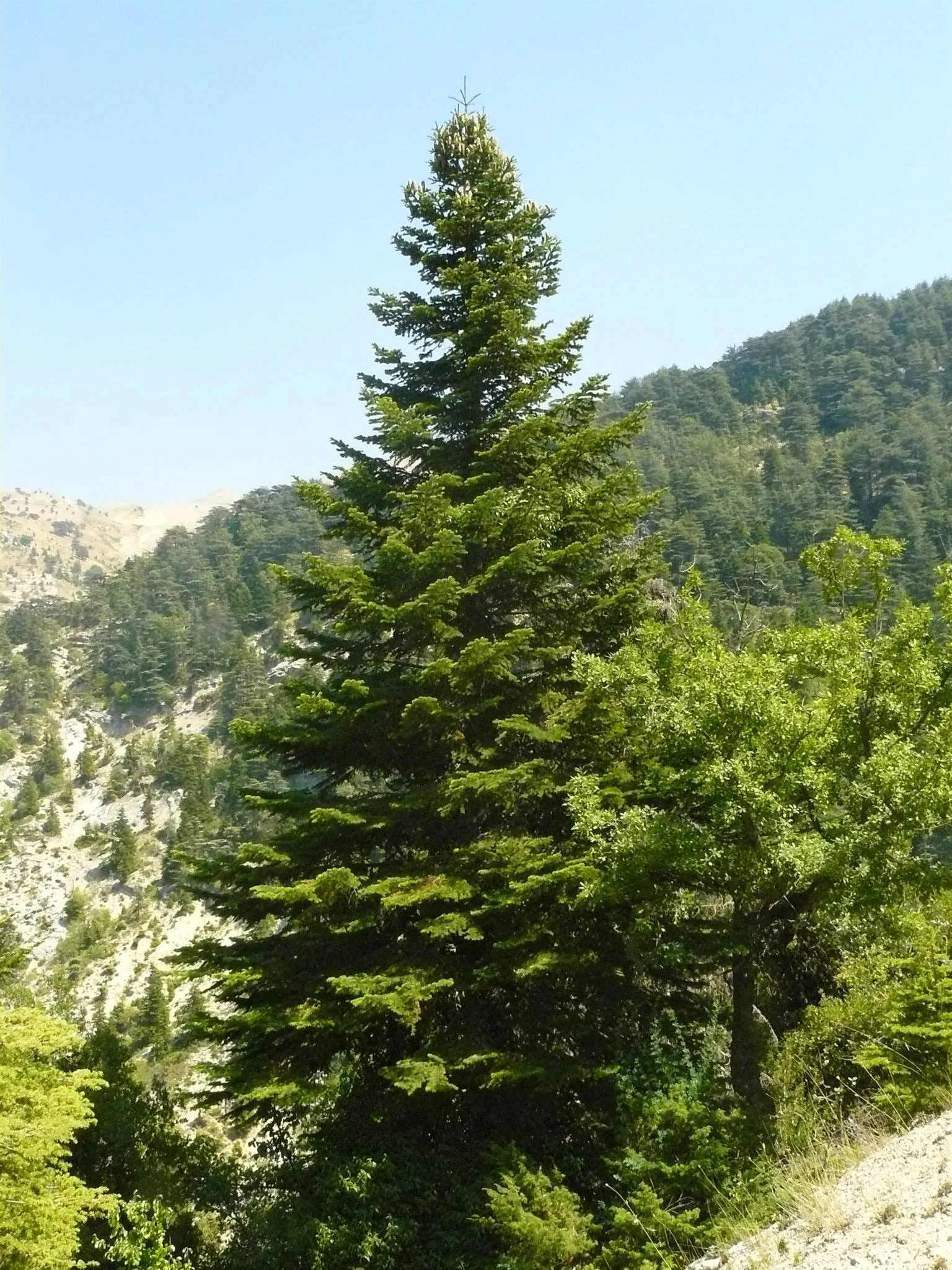
Horsh Ehden is best known for its ancient cedar of Lebanon forests, which form the ecological and symbolic heart of the reserve. The protected area contains the country's last remaining community of Lebanese wild apple trees, a species found nowhere else in the world under protection. The reserve serves as a critical refuge for endangered raptors including eastern imperial eagles and Bonelli's eagles, while also supporting populations of gray wolves, wildcats, striped hyenas, and other carnivores. With over 1,058 plant species documented, including 115 endemic to Lebanon and ten found only in this reserve, Horsh Ehden represents one of the most botanically significant protected areas in the Eastern Mediterranean. The site also marks the southernmost limit of Cilician fir distribution in the region.
Horsh Ehden Nature Reserve history and protected-area timeline
Horsh Ehden Nature Reserve was officially established on March 9, 1992, making it one of Lebanon's newer protected areas designed specifically for wilderness preservation. The reserve was created through collaboration between the Horsh Ehden Nature Reserve Committee and the Lebanese Ministry of Environment, establishing a governance structure that continues to oversee protection and management activities. The establishment of the reserve reflected growing recognition during the late twentieth century of the need to protect remaining old-growth cedar forests in Lebanon, where centuries of exploitation had dramatically reduced the country's cedar coverage. Prior to formal protection, the forests of the Ehden region had experienced various levels of human use and management, and the designation as a nature reserve provided legal framework for more rigorous conservation. The decision to pursue IUCN category Ib wilderness area status reflected the desire to maintain the area's relatively natural state with minimal infrastructure, allowing ecological processes to continue with minimal human intervention. Since its establishment, the reserve has served as a focal point for botanical research, with systematic documentation of flora beginning in earnest following the protected status, leading to the discovery of new species and significant records of endemic plants.
Horsh Ehden Nature Reserve landscape and geographic character
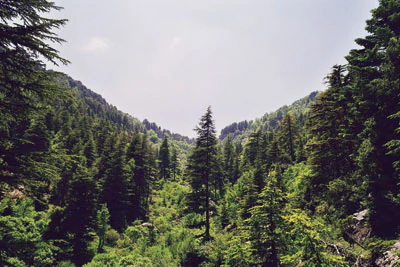
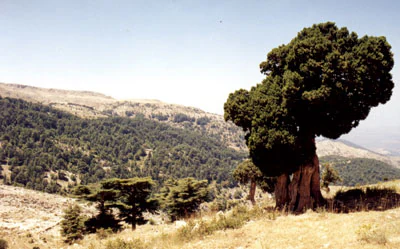
The landscape of Horsh Ehden Nature Reserve is defined by its position on the northwestern slopes of Mount Lebanon, where elevation changes create diverse microenvironments within a relatively compact area. The terrain features numerous valleys and gorges that dissect the mountainous slopes, providing habitat variation from steep rocky outcrops to more sheltered forest valleys. The forest canopy is dominated by Lebanon cedar, with these ancient trees growing in pure stands in some areas and mixed with other conifers in others. The reserve's position in the Mount Lebanon range places it at the interface between Mediterranean and more temperate climate influences, with the high precipitation supporting denser vegetation than typical for the region. Rocky substrates dominate the steeper sections, while deeper soils in valleys and lower slopes support more developed forest communities. The presence of the Lebanese wild apple trees in the understory represents a particularly distinctive landscape feature, as these are the last remaining protected specimens of this species in the country.
Horsh Ehden Nature Reserve ecosystems, habitats, and plant life
The ecological character of Horsh Ehden is defined by a remarkable assembly of coniferous, deciduous, and evergreen broadleaf plant communities that exist in an isolated climatic zone with varied topography. The forest ecosystem represents the southernmost extension of several species' ranges, most notably the Cilician fir, which reaches its southern limit within the reserve. The cedar of Lebanon forms the dominant canopy species, representing about 20 percent of the remaining cedar forests in the entire country. The understory supports the critically important Lebanese wild apple community, which is unique to this protected area and exists nowhere else in Lebanon under formal protection. Greek juniper and Kotschy oak add further diversity to the forest structure. The reserve's botanical significance is amplified by the presence of 1,020 native plant species, including 115 species endemic to Lebanon and ten endemic specifically to Horsh Ehden itself. The diversity of habitats within the reserve supports 78 recognized medicinal plant species, while 212 species are considered rare and 126 are threatened, making the site a repository of significant conservation value.
Horsh Ehden Nature Reserve wildlife and species highlights
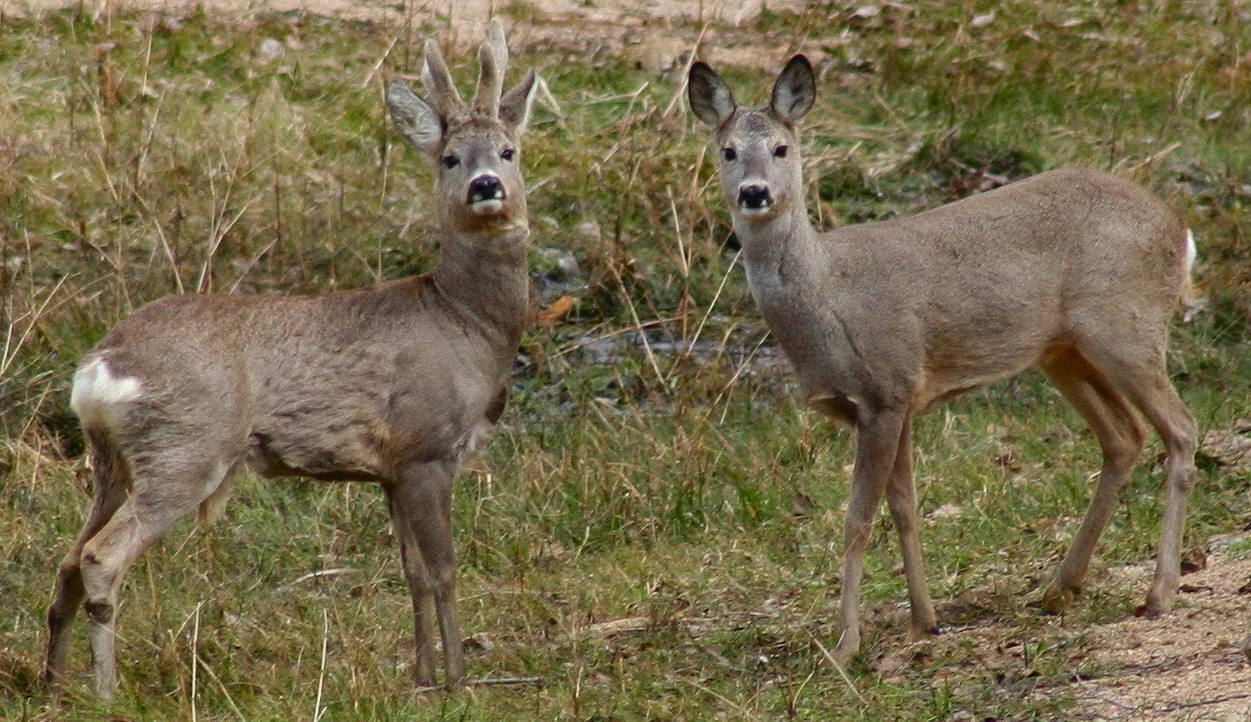
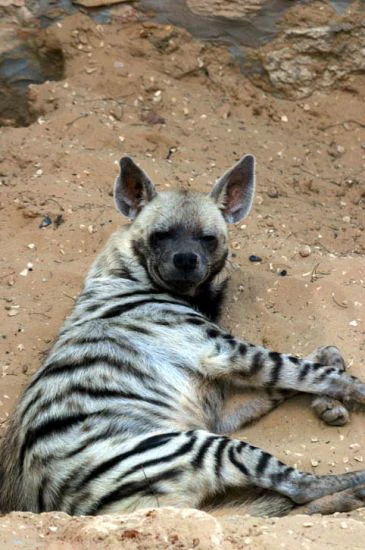
The wildlife communities of Horsh Ehden reflect the site's position at a biogeographic crossroads between European, Asian, and African faunal influences. Over 27 mammal species have been documented within the reserve, representing approximately one-third of all mammal species found in Lebanon. The carnivore community includes gray wolves, wildcats, golden jackals, red foxes, striped hyenas, and marbled polecats, with the gray wolf classified as locally threatened and highly endangered in Lebanon. The reserve provides critical habitat for birds of prey, with eastern imperial eagles and Bonelli's eagles among the most significant raptorial species present, both listed as globally threatened. The avian community includes over 57 species considered rare in Lebanon, along with four globally threatened bird species and five regionally vulnerable species. Reptile diversity is particularly notable, with 19 species documented including the Lebanon viper, Palestinian viper, and the globally threatened Mediterranean chameleon. Four amphibian species have also been recorded, with salamanders particularly associated with the valley streams and moist gorge habitats.
Horsh Ehden Nature Reserve conservation status and protection priorities
Horsh Ehden Nature Reserve represents a critical conservation stronghold for Lebanon's natural heritage, protecting the cedar of Lebanon species that serves as both an ecological and cultural symbol of the nation. The reserve's IUCN category Ib wilderness designation ensures that large-scale development is precluded and ecological processes are allowed to continue with minimal human interference. The protection of the Lebanese wild apple community within the reserve is particularly significant, as this represents the only protected population of this species in the country, safeguarding genetic material that could prove valuable for future reforestation and conservation efforts. The reserve's plant communities, including the cedar, Cilician fir, and Greek juniper, serve as genetic reservoirs for potential reforestation projects throughout Mount Lebanon at higher altitudes. The high concentration of endemic and threatened species, combined with the presence of globally threatened wildlife including imperial eagles and Mediterranean chameleons, establishes the reserve as a priority site for regional biodiversity conservation.
Horsh Ehden Nature Reserve cultural meaning and human context
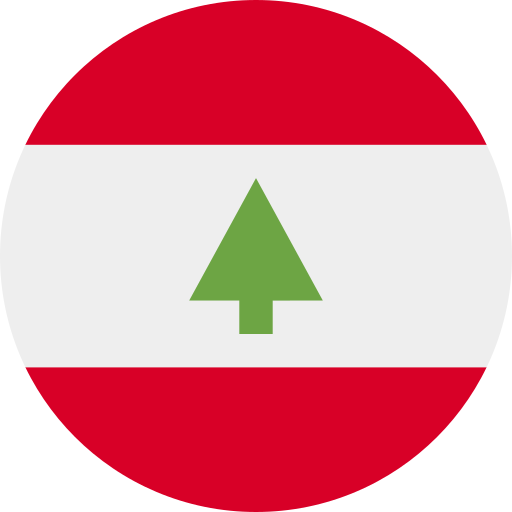
The cultural significance of Horsh Ehden extends deeply into Lebanese identity, as the cedar of Lebanon has been a symbol of the country for millennia, appearing on the national flag and featuring prominently in ancient texts, religious traditions, and historical narratives. The reserve's location in the Ehden region places it within a landscape that has been inhabited and shaped by human communities for generations, with the village of Ehden serving as the nearest population center. The reserve's establishment in 1992 represented a modern expression of the longstanding relationship between Lebanese communities and their mountain forests, moving from historical resource extraction toward active conservation. The naming of numerous plant species after Lebanon, including species found only in this reserve such as Astragalus ehdenensis, reflects both the scientific importance and the regional identity embodied in the protected area.
Top sights and standout views in Horsh Ehden Nature Reserve
Horsh Ehden Nature Reserve offers exceptional ecological diversity within a relatively compact mountain wilderness, with its ancient cedar forests representing the ecological heart of Lebanese natural heritage. The reserve protects the country's last remaining population of Lebanese wild apple trees, a species found nowhere else in the world under protection. Birdwatchers may encounter eastern imperial eagles and Bonelli's eagles, both globally threatened raptors that nest in the reserve's tall trees. The botanical richness is extraordinary, with over 1,058 plant species including 115 endemic to Lebanon and ten found only in this reserve. The reserve also marks the southernmost limit of Cilician fir distribution, representing a biogeographically significant range boundary. Mammal enthusiasts may spot gray wolves, striped hyenas, wildcats, and other carnivores that maintain viable populations within the protected area.
Best time to visit Horsh Ehden Nature Reserve
The best time to visit Horsh Ehden Nature Reserve depends on the type of experience sought, with each season offering distinct advantages. Spring and early summer bring the reserve to life with wildflower displays throughout the forest understory, including numerous orchid species that bloom in the valleys and gorges. The moderate temperatures during these months make hiking comfortable and allow visitors to explore the trail network that traverses the reserve's varied terrain. Autumn offers another appealing season, with the changing colors of deciduous trees adding visual interest to the landscape while temperatures remain pleasant for outdoor activities. Winter snow may blanket the higher elevations, creating a different character but potentially limiting access to some areas. The high precipitation that characterizes the Mount Lebanon slopes means that visitors should be prepared for rain regardless of season, particularly in the cooler months.