Why Jebil National Park stands out
Jebil National Park is best known for its exceptional Saharan desert ecosystem and its role as a crucial refuge for endangered desert wildlife. The park protects significant populations of dorcas gazelle and rhim gazelle, both of which face mounting pressure across their ranges. It is globally recognized as an Important Bird Area, being the only site in Tunisia where the desert sparrow has been recorded and one of just two locations for the thick-billed lark. The park also supports a breeding population of the vulnerable houbara bustard, which nests exclusively within the enclosed areas of the reserve. The presence of addax antelopes in a dedicated 77-square-kilometer breeding enclosure demonstrates the park's active role in species recovery programs for this critically endangered Saharan antelope.
Jebil National Park history and protected-area timeline
Jebil National Park was formally established in 1994, though the area had been unofficially protected since 1984, reflecting Tunisia's commitment to preserving its Saharan natural heritage. The park's creation filled a significant gap in Tunisia's protected area network, as it became the country's sole national park within the Sahara desert proper for a period. At its establishment, Jebil spanned approximately 150,000 hectares, securing its position as Tunisia's second-largest national park. The designation came during a period of growing environmental awareness in Tunisia and reflected the nation's recognition of the ecological and cultural value of its desert ecosystems. The park's management includes research activities focused on the numerous prehistoric artifacts found throughout the area, which document human occupation from the Holocene period through the twentieth century, providing valuable insights into the region's long history of human presence in this challenging environment.
Jebil National Park landscape and geographic character
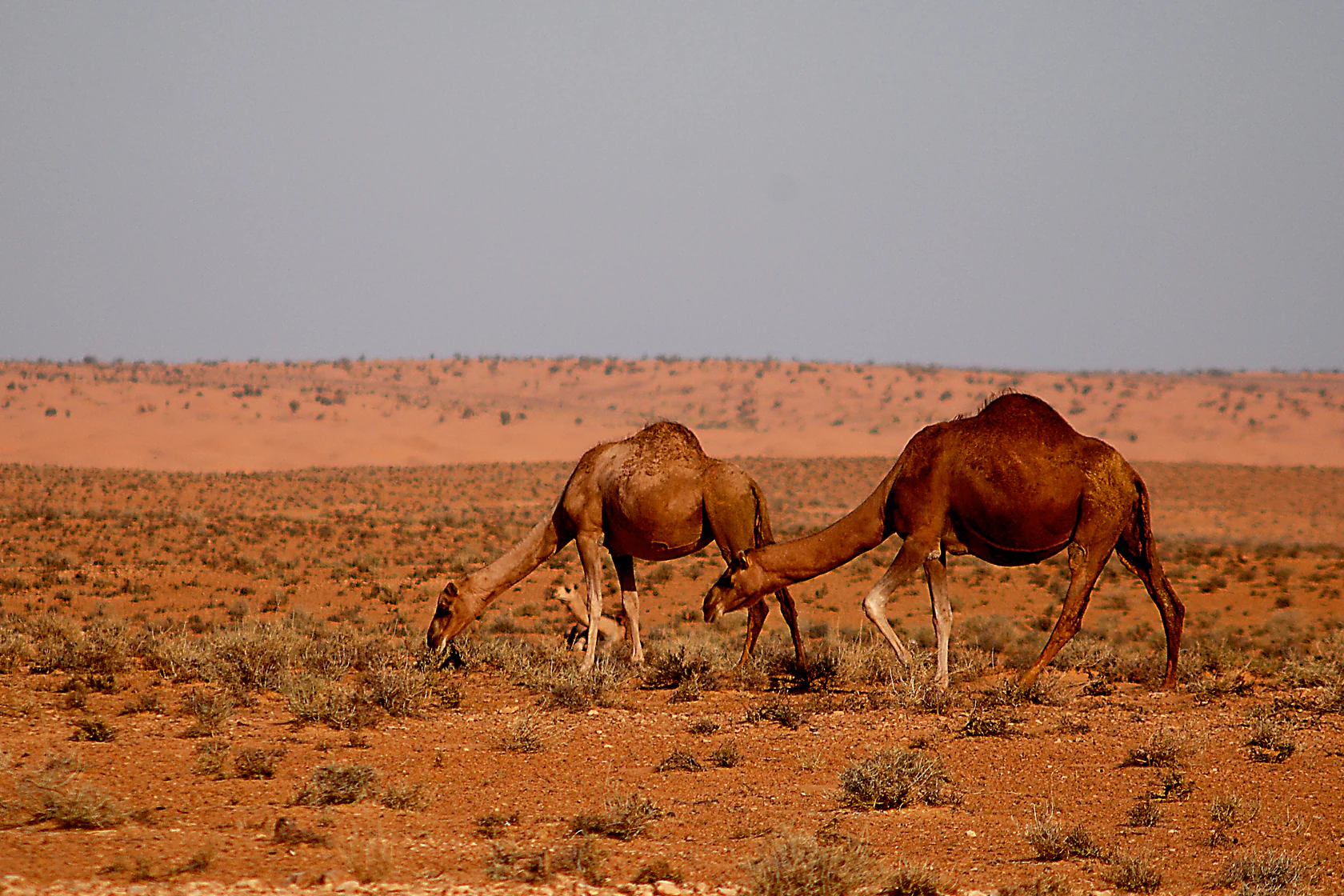
The landscape of Jebil National Park exemplifies the classic Saharan environment of the Grand Erg Oriental, characterized by vast expanses of sand dunes interspersed with rocky terrain and scattered vegetation. The erg, meaning sand sea in French, forms one of the most extensive dune systems in the Sahara, and the park protects a representative portion of this remarkable desert wilderness. The terrain varies from tall dunes to flatter interdune areas where vegetation can take hold, creating a mosaic of habitats across the 1,500-square-kilometer protected area. In the western reaches of the park, dramatic outcrops of gigantic boulders rise from the desert floor, their formation attributed to the weathering of ancient plutonic rocks that once formed part of deeper geological formations. This combination of sweeping sand seas and dramatic rock formations creates a visually striking landscape that defines the character of Tunisia's Saharan protected areas.
Jebil National Park ecosystems, habitats, and plant life
The nature of Jebil National Park centers on a fragile yet remarkable desert ecosystem adapted to extreme aridity and temperature fluctuations. Vegetation communities are scattered and opportunistic, clustering around moisture-retaining soils and in the shelter of dunes where conditions allow sustained growth. The park supports several plant species of ecological importance, including Retama raetam, a resilient shrub that forms an integral part of the desert food web, providing browse for gazelles and shelter for smaller fauna. The Calligonum family plants, particularly Calligonum arich and Calligonum azel, produce distinctive flowering displays that punctuate the typically monochrome desert landscape. Additional species including Arthrophytum schmittianum, Aristida pungens, and Rhanterium suavolens contribute to the park's botanical diversity. These plant communities exist in delicate balance with the harsh environment, making them particularly vulnerable to disturbance and highlight the importance of protected area status.
Jebil National Park wildlife and species highlights
Jebil National Park supports a noteworthy assemblage of Saharan wildlife despite the challenging desert environment. The mammal community includes several species of gazelles, with dorcas gazelle and rhim gazelle both still present within the park boundaries, though populations face ongoing pressure from habitat degradation and hunting. The park provides habitat for the fennec fox, a distinctive small carnivore perfectly adapted to desert life with its large ears and nocturnal habits, as well as jackals and the endemic barbary sheep. Reptile populations include horned vipers and cobras, which shelter beneath rocks and in sandy depressions throughout the park. A significant conservation initiative involves a population of addax antelopes maintained within a 77-square-kilometer enclosed area, supporting breeding and reintroduction efforts for this critically endangered Saharan species. The bird fauna is particularly notable, with the park recognized as an Important Bird Area hosting species including the desert sparrow, thick-billed lark, and a nesting population of vulnerable houbara bustards.
Jebil National Park conservation status and protection priorities
Jebil National Park holds significant conservation importance as Tunisia's primary Saharan protected area and a critical refuge for desert biodiversity. The park's designation as an Important Bird Area underscores its international significance for bird conservation, particularly for species with very restricted distributions in Tunisia such as the desert sparrow and thick-billed lark. The presence of nesting houbara bustards represents a particularly notable conservation achievement, as this species is classified as vulnerable globally and occurs very rarely in Tunisia. The addax antelope breeding program demonstrates the park's active contribution to conservation, maintaining a captive population with the goal of eventual reintroduction to the wild. However, the park faces ongoing threats primarily from poaching targeting gazelles, sandgrouse, and the valuable houbara bustard, activities that continue to pressure wildlife populations throughout the Saharan region.
Jebil National Park cultural meaning and human context
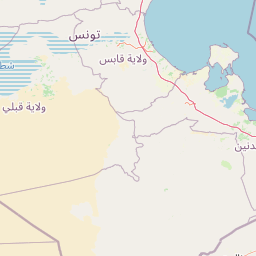
While Jebil National Park is primarily valued for its natural heritage, the area contains meaningful archaeological evidence of human occupation spanning from the Holocene period through World War II. These prehistoric artifacts provide insights into the different stages of human history in this challenging Saharan environment, documenting how human communities adapted to and utilized desert landscapes over millennia. The park's research function includes the study of these artifacts, making it a site where natural and cultural heritage intersect. The park's location approximately 80 kilometers south of Douz, a traditional gateway town for Saharan tourism, places it within a region where desert culture remains integral to local identity and economy.
Top sights and standout views in Jebil National Park
Jebil National Park stands out as Tunisia's premier Saharan wilderness area, offering visitors access to pristine dune landscapes within the Grand Erg Oriental. The park's wildlife viewing opportunities include encounters with fennec foxes, multiple gazelle species, and birdlife such as the elusive desert sparrow and the striking houbara bustard. The western section's dramatic boulder formations provide distinctive geological interest and photographic opportunities rare in typical desert environments. The park's role in addax conservation represents a tangible contribution to saving one of Africa's most endangered mammals. For those interested in prehistoric heritage, the archaeological artifacts scattered throughout the park offer a window into millennia of human presence in this extreme environment.
Best time to visit Jebil National Park
Visiting Jebil National Park is best planned during the cooler months from October through April, when daytime temperatures are more moderate and comfortable for desert exploration. Summer months bring extreme heat that can make outdoor activities challenging and potentially dangerous. The winter season, particularly December through February, offers pleasant daytime temperatures ideal for wildlife observation and landscape photography, though nights can be cold. Visitors should note that the park's remote desert location means that self-sufficiency with water and supplies is essential, and travel during the cooler months provides the most comfortable overall experience for appreciating this Saharan wilderness area.