
Why Khadim Nagar National Park stands out
Khadim Nagar National Park is best known for its regenerated evergreen forest ecosystem on rolling hill terrain, representing one of Bangladesh's significant protected areas in the country's northeastern tea-growing region. The park contains approximately 352 plant species across 81 families, including valuable timber species such as teak and agarwood, as well as a notable orchid population featuring species like Aerides multiflora, Aerides odorata, and Dendrobium formosum. The mammal community is dominated by barking deer, with other species including jackals, mongoose, monitor lizards, and jungle cats. The park's identity is closely tied to its landscape of planted forests on former tea plantation land, creating a distinctive hill-forest character unique within Bangladesh's protected area network.
Khadim Nagar National Park history and protected-area timeline
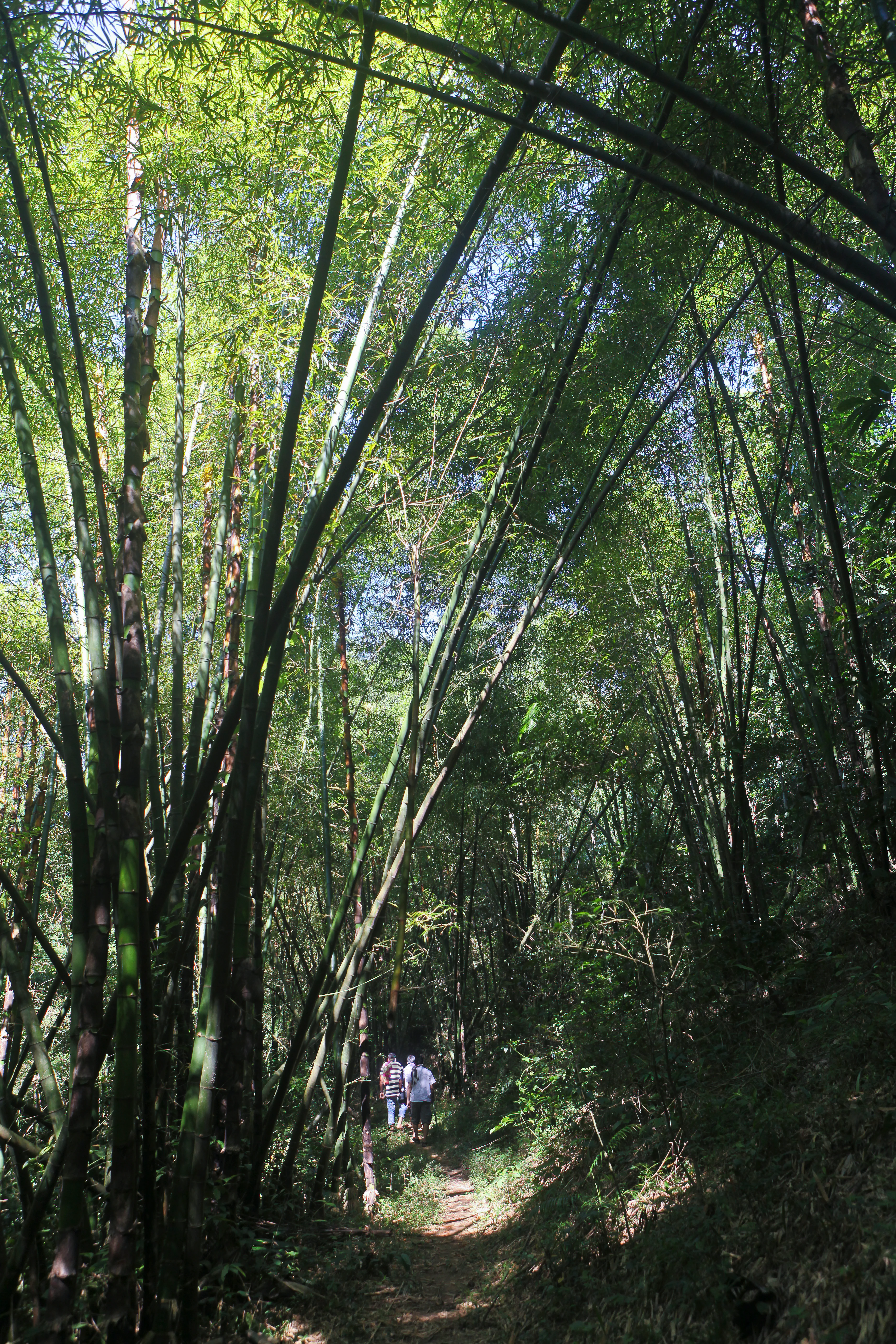
The land that now comprises Khadim Nagar National Park has undergone significant transformations over the past two centuries. During the British colonial period, the area was extensively cleared to make way for tea plantations, reflecting the economic priorities of the colonial administration in the Sylhet region. After Bangladesh gained independence in 1971, the post-1950 period saw systematic reforestation efforts by the Forest Department, with planting programs establishing species including teak, garjan, bamboo, champa, agar, akashmoni, eucalyptus, and acacia mangium across the area. This decades-long process of tree plantation gradually restored forest cover to much of the hillsides, though the forest character remained distinctly shaped by these planting activities rather than representing a primary natural ecosystem. On April 13, 2006, the Bangladesh government formally declared the area a national park under the Bangladesh wildlife (Preservation) Amendment Act of 1947, providing it with formal protected area status and management frameworks appropriate for national park designation.
Khadim Nagar National Park landscape and geographic character
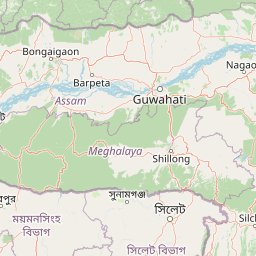
Khadim Nagar National Park is characterized by a hilly landscape of considerable topographic variation, with terrain that is much undulating and dissected by numerous streams and hill spurs. The park extends approximately 10 kilometers in length with a width of around 0.50 kilometers, creating a relatively narrow but elongated protected area following the hill formations. The overall appearance of the forest is comprised of various patches of artificial plantations of different ages, creating a mosaic landscape where areas of mature forest stand alongside younger plantation sections. The soil composition varies across the park, with loamy, clay, and sandy loam soils found in different locations, supporting the diverse vegetation types present. The park sits at approximately 24 degrees 57 minutes north latitude and 91 degrees 56 minutes east longitude, placing it within the tropical climate zone of northeastern Bangladesh. The surrounding area includes tea estates of Kalagool, Bhurjan, and Goolni, which frame the park boundaries and create a landscape where protected forest exists within a broader agricultural context.
Khadim Nagar National Park ecosystems, habitats, and plant life
The ecological character of Khadim Nagar National Park reflects both its location in Bangladesh's northeastern region and its history as a planted forest area. The park contains approximately 352 plant species belonging to 81 families, representing a significant diversity within its 679-hectare boundary. The forest supports several valuable tree species including Aquilaria malaccensis (agar), Dipterocarpus turbinatus, Artocarpus chama, Chukrasia tabularis, Toona ciliata, Syzygium grande, Tectona grandis (teak), and Quercus gomeziana. The park is particularly notable for its orchid population, with species such as Aerides multiflora, Aerides odorata, Dendrobium formosum, and Bulbophyllum lilacinum found throughout the forest. The trees support numerous parasitic plants and epiphytic orchids, creating a vertically complex forest structure. Several plant species in the park face conservation pressure due to overexploitation, including Vitex peduncularis, Litsea glutinosa, Sterculia villosa, and Dehaasia kurzii. Additionally, species such as Swintonia floribunda, Aquilaria agallocha, Mangifera sylvatica, and various orchids are considered threatened within the park's ecosystem.
Khadim Nagar National Park wildlife and species highlights
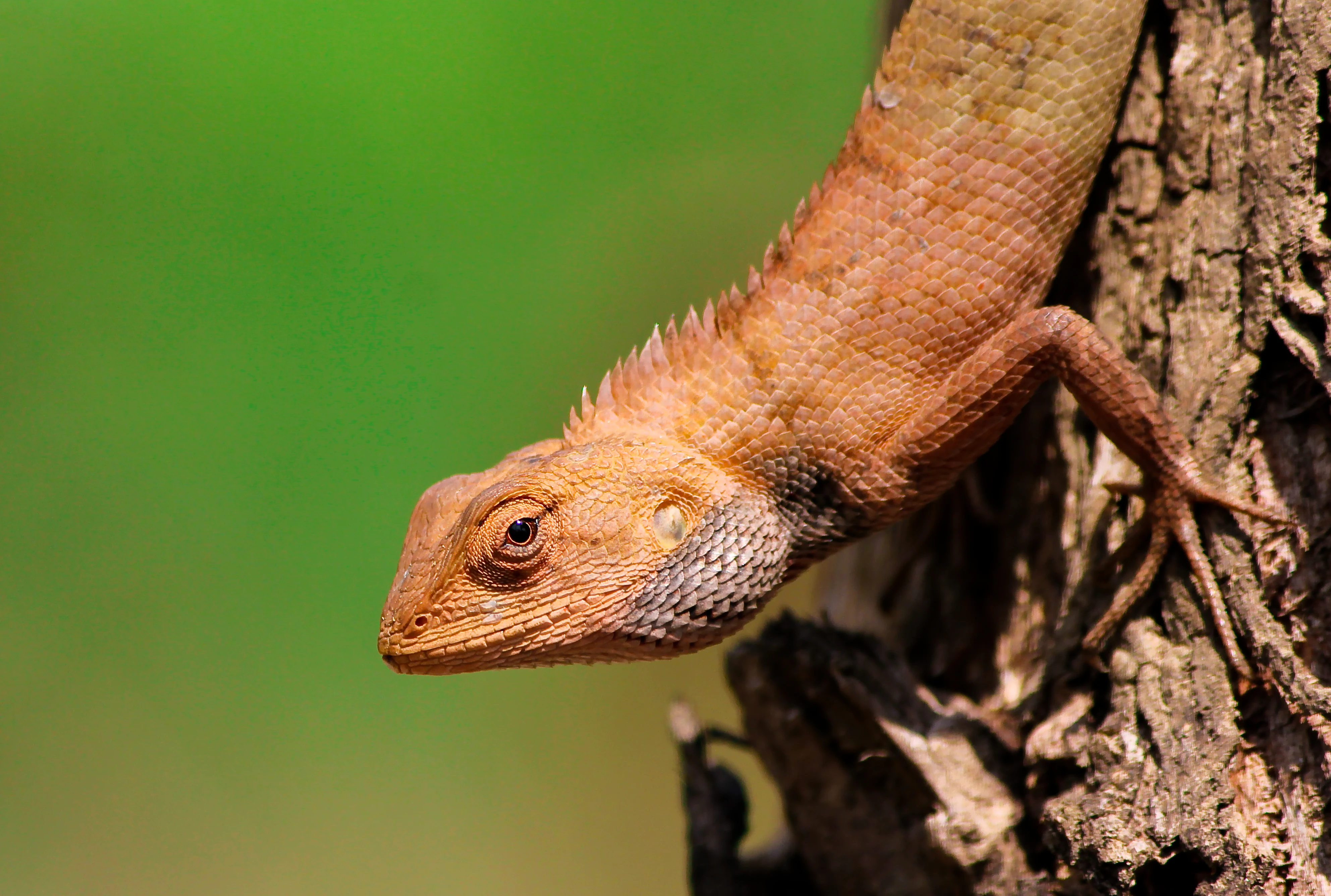
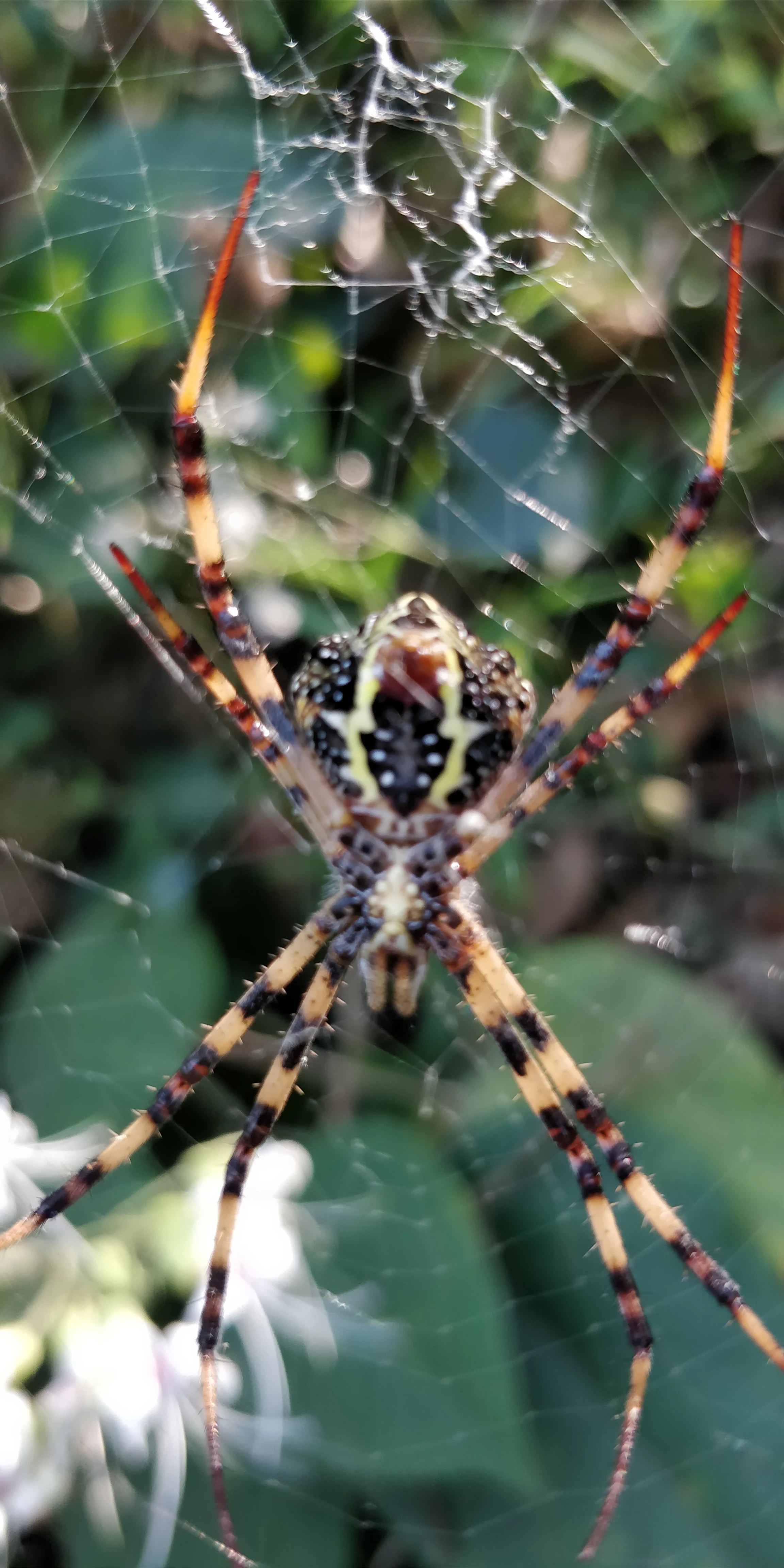
Khadim Nagar National Park supports a diverse faunal community with 26 mammal species, 25 bird species, and 20 reptile species recorded within its boundaries. The mammal population is dominated by barking deer, commonly known as muntjac, which represent the most frequently encountered large mammal in the park. Other mammalian species present include jackals, mongoose, jungle cats, and monitor lizards, the latter being a significant reptile species within the park. The diverse reptile community includes multiple species adapted to the forest floor and arboreal habitats created by the park's mix of mature trees and understory vegetation. The bird community, while less specifically described in available sources, contributes to the overall biodiversity significance of the park as a protected area. This faunal diversity, particularly the presence of multiple mammal species in a relatively compact protected area, demonstrates the ecological value of preserving the hill-forest habitat in Bangladesh's northeastern region.
Khadim Nagar National Park conservation status and protection priorities
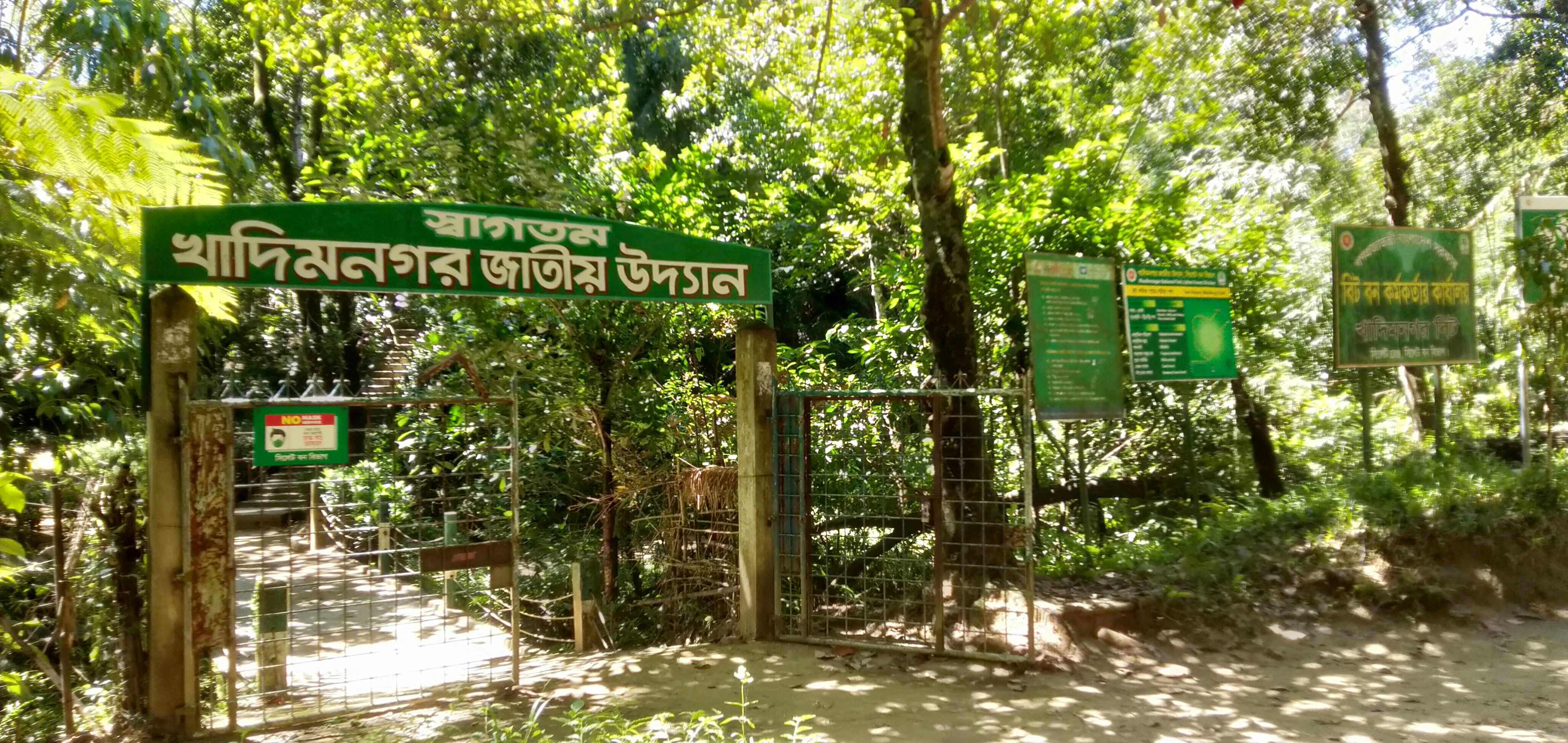
Khadim Nagar National Park serves as an important conservation area within Bangladesh's protected area network, representing the country's northeastern hill-forest ecosystems under formal national park protection. The park's designation in 2006 under the Bangladesh wildlife (Preservation) Amendment Act of 1947 provides a legal framework for habitat preservation and wildlife management. The conservation significance of the park is enhanced by the presence of several threatened plant species, including Swintonia floribunda, various orchids, Aquilaria species, and other flora facing pressure from overexploitation. The forest ecosystem, while containing significant planted components, has developed sufficient ecological complexity to support diverse mammal, reptile, and bird communities. The park's location within a landscape that includes active tea estates creates both conservation challenges and opportunities, as the protected area must function within a broader human-modified landscape while still maintaining meaningful ecological values.
Khadim Nagar National Park cultural meaning and human context
Khadim Nagar National Park exists within the broader cultural and agricultural landscape of Sylhet district, a region historically significant for tea cultivation during the British colonial period. The surrounding tea estates of Kalagool, Bhurjan, and Goolni represent the historical land use pattern that shaped the area before reforestation efforts transformed much of the hillsides into plantation forest. Sylhet itself is a major city in northeastern Bangladesh with its own historical significance as a region that experienced substantial colonial economic development focused on tea and other agricultural exports. The park's establishment in 2006 represents a relatively recent recognition of the ecological value of this transformed landscape, acknowledging that even areas with significant human modification can provide important habitat and ecosystem services. The relationship between the park and the surrounding tea-growing landscape reflects the broader pattern of conservation in Bangladesh, where protected areas often exist within actively managed agricultural regions.
Top sights and standout views in Khadim Nagar National Park
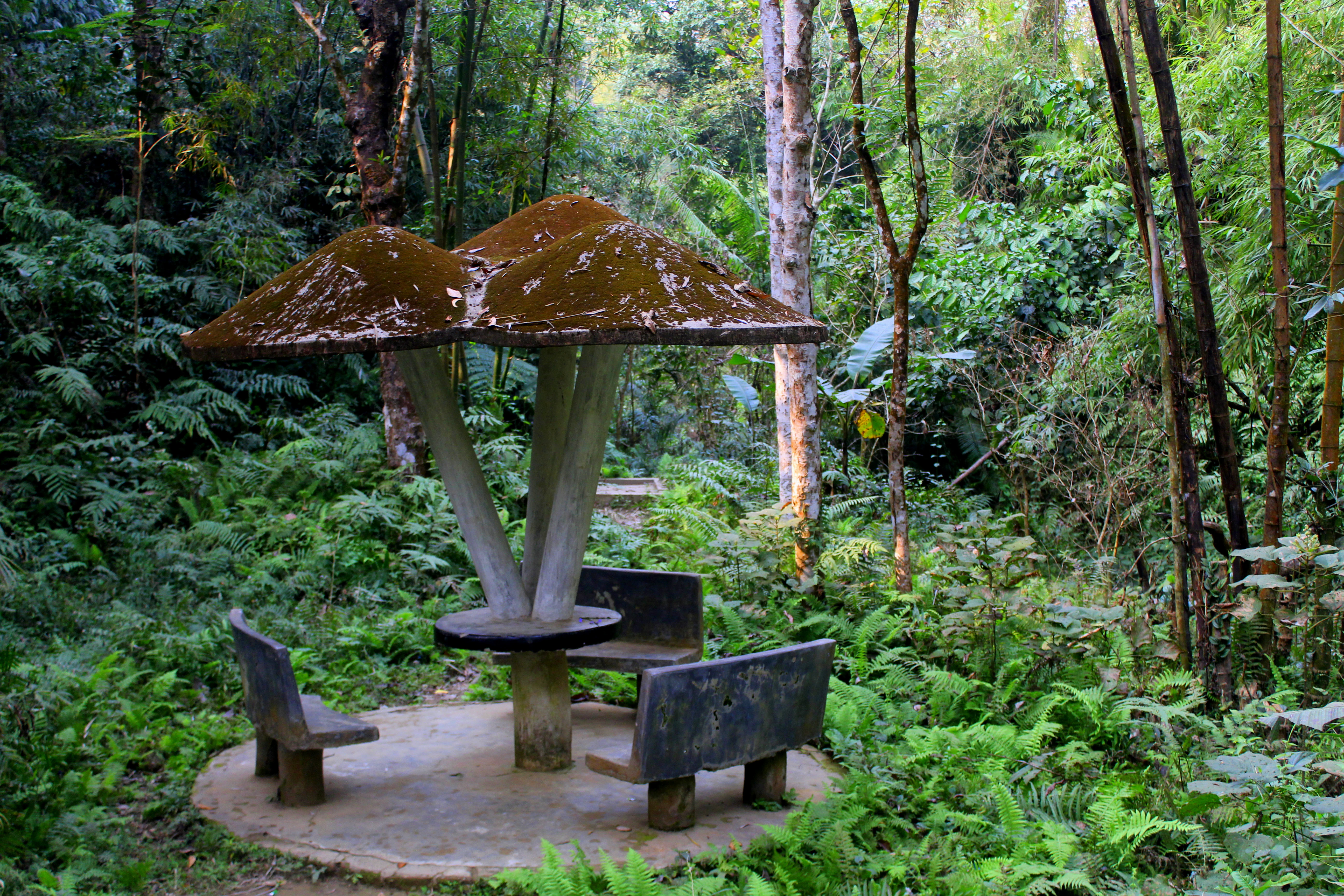
Khadim Nagar National Park stands out as Bangladesh's protected area in the northeastern hill-forest zone, featuring approximately 352 plant species across 81 families within its 679-hectare boundary. The park's distinctive character comes from its rolling hill terrain, with undulating topography dissected by streams and hill spurs creating a varied landscape. The orchid diversity, featuring species such as Aerides multiflora, Aerides odorata, and Dendrobium formosum, represents a particularly notable botanical highlight. The mammalian community, dominated by barking deer but also including jackals, mongoose, and jungle cats, provides wildlife viewing opportunities within the plantation forest environment. The park's history as a colonial tea plantation area subsequently reforested by the Forest Department creates a unique ecological character that combines elements of both natural forest and planted woodland. Located just 13 kilometers from Sylhet City, the park offers accessibility for visitors seeking to experience Bangladesh's northeastern hill-forest ecosystems.
Best time to visit Khadim Nagar National Park
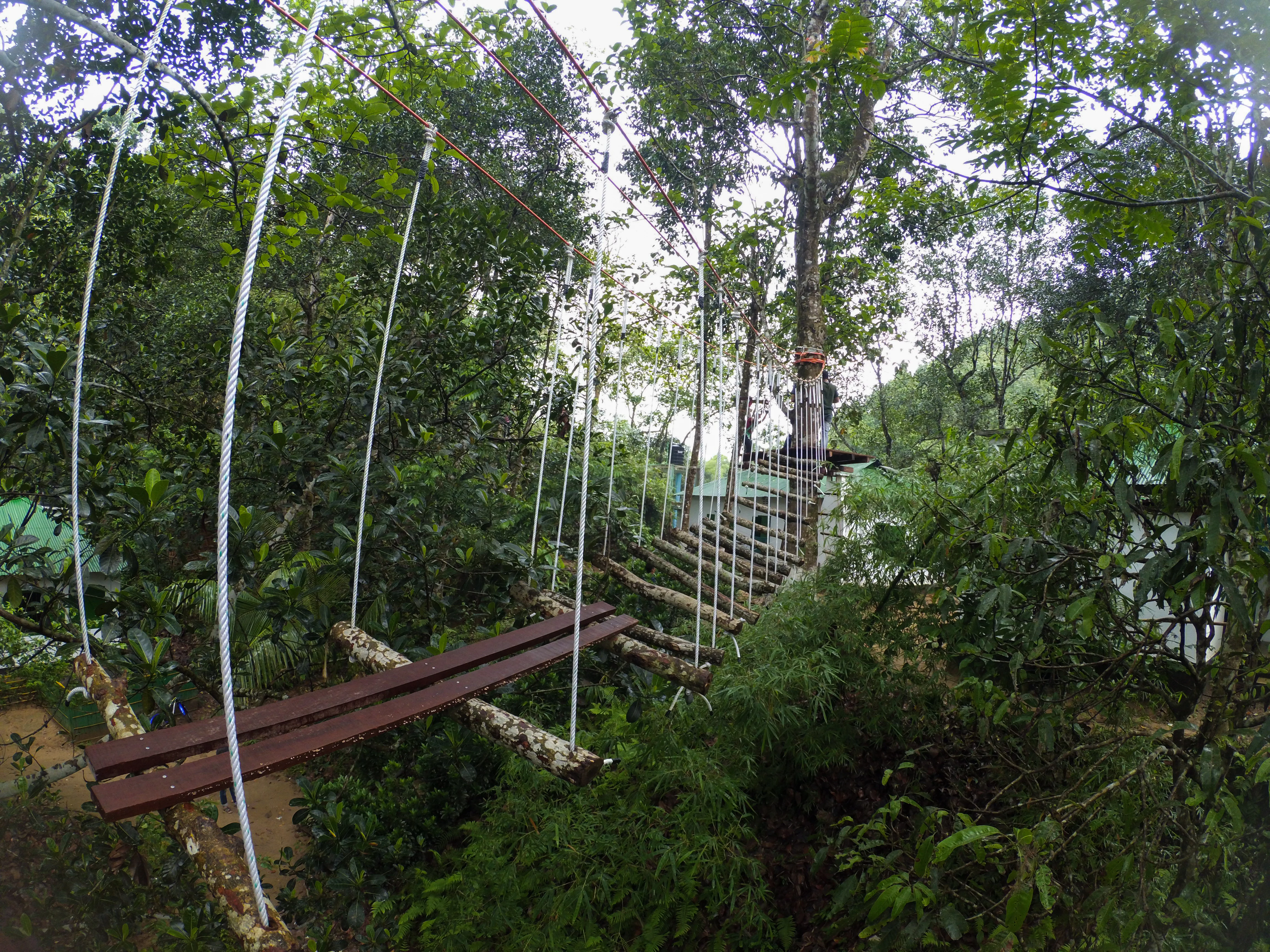
Khadim Nagar National Park can be visited throughout the year, though the tropical monsoon season from June to September brings significant rainfall that affects both accessibility and the forest environment. The monsoon period transforms the landscape with lush vegetation and active water streams, though some trails may become difficult to navigate during heavy rainfall. The post-monsoon and winter months from October through March generally offer more comfortable conditions for forest exploration, with reduced precipitation and milder temperatures. The park's evergreen forest maintains its green character throughout the year, ensuring that visitors encounter a verdant landscape regardless of season. The warm and generally humid climate means that visitors should prepare for tropical conditions regardless of when they choose to visit, with appropriate clothing and hydration being important considerations for any season.