Why Kouroufing National Park stands out
Kouroufing National Park is best known as a Sahelian protected area within the Bafing Biosphere Reserve, representing Mali's effort to conserve the savanna ecosystems of the country's western regions. The park is notable for its combination of terrestrial savanna habitats and proximity to Lake Manantali, which creates a varied landscape supporting wildlife adapted to both dryland and wetland environments. As part of the Bafing Biosphere, the park contributes to regional biodiversity conservation in an ecological zone that faces pressures from climate variability and human land use.
Kouroufing National Park history and protected-area timeline
Kouroufing National Park was established on 16 January 2002, representing a relatively recent addition to Mali's national park infrastructure. The park's creation was part of broader efforts by the Malian government to expand and consolidate the country's network of protected areas, particularly in regions with significant ecological value but limited formal protection. The establishment of the park within the Bafing Biosphere framework connected it to a larger conservation and sustainable development initiative that encompasses multiple stakeholder interests in the region. Since its designation, the park has served as a protected space for the savanna ecosystems of western Mali, contributing to national and regional biodiversity conservation goals.
Kouroufing National Park landscape and geographic character
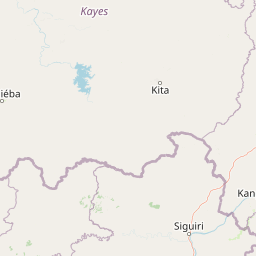
The landscape of Kouroufing National Park reflects the Sahelian ecological character of western Mali, featuring gently rolling terrain typical of the region's savanna environments. The terrain consists of plains and low hills interspersed with seasonal watercourses that carry water during the rainy season. The park's setting near Lake Manantali to the north introduces an important aquatic element to the landscape, creating a mosaic of terrestrial and wetland habitats. The vegetation across the park consists primarily of savanna grass layers with scattered deciduous trees and shrubs, a characteristic pattern of the Sahel transition zone. This landscape type supports both resident and migratory species and provides important ecosystem services for local communities.
Kouroufing National Park ecosystems, habitats, and plant life
The natural environment of Kouroufing National Park encompasses the biodiversity characteristic of Mali's Sahelian and Sudanian transition zones. The park's position within the Bafing Biosphere indicates ecological significance at the regional level, with the area supporting plant and animal communities adapted to the seasonal climate patterns of the Sahel. The combination of savanna terrestrial habitats and the nearby Lake Manantali wetland creates ecological diversity within and adjacent to the park boundaries. The Bafing Biosphere designation reflects recognition of the area's biodiversity value and the importance of maintaining ecological processes that support both wildlife and human communities in the region.
Kouroufing National Park wildlife and species highlights
Wildlife in and around Kouroufing National Park includes species adapted to the Sahelian savanna environment, with the park's proximity to Lake Manantali providing additional habitat diversity for waterfowl and other wetland-dependent species. The broader Bafing region supports populations of typical Sahelian fauna including various antelope species, small mammals, and bird species that migrate through the area seasonally. The presence of Lake Manantali increases the wildlife value of the region by providing important watering and foraging resources for both resident and migratory animal populations.
Kouroufing National Park conservation status and protection priorities
Kouroufing National Park serves as an important conservation unit within Mali's protected areas network, with its inclusion in the Bafing Biosphere connecting it to broader regional conservation objectives. The park contributes to protecting the savanna ecosystems of western Mali, an ecological zone that faces pressures from agricultural expansion, grazing pressure, and climate variability. The Bafing Biosphere framework provides a structure for integrating conservation with sustainable use of natural resources, recognizing both the ecological value of the area and the needs of local communities who depend on the landscape. The park's establishment in 2002 reflects Mali's ongoing efforts to maintain biodiversity and ecosystem services across its territory.
Kouroufing National Park cultural meaning and human context
The area surrounding Kouroufing National Park is home to communities whose traditional livelihoods are closely tied to the land and its seasonal patterns. The broader Bafing region has historical significance as part of the ecological landscape that has supported human settlement and agricultural activities for generations. The establishment of the Bafing Biosphere and the national park reflects efforts to balance conservation objectives with the needs of local populations who use the landscape for grazing, gathering, and other traditional activities.
Top sights and standout views in Kouroufing National Park
Kouroufing National Park represents a protected Sahelian savanna landscape in western Mali, established in 2002 as part of the Bafing Biosphere Reserve. The park's 557-square-kilometer area encompasses typical Sahel environment with savanna vegetation and diverse habitats. The nearby Lake Manantali adds ecological value to the region, creating a landscape mosaic that supports wildlife adapted to both dryland and wetland conditions. As a relatively recent addition to Mali's protected areas, the park reflects the country's commitment to conserving its natural heritage in the Sahelian zone.
Best time to visit Kouroufing National Park
The optimal time to visit Kouroufing National Park corresponds with the dry season from November to May, when weather conditions are most favorable for wildlife viewing and outdoor exploration. The wet season from June to October brings rainfall that transforms the landscape but can make some areas less accessible. The period around December through March offers the clearest conditions and is generally considered the most suitable for park visits, though visitors should check current access conditions before planning travel.