Why Kurrimine Beach National Park stands out
Kurrimine Beach National Park is best known for its role in protecting lowland tropical rainforest ecosystems within the Wet Tropics region, one of Earth's most biodiversity-rich areas. The park is specifically recognized for its birdlife, falling within the Coastal Wet Tropics Important Bird Area identified by BirdLife International due to the area's significance for conserving lowland tropical rainforest bird species. The park represents a relatively accessible coastal entry point to the Wet Tropics, offering visitors the opportunity to experience the dense, species-rich forests that characterize this World Heritage-listed region.
Kurrimine Beach National Park history and protected-area timeline
Kurrimine Beach National Park was established in 1977 as part of Queensland's expanding network of national parks during the 1970s and 1980s, a period when the state significantly increased its commitment to protected area establishment. The park was created to safeguard the coastal rainforest and associated ecosystems along this section of the Cassowary Coast. Queensland's national park system during this era reflected growing awareness of the need to conserve representative samples of the state's diverse landscapes and ecosystems. The Queensland Parks and Wildlife Service assumed management responsibility for the park, implementing conservation-focused management that prioritizes the protection of the park's ecological integrity. The park's later recognition as part of the Coastal Wet Tropics Important Bird Area added an additional layer of conservation significance, formalizing the site's international importance for bird conservation.
Kurrimine Beach National Park landscape and geographic character
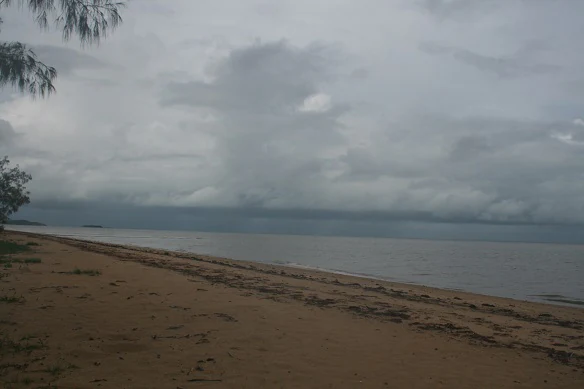
The landscape of Kurrimine Beach National Park reflects the characteristic terrain of the Wet Tropics coastal zone, featuring gentle slopes descending from the foothills of the surrounding mountain ranges toward the Coral Sea. The park's terrain is relatively low-lying compared to the higher elevation rainforests found further inland, which influences the composition and character of its vegetation communities. The coastal setting exposes the area to maritime influences, including salt-laden winds and the tropical rainfall patterns that sustain the rainforest. The park's position along the coast means it includes elements of shoreline habitat alongside the more extensive inland rainforest, creating a mosaic of ecosystems within a relatively compact area. The surrounding region is known for its high rainfall, which supports the lush vegetation that defines the Wet Tropics landscape.
Kurrimine Beach National Park ecosystems, habitats, and plant life
Kurrimine Beach National Park protects lowland tropical rainforest ecosystems that represent some of the most biodiverse habitats in Australia. The Wet Tropics bioregion contains approximately 3,000 plant species, with many endemic to the area, along with over 400 bird species, 140 mammal species, and diverse reptile and amphibian communities. The park's inclusion in the Coastal Wet Tropics Important Bird Area specifically highlights its significance for forest-dwelling bird species, many of which rely on the intact rainforest canopy for foraging, nesting, and breeding. The lowland tropical rainforest found within the park represents a habitat type that has been significantly reduced across its former range due to agricultural expansion and development, making protected areas like Kurrimine Beach increasingly important for species persistence. TheWet Tropics region is recognized as a global biodiversity hotspot, with the park contributing to the conservation of this irreplaceable natural heritage.
Kurrimine Beach National Park wildlife and species highlights
The wildlife of Kurrimine Beach National Park is characterized by the rich birdlife that earned the area its Important Bird Area designation. The Coastal Wet Tropics Important Bird Area supports populations of lowland tropical rainforest birds, many of which have restricted distributions within the Wet Tropics region. The diverse avian community includes species adapted to the forest canopy and understory, with some species endemic to the Wet Tropics bioregion. Beyond birds, the park's rainforest and coastal habitats support a range of other wildlife, including various reptile, mammal, and invertebrate species typical of far-north Queensland's tropical environments. The proximity to the Coral Sea also means marine and coastal species may be present in the shoreline areas of the park. The overall wildlife community reflects the high productivity and species richness of the Wet Tropics ecosystem.
Kurrimine Beach National Park conservation status and protection priorities
Kurrimine Beach National Park contributes to the conservation of one of Earth's most significant tropical biodiversity regions. The park forms part of the Wet Tropics World Heritage Area, recognized internationally for its outstanding natural value. The Coastal Wet Tropics Important Bird Area designation formalizes the site's global significance for bird conservation, highlighting that the area supports bird species of international conservation concern. The protection of lowland tropical rainforest is particularly important given the extensive loss of this habitat type across its former range in northern Australia. The park, together with the broader protected area network in the Wet Tropics, provides essential habitat connectivity and refuge for species in a region where remaining forest patches are often isolated by agricultural land. This conservation network is critical for maintaining the long-term viability of the Wet Tropics' unique biodiversity.
Kurrimine Beach National Park cultural meaning and human context
Kurrimine Beach National Park is situated in the traditional lands of the Mamu people, an Aboriginal group with historical connections to the rainforests and coastlines of the Wet Tropics region. The Cassowary Coast area, where the park is located, has been inhabited by Indigenous peoples for thousands of years, with the Mamu people maintaining cultural relationships with the land, waterways, and coastal areas. European settlement of the region began in the late 19th century, with the development of sugar cane and other agricultural industries transforming much of the coastal lowlands. The establishment of the national park in 1977 represented a recognition of the natural values that remained in the landscape despite agricultural development. The park name reflects the area's coastal character and its location along a beachfringe zone between rainforest and sea.
Top sights and standout views in Kurrimine Beach National Park
Kurrimine Beach National Park provides access to intact lowland tropical rainforest in a coastal setting, offering visitors an introduction to the Wet Tropics' exceptional biodiversity. The park's status as part of the Coastal Wet Tropics Important Bird Area makes it particularly significant for birdwatching and nature observation, with the opportunity to encounter forest bird species in their natural habitat. The combination of rainforest and coastal environments within a single protected area creates a distinctive visitor experience. As part of the World Heritage-listed Wet Tropics, the park contributes to the conservation of a globally significant biodiversity hotspot, with the protected area network helping to maintain ecological processes and species populations across the region.
Best time to visit Kurrimine Beach National Park
The best time to visit Kurrimine Beach National Park is during the dry season from approximately May to October, when rainfall is typically lower and visitor conditions are more comfortable. Far-north Queensland experiences a tropical climate with a distinct wet season from November to April, during which heavy rainfall and higher humidity can affect visitor accessibility and comfort. The dry season offers more predictable weather for exploring the park's trails and observing wildlife, though the Wet Tropics' rainfall can occur at any time of year. Wildlife viewing may be productive throughout the year, though bird activity can vary with seasonal changes in the rainforest. Visitors should be prepared for tropical conditions regardless of the season, including appropriate sun protection, insect repellent, and hydration.