Why Lesmurdie Falls National Park stands out
Lesmurdie Falls is the defining feature of this protected area. The 50-metre waterfall, where Lesmurdie Brook empties over the Darling Scarp, creates a dramatic natural spectacle and the primary draw for visitors. The park's position on the escarpment provides sweeping vistas across the Swan Coastal Plain to Perth and its suburbs, offering a unique perspective of the city's relationship with the surrounding landscape. The combination of waterfall, forest, and panoramic views makes this a distinctive natural asset close to a major city.
Lesmurdie Falls National Park history and protected-area timeline
Mundy Regional Park was established in 1957, making it one of Western Australia's older protected areas designated for regional recreation and conservation. The park was created to preserve the natural values around Lesmurdie Falls while providing public access to this scenic location on Perth's doorstep. Over the decades, the park has been managed by the Department of Parks and Wildlife (now the Department of Biodiversity, Conservation and Attractions) to balance conservation of the waterfall, riparian corridor, and woodland communities with recreational use by the local community. The establishment of the park reflected growing post-war interest in preserving scenic natural areas near Perth for public enjoyment and environmental protection.
Lesmurdie Falls National Park landscape and geographic character
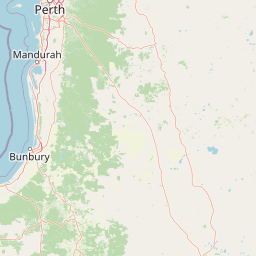
The park occupies a transitional zone between the Darling Scarp's forested slopes and the Swan Coastal Plain below. The landscape is defined by the 50-metre Lesmurdie Falls, where water cascades over a sheer cliff face created by the erosional edge of the scarp. The surrounding terrain includes riparian zones along Lesmurdie Brook, heath vegetation on steeper slopes, and woodland patches of wandoo, jarrah, and marri trees. A notable geological feature within the park is a gravity hill near the carpark on Palm Terrace, where local topography creates an optical illusion that appears to defy gravity. The elevated position provides sweeping views across the flat coastal plain to Perth and the Indian Ocean horizon beyond.
Lesmurdie Falls National Park ecosystems, habitats, and plant life
The park protects several interconnected vegetation communities characteristic of the Darling Scarp region. Riparian vegetation follows Lesmurdie Brook, providing habitat for water-dependent species and creating a green corridor through the landscape. Heath vegetation dominates the steeper slopes and rocky areas, while woodland patches of wandoo, jarrah, and marri trees occur in more protected areas. These vegetation types support diverse wildlife and maintain the ecological character of the escarpment edge. The combination of permanent water from the brook, diverse habitats, and the transitional position between coast and scarp contributes to the park's natural value.
Lesmurdie Falls National Park wildlife and species highlights
The park's vegetation communities support native wildlife typical of the Perth region and Darling Scarp. The riparian corridor along Lesmurdie Brook provides habitat for waterbirds and species associated with permanent water. Woodland areas shelter birds and mammals adapted to forest environments, while heath communities support smaller fauna. The proximity to Perth means the park serves as a green refuge for urban wildlife and a natural corridor connecting larger bushland areas on the scarp.
Lesmurdie Falls National Park conservation status and protection priorities
Mundy Regional Park preserves a representative sample of Darling Scarp vegetation communities including riparian, heath, and woodland habitats. The protection of Lesmurdie Falls and its associated catchment ensures the waterfall's ecological integrity and the water quality of Lesmurdie Brook. The park's location on the urban fringe demonstrates how protected areas can provide conservation value while serving recreational needs for a metropolitan population. Ongoing management balances visitor access with preservation of the park's natural values.
Lesmurdie Falls National Park cultural meaning and human context
The park occupies Country of the Noongar people, the Traditional Custodians of the Perth region. Lesmurdie Falls and the surrounding landscape hold cultural significance for Aboriginal people, with the area forming part of the broader cultural landscape of the Darling Scarp. The park provides contemporary communities with access to natural landscapes that have been important to Aboriginal people for thousands of years.
Top sights and standout views in Lesmurdie Falls National Park
The 50-metre Lesmurdie Falls is the park's centrepiece, offering a dramatic waterfall experience within easy reach of Perth. Panoramic views from the escarpment edge stretch across the Swan Coastal Plain to the city skyline. Multiple walking trails including the Lesmurdie Brook Loop, Lewis Road Walk, Palm Terrace Walk, and Xanthorrhoea Trail provide varied exploration opportunities. The unusual gravity hill adds an interactive element to a visit. Horse riding and off-road cycling are permitted in designated sections, offering additional recreational options.
Best time to visit Lesmurdie Falls National Park
The park can be visited year-round given its proximity to Perth. Autumn and winter months typically provide the most reliable waterfall flow as winter rainfall feeds Lesmurdie Brook. Spring brings wildflower displays in the heath areas. Summer months may see reduced water flow at the falls but offer warm conditions for walking. Early morning visits provide the best light for photography and cooler temperatures for exercise.