Why Mbaéré-Bodingué National Park stands out
Mbaéré-Bodingoué National Park is best known for its exceptional ecological diversity, encompassing three distinct habitat types within a relatively compact protected area. The park protects a transition zone where savanna ecosystems meet tropical rainforest, creating a unique mosaic of floodplain forests, gallery forests, and open grassland environments. This ecological blending makes it significant for wildlife conservation in the Central African region, providing habitat for populations of African forest elephants, western gorillas, and chimpanzees. The area's importance is further underscored by its designation as an IUCN Category V protected landscape, recognizing both its natural values and the cultural context of local communities who depend on the land.
Mbaéré-Bodingué National Park history and protected-area timeline
Mbaéré-Bodingué National Park was established in 2007 through the collaborative efforts of the Central African Republic's Ministry of Water, Forests, Hunting and Fishing and the Forest Ecosystems in Central Africa program, known by its French acronym ECOFAC. This establishment reflected a growing commitment within the Central African region to protect representative samples of diverse forest and savanna ecosystems. The creation of the park came during a period when Protected Area management in Central Africa was receiving increased attention, particularly for regions containing significant biodiversity value. The park's designation as an IUCN Category V protected landscape indicates that conservation objectives were balanced with consideration for sustainable human use and the maintenance of cultural landscapes. Since its establishment, the park has served as a conservation unit within the broader network of protected areas in the Central African Republic, which includes several other national parks and forest reserves that collectively protect much of the country's ecological heritage.
Mbaéré-Bodingué National Park landscape and geographic character
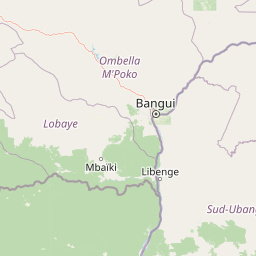
The landscape of Mbaéré-Bodingué National Park is defined by its position between two river systems and the convergence of distinct ecological zones. The Mbaéré and Bodingué rivers, which bound the park on either side, create seasonal flooding patterns that develop lowland floodplain forests along their courses. These riverine corridors support dense vegetation that contrasts sharply with the surrounding savanna, creating gallery forests that penetrate the grassland environments. The park's terrain transitions from more open savanna plains to increasingly dense forest as one moves toward the river systems, with the floodplain forests representing the most lush and biodiverse habitats. The combination of water bodies, forest corridors, and open savanna creates a visually varied landscape that characterizes this southwestern corner of the Central African Republic. This mosaic of habitats reflects the broader pattern of Central African landscapes where forest and savanna exist in dynamic equilibrium, influenced by factors including soil type, fire regimes, and human activity.
Mbaéré-Bodingué National Park ecosystems, habitats, and plant life
The nature of Mbaéré-Bodingué National Park is characterized by the convergence of three major habitat types that create unusual ecological diversity within a single protected area. The savanna portions of the park support grass-dominated ecosystems adapted to seasonal rainfall patterns and periodic fire. Between these open grasslands, the lowland floodplain forests develop along river courses, creating wooded environments that remain greener throughout the year due to consistent water availability. The tropical rainforest sections represent the most biodiverse habitats, with dense canopies supporting多层 plant communities. This ecological variety creates a complex environment where different species assemblages overlap, contributing to the park's significance for regional biodiversity. The floodplain forests also serve important ecological functions including water regulation, soil stabilization, and providing movement corridors for wildlife species moving between different habitat types.
Mbaéré-Bodingué National Park wildlife and species highlights
Mbaéré-Bodingué National Park provides habitat for a remarkable diversity of wildlife, with the combination of forest and savanna environments supporting multiple large mammal species. African forest elephants occupy the park's forest and floodplain areas, representing a species of significant conservation concern across its range. Western gorillas, specifically the western lowland gorilla subspecies, are present in the forest habitats, making this park important for protecting great ape populations. Chimpanzees also inhabit the wooded areas, living in communities that traverse both forest and more open environments. Buffalo herds move through the savanna sections, while hippos are found in the river systems that bound the park. Beyond these large mammals, the park is particularly notable for its bird diversity, with more than 400 species recorded within its boundaries. This avian community includes both forest-dwelling species and savanna-specialists, reflecting the park's varied habitats. The overlapping presence of elephants, gorillas, chimpanzees, and numerous other species indicates a relatively intact ecological community.
Mbaéré-Bodingué National Park conservation status and protection priorities
Mbaéré-Bodingué National Park contributes to the Central African Republic's protected area network, which collectively covers significant portions of the country's territory and represents important conservation assets for the region. The park's designation as an IUCN Category V protected landscape reflects a conservation approach that acknowledges both natural values and human presence, differing from the strict protection of Category I or II designations. This approach recognizes that many Central African landscapes have been shaped by human activity over generations, and that conservation outcomes may depend on maintaining sustainable relationships between local communities and the land. The presence of elephants, gorillas, and chimpanzees within the park connects it to broader conservation priorities across Central Africa, where these species face significant pressures from habitat loss and hunting. The park also plays a role in protecting watersheds and maintaining ecosystem services for surrounding communities.
Mbaéré-Bodingué National Park cultural meaning and human context
The area surrounding Mbaéré-Bodingué National Park is inhabited by various ethnic groups who maintain traditional livelihoods connected to hunting and fishing. These communities have historical relationships with the landscape that predate the park's formal establishment, and their activities continue to shape the human environment around the protected area. The park's designation as a Category V protected landscape explicitly acknowledges this cultural dimension, recognizing that the region's character reflects both natural processes and human land use over time. Fishing in the Mbaéré and Bodingué rivers provides important protein sources for local populations, while hunting contributes to livelihoods and food security. However, these traditional activities also create pressures on wildlife populations, and balancing conservation objectives with community needs remains an ongoing challenge for management. The relationship between park management and local communities represents an important aspect of the protected area's ongoing story.
Top sights and standout views in Mbaéré-Bodingué National Park
Mbaéré-Bodingué National Park stands out for its ecological diversity within a relatively compact area, protecting the transition between Central African savanna and tropical rainforest ecosystems. The park provides protected habitat for four of the region's most notable large mammal species: African forest elephants, western gorillas, chimpanzees, and hippos. Its riverside location creates a distinctive landscape of floodplain forests, gallery woodlands, and open savanna that supports more than 400 bird species. As one of the newer protected areas in the Central African Republic, established in 2007, the park represents ongoing national commitment to biodiversity conservation. The Category V designation reflects a management approach that integrates natural protection with the sustainable use expectations of local communities.
Best time to visit Mbaéré-Bodingué National Park
The park's location in the southern Central African Republic places it within a tropical climate zone characterized by distinct wet and dry seasons. The wet season typically runs from May through October, bringing higher rainfall and creating lush green conditions across the savanna and forest environments. Wildlife viewing may be somewhat more challenging during peak wet months when vegetation is dense, though animal activity around water sources can increase. The dry season from November through April offers easier movement through landscapes and more visible wildlife as animals congregate around remaining water sources. Visitors interested in bird observation may find the wet season particularly rewarding as migrant species arrive and resident birds are more active. The timing of a visit ultimately depends on individual priorities regarding weather conditions, wildlife activity, and tolerance for seasonal variations in access and comfort.