
Why Minalungao National Park stands out
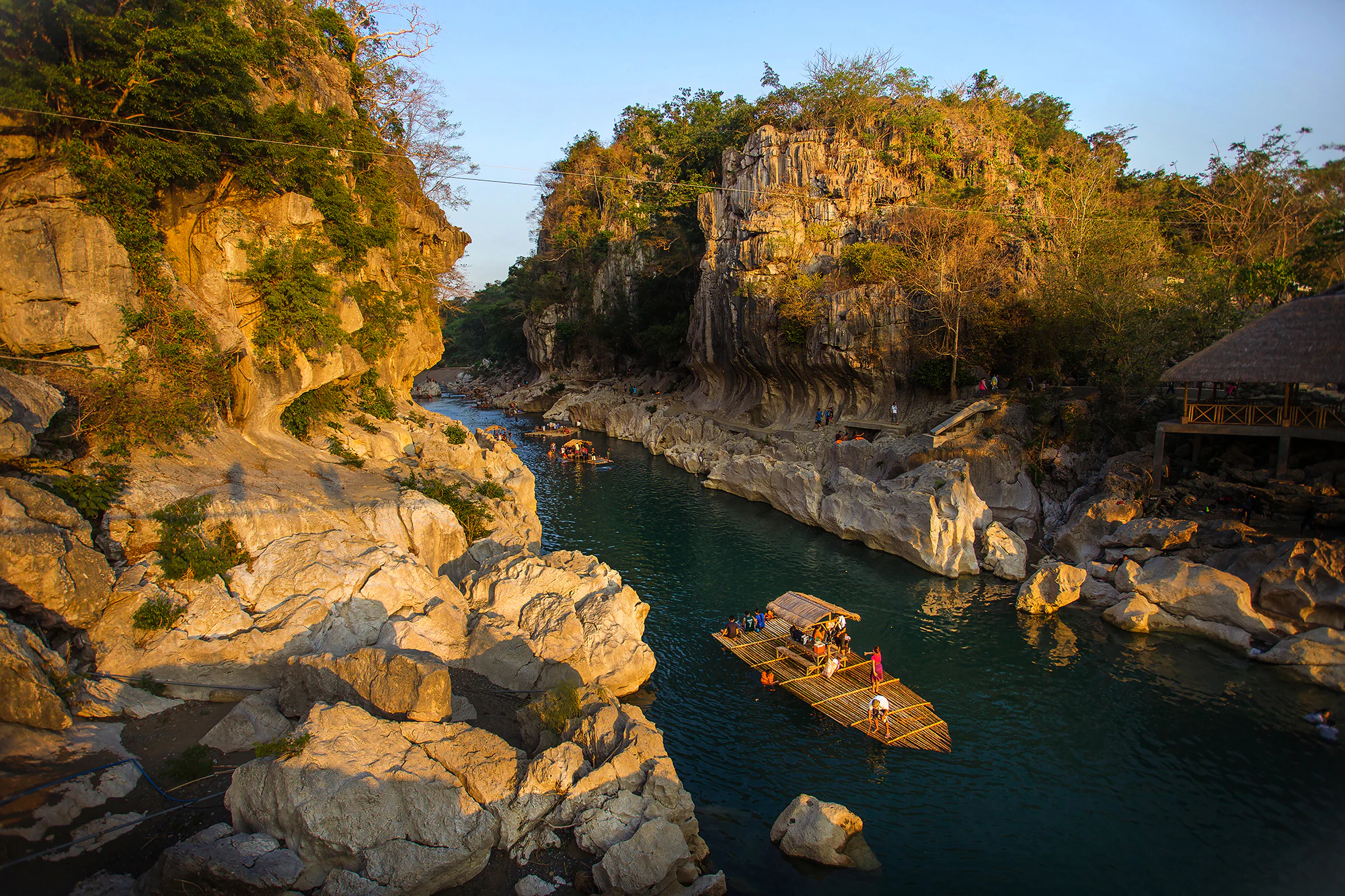
Minalungao National Park is best known for its striking limestone canyon that borders the Peñaranda River, creating a dramatic natural corridor with towering rock walls. The park is recognized as one of the few remaining intact natural areas in the heavily cultivated central Luzon plains. Its ecotourism offerings include swimming, fishing, raft riding, and cliff diving in the river, alongside picnicking facilities. The unexplored cave systems within the limestone formations represent an additional dimension of potential discovery that distinguishes this park from more accessible recreational sites in the region.
Minalungao National Park history and protected-area timeline
Minalungao National Park was established on June 11, 1967, through the passage of Republic Act No. 5100, which designated the area as a protected park under Philippine law. The legislation reflected a growing awareness in the mid-1960s of the need to preserve representative natural areas across the Philippines before agricultural development and population expansion altered landscapes beyond recovery. The park was created at a time when the Philippines was systematically identifying and protecting key ecological zones, with Minalungao selected for its distinctive canyon landscape and the ecological value of its river corridor. Since establishment, the park has been managed by the Department of Environment and Natural Resources, though the specific management approaches and visitor facilities have evolved over the decades. The shift toward ecotourism promotion began in earnest during the later decades of the 20th century, aligning with broader national strategies to leverage protected areas for both conservation and sustainable development objectives.
Minalungao National Park landscape and geographic character
The physical landscape of Minalungao National Park is defined by the dramatic canyon corridor formed along the Peñaranda River. Limestone cliffs rise vertically on both sides of the river, reaching heights of approximately 16 meters and creating a confined channel that produces the park's most visually striking feature. The rock formations display the characteristic texture and coloring of tropical limestone, with erosion patterns and natural crevices adding visual complexity to the canyon walls. Beyond the immediate river corridor, the park encompasses rolling terrain in the Sierra Madre foothills, with slopes transitioning from the river level upward into more rugged terrain. The combination of the water feature, vertical rock faces, and surrounding vegetated slopes creates a compact but visually diverse landscape. The river itself provides a dynamic element, with water flow patterns and the sounds of moving water contributing to the sensory experience of the canyon environment.
Minalungao National Park ecosystems, habitats, and plant life
The ecological character of Minalungao National Park centers on the riparian corridor along the Peñaranda River and the limestone forest habitat that surrounds the canyon walls. The river ecosystem supports aquatic life and provides a water source that sustains vegetation throughout the protected area. The limestone cliffs host specialized plant communities adapted to the rocky substrate and shaded conditions created by the canyon geometry. Forest vegetation covers the slopes outside the immediate river channel, contributing to habitat diversity and supporting terrestrial species. As one of the few remaining natural areas in the heavily modified central Luzon region, the park serves as a refuge for wildlife species that have lost habitat elsewhere in the province. The transition zone between the Sierra Madre mountains and the lowland agricultural plains adds ecological complexity, with species from both elevations potentially present within the park boundaries.
Minalungao National Park wildlife and species highlights
While detailed species inventories are not extensively documented in available sources, Minalungao National Park's position as a preserved natural corridor in central Luzon suggests the presence of wildlife adapted to river, forest, and limestone cliff habitats. The river provides habitat for fish and other aquatic organisms, while the surrounding forest cover supports bird species and small mammals. The intact natural vegetation within the park contrasts sharply with the cultivated agricultural lands surrounding it, meaning the protected area likely serves as an important refuge for wildlife in a region where natural habitat has been largely converted. The limestone cliff formations may provide nesting sites for birds and shelter for cave-dwelling species, particularly given references to unexplored caverns within the park that could harbor specialized faunal communities.
Minalungao National Park conservation status and protection priorities
Minalungao National Park represents a conservation priority as one of the few remaining natural environments in Nueva Ecija province, an area that has experienced extensive agricultural development over the past century. The protected area designation provides legal framework for preserving the canyon landscape, river ecosystem, and surrounding forest habitat from conversion or degradation. The IUCN Category V classification reflects the park's landscape-scale conservation approach, recognizing both the natural values and the cultural practices that have shaped the area over time. As an ecotourism destination, the park generates economic value from its natural assets while maintaining the protected area status that ensures long-term preservation. The cave systems noted in park documentation represent an additional conservation consideration, as unexplored subterranean environments may contain unique biological or geological features requiring protection.
Minalungao National Park cultural meaning and human context
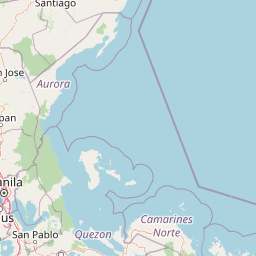
The park is situated within the municipality of General Tinio, Nueva Ecija, a province in central Luzon with its own historical and cultural character. The name Minalungao derives from local usage, and the protected area forms part of the regional identity for communities in this part of the Philippines. While the sources do not extensively document indigenous cultural connections to the landscape, the park's establishment reflects a national approach to protected area management that often intersects with local community relationships to land and natural resources. The proximity to the boundary with Bulacan province adds regional context, as the park sits at the edge of what were historically distinct administrative and cultural zones within central Luzon.
Top sights and standout views in Minalungao National Park
The defining highlight of Minalungao National Park is its spectacular limestone canyon along the Peñaranda River, where vertical rock walls create an enclosed corridor of remarkable scenic beauty. The river itself serves as the focal point for recreational activities including swimming, cliff diving, and raft riding, offering visitors direct engagement with the water environment. The unexplored cave systems within the limestone formations represent an additional dimension of discovery potential that distinguishes this park from more conventional nature tourism destinations in the Philippines. As one of the few remaining natural areas in the heavily agricultural central Luzon region, the park provides a rare opportunity to experience unmodified river and forest habitat in a region where such environments have become increasingly scarce.
Best time to visit Minalungao National Park
The park can be visited throughout the year, though the dry season from November to May generally offers more comfortable conditions for outdoor recreation along the river. During the wet season from June to October, increased rainfall can affect water levels and river conditions, potentially influencing the feasibility of water-based activities. The cooler months of December through February tend to offer the most pleasant temperatures for hiking and exploring the canyon trail. Visitors seeking optimal conditions for swimming and river activities should consider the typical dry season pattern, though the natural landscape maintains its visual appeal regardless of season.