Why Mollem National Park stands out
Mollem National Park is best known for two iconic features: the breathtaking Dudhsagar Falls, a multi-tiered waterfall ranking among the tallest in India, and the ancient Tambdi Surla Mahadev Temple, a rare stone Shiva shrine dating to the 12th century. The park is also renowned as a biodiversity stronghold within the Western Ghats, protecting dense forest corridors that support populations of the endangered Indian bison (gaur), sloth bears, leopards, and over 200 species of birds. The dramatic landscape of steep cliffs, dark water pools, and mist-covered forest creates one of Goa's most visually striking natural environments.
Mollem National Park history and protected-area timeline
The protected area now known as Mollem National Park was formally established as part of the Bhagwan Mahaveer Sanctuary in 1978, named after the Jain tirthankara Bhagwan Mahaveer. Prior to formal protection, the forest lands were managed under various colonial-era forest departments during Portuguese rule, which ended in 1961. The sanctuary was expanded and upgraded in subsequent decades to encompass the full extent of Mollems mountainous interior. The Tambdi Surla Mahadev Temple within the park predates the modern protected area by roughly 800 years, constructed during the Kadamba dynasty period around the 12th century, making it one of Goas oldest surviving religious structures. The creation of the park represented a shift from purely extractive forest management toward biodiversity preservation, particularly as awareness grew regarding the Western Ghats global ecological significance.
Mollem National Park landscape and geographic character
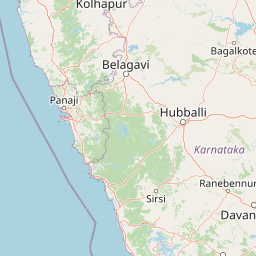
The terrain of Mollem National Park consists of steep, heavily wooded slopes descending from the Western Ghats crest into narrow valleys carved by seasonal streams. The landscape is dominated by laterite cliffs and boulders, many of which are moss-covered and obscured by climbing vegetation. The Dudhsagar Falls marks the centerpiece of the parks visual identity, where the Dudhsagar or Milk River plunges over a series of ledges in a cascade exceeding 300 meters in total height, creating a veil of white water against dark rock faces. The forest canopy remains dense year-round in the lower valleys, with trees reaching heights of 25 to 30 meters. Seasonally, the landscape transforms dramatically during the monsoon months from June to September, when waterfalls swell, streams become torrents, and the entire park turns a vivid green. The dry season reveals more of the underlying rock and causes many streams to shrink to trickles, exposing the boulder-strewn riverbeds.
Mollem National Park ecosystems, habitats, and plant life
Mollem National Park lies within the Central Western Ghats ecoregion, one of the most biodiverse areas on the Indian subcontinent. The forest types present include semi-evergreen, moist deciduous, and riparian vegetation, with tree species such as terminalia, tetrameles, and dipterocarpus dominating the canopy. The parks elevation gradient creates distinct habitat zones, from valley-bottom evergreen pockets to more open hillside formations. The Western Ghats are recognized globally as a biodiversity hotspot, and Mollem contributes to the protection of this critical ecological corridor. The park also functions as an important watershed, feeding rivers and streams that supply water to surrounding lowland areas. Botanical surveys have documented numerous endemic plant species within the park boundaries, including several that are rare or threatened.
Mollem National Park wildlife and species highlights
The wildlife population in Mollem reflects the rich biodiversity of the Western Ghats, with the park providing habitat for several threatened species. The Indian gaur, the largest bovine in India, is among the most frequently spotted large mammals, often grazing in forest clearings during early morning hours. Leopard populations persist in the steeper, more remote sections of the park, while sloth bears are known to inhabit rocky outcrops and cave systems. Birdlife is particularly diverse, with over 200 species recorded including the Great Indian hornbill, white-bellied tree pie, and various sunbird and flycatcher species. The park also supports populations of the Malayan giant squirrel, sambar deer, and button quail. Reptile species include the king cobra and various pit vipers, though sightings remain uncommon for most visitors.
Mollem National Park conservation status and protection priorities
Mollem National Park forms part of the Bhagwan Mahaveer Sanctuary, which represents Goas largest area of protected forest and a critical component of the Western Ghats conservation network. The Western Ghats were designated a UNESCO World Heritage Site in recognition of their exceptional biodiversity and endemism, placing Mollem within a globally significant conservation framework. The parks protected status helps safeguard watershed functions that are essential for downstream water supply and agriculture in Goa. Conservation challenges include managing the tension between tourism pressure and ecological sensitivity, particularly around popular attractions like Dudhsagar Falls. Anti-poaching efforts and habitat restoration programs have been implemented to strengthen protection for flagship species. The park also plays a role in climate resilience, with its forests sequestering carbon and regulating local hydrological cycles.
Mollem National Park cultural meaning and human context
The Tambdi Surla Mahadev Temple represents the most significant cultural heritage element within Mollem National Park, standing as a rare example of early Kadamba-period temple architecture in Goa. Built entirely from laterite stone in the 12th century, the temple features intricate carvings and a pyramidal roof distinctive to early Goan temple design. The shrine remains an active place of worship, with devotees undertaking annual pilgrimages to the isolated temple deep within the forest. The surrounding landscape holds traditional significance for local communities, who have historically gathered forest produce and conducted religious ceremonies in the area. The Portuguese colonial period saw the region become more isolated, as the mountainous terrain limited agricultural development and settlement. Contemporary visitors blend ecological tourism with cultural pilgrimage, though access remains controlled to protect both heritage structures and natural resources.
Top sights and standout views in Mollem National Park
Dudhsagar Falls stands as the parks undisputed highlight, a thundering multi-tiered waterfall that ranks among Indias most impressive natural spectacles. The falls are especially dramatic during the monsoon season when water volume peaks, creating a powerful cascade visible from the highway below. The Tambdi Surla Mahadev Temple offers a completely different kind of highlight, an ancient stone shrine enveloped by forest that feels transported from another era. The parks wildlife viewing opportunities, particularly for spotting Indian gaur and endemic bird species, provide rewarding experiences for patient observers. The drive through the park itself, along the road connecting Goa to Karnataka, offers continuously changing views of forest, cliffs, and mountain passes.
Best time to visit Mollem National Park
The optimal time to visit Mollem National Park spans from October through March, when dry weather conditions make trails more accessible and wildlife activity concentrates around remaining water sources. The monsoon season from June to September transforms the landscape with lush vegetation and full-flowing waterfalls, though some trails may be restricted and landslides can affect road access. The period immediately after monsoon, in October and November, often offers the best combination of flowing waterfalls and comfortable temperatures. Summer months from April to June bring intense heat and reduced water flow, though wildlife may be easier to spot as animals seek out remaining water holes. Early morning visits, starting before sunrise, provide the best opportunities for wildlife observation and cooler temperatures for hiking.