Why Mount Bauple National Park stands out
Mount Bauple is best known as the namesake and remaining stronghold of the wild macadamia tree (Macadamia integrifolia), the ancestor of one of Australia's most commercially significant edible nut crops. The park protects one of the most restricted wild plant populations of any cultivated species, preserving a living genetic library with enormous value for ongoing agricultural research and industry sustainability. The mountain also represents an ancient geological formation that has long held significance for the Budjilla people, whose cultural connection to the landscape predates European settlement by thousands of years.
Mount Bauple National Park history and protected-area timeline
Mount Bauple National Park was established in 1935, placing it among the early cohort of national parks created in Queensland during the first half of the twentieth century. The decision to protect this mountain reflected a growing awareness among early conservation advocates in Australia that certain landscapes held scientific and natural values that warranted formal protection. Unlike many national parks of that era that were created primarily to preserve scenic landscapes or provide recreational opportunities, Mount Bauple was designated specifically to protect its exceptional scientific values.
The mountain's association with the macadamia nut predates European settlement by an unknown but considerable timespan, woven into the Dreaming traditions of the Budjilla (Butchulla) people. The name Bauple derives from Baphal, a Dreaming figure who served as caretaker for the land according to the traditional narratives of this Indigenous group whose traditional country encompasses Fraser Island and the adjacent mainland coast. When European settlers encountered the mountain and the distinctive nuts produced by its forests, they adopted the local terminology, extending the use of Bauple or Bopple as the common name for the species that would later become internationally recognized as the macadamia.
The park's formal protection as a national park represented an early recognition that the wild macadamia population held significance beyond its immediate ecological role. Scientists and agricultural administrators understood that the wild populations represented a genetic resource of enormous potential value for the developing macadamia cultivation industry. Protecting this wild stock became a priority that justified the establishment of a protected area with strict nature reserve status.
Mount Bauple National Park landscape and geographic character
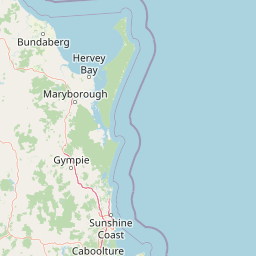
Mount Bauple rises as an isolated mountain formation from the otherwise relatively flat coastal lowlands of the Fraser Coast Region. The peak creates a distinctive silhouette against the Queensland sky, visible from the surrounding agricultural lands that have been largely cleared for farming and grazing. The mountain's steep slopes and rocky outcrops support vegetation communities that differ markedly from the surrounding cleared country, creating a visual and ecological island of natural habitat.
The geological character of the mountain contributes to its distinctiveness. Ancient volcanic and metamorphic rock formations create the solid foundation upon which the mountain stands, with exposed rock faces and boulder-strewn slopes marking the steeper sections. The combination of elevation, rocky terrain, and the moisture-retaining properties of the mountain's substrates supports vegetation communities that persist even during dry periods when the surrounding lowland vegetation shows signs of stress.
The park's relatively small area encompasses the upper slopes and summit of Mount Bauple, preserving the most intact sections of the mountain's natural vegetation. While the lower slopes have been subject to varying degrees of modification over the years, the protected area maintains the core natural landscape character that makes the mountain visually and ecologically significant.
Mount Bauple National Park ecosystems, habitats, and plant life
The ecological heart of Mount Bauple National Park lies in its protection of wild macadamia populations. Macadamia integrifolia represents one of Australia's few native plants that has achieved global commercial significance, with the edible nuts now produced in quantity in Australia, Hawaii, South Africa, and other regions with suitable climates. However, the wild populations from which the cultivated varieties derive remain highly restricted in their natural distribution, making every protected population significant for conservation.
The park's vegetation communities include not only the wild macadamia but also the broader suite of plant species that characterize these montane forest and woodland habitats. The mountain's elevation and microclimate create conditions that support species more typical of higher-rainfall areas than the surrounding coastal lowlands receive. This ecological island effect means that Mount Bauple harbors plant species that occur nowhere else in the immediate region, contributing to its scientific importance beyond the macadamia specifically.
The conservation of these ecological communities benefits from the park's strict nature reserve designation, which limits public access and minimizes disturbance to the sensitive habitats. This management approach recognizes that the values that make Mount Bauple significant are most effectively protected through restraint rather than active development or promotion for visitor use.
Mount Bauple National Park wildlife and species highlights
While the botanical values of Mount Bauple National Park receive the most explicit attention in conservation literature, the protected area also provides habitat for native fauna that depends on the mountain's intact vegetation communities. The forest and woodland habitats support bird species that require large trees for nesting and feeding, including various honeyeaters, parrots, and pigeons that are characteristic of Queensland's eastern forests.
The dense understory and ground layer vegetation provides shelter and foraging opportunities for smaller mammals, reptiles, and invertebrates that have adapted to the specific conditions found on the mountain. These faunal communities, while not as extensively documented as the botanical values, contribute to the overall ecological integrity of the protected area.
The significance of the macadamia itself extends into the animal kingdom, as various native species consume the nuts and fruits as part of their natural diet. The protection of wild macadamia populations thus preserves not only the plant species but also the broader ecological relationships that have evolved around this distinctive Australian genus.
Mount Bauple National Park conservation status and protection priorities
Mount Bauple National Park serves as a critical conservation refuge for one of Australia's most economically significant wild plant species. Macadamia integrifolia has become a globally recognized commercial nut crop, with annual production reaching substantial volumes in Australia and other producing regions. Yet the domesticated populations represent only a fraction of the genetic diversity present in the wild, making the preservation of wild populations essential for the long-term sustainability and adaptability of the entire industry.
The species' wild status as listed as vulnerable reflects the limited nature of its natural distribution and the various threats that affect wild populations. Protecting the Mount Bauple population ensures that this genetic resource remains intact and available for future research, breeding programs, and potential reintroduction efforts if wild populations elsewhere decline. The park's strict nature reserve status reflects the high priority placed on preserving these values, accepting limited public access in service of long-term conservation goals.
The broader significance of Mount Bauple extends to its role as an educational and research resource. The protected area provides opportunities for scientific study of the wild macadamia in its natural environment, supporting ongoing research into the species' ecology, genetics, and responses to environmental change.
Mount Bauple National Park cultural meaning and human context
The cultural significance of Mount Bauple is deeply intertwined with the Indigenous heritage of the Fraser Coast region. The mountain's name derives from Baphal, a Dreaming figure from the Budjilla (Butchulla) people, the Traditional Custodians of Fraser Island and the adjacent mainland coastline. This connection places the mountain within a framework of Indigenous knowledge and management that spans thousands of years of continuous cultural practice.
The association between the mountain and the macadamia nut extends beyond the linguistic connection to deeper cultural meanings embedded in the Dreaming narratives. The bauple or bopple nut was a traditional food source for Indigenous peoples of the region before European settlement, and the continued use of this term reflects the persistence of Indigenous language in the landscape despite the changes that have occurred since colonization.
This Indigenous cultural context adds a dimension of significance to the protected area that goes beyond its botanical importance. The mountain represents a place where natural heritage and cultural heritage intersect, where the landscapes that support wild macadamia have been part of Indigenous country since long before the establishment of formal conservation boundaries.
Top sights and standout views in Mount Bauple National Park
Mount Bauple National Park's primary significance lies in its protection of wild macadamia populations, the wild ancestors of one of Australia's most successful commercial nut crops. This alone would make the park noteworthy, but the protected area adds further value through its role as one of Queensland's earliest national parks, established in 1935 to preserve scientific values rather than for recreational purposes. The strict nature reserve designation reflects a management philosophy that prioritizes preservation over visitor access, making the park a quiet refuge for scientific research rather than a destination for general tourism.
The mountain's cultural heritage adds depth to the visitor experience, even for those who simply observe the peak from surrounding areas. The Dreaming connection to Baphal and the Budjilla people creates a layer of meaning that transforms this compact protected area from a simple botanical reserve into a place where natural and cultural values intertwine.
Best time to visit Mount Bauple National Park
Mount Bauple National Park operates under a strict nature reserve management approach that limits public access, meaning that any visit requires careful planning and awareness of access conditions. The park can be approached year-round, but the dry season from April to October generally offers more comfortable conditions for outdoor activity in Queensland. The winter months (June through August) typically bring cooler temperatures and lower humidity, making this period more suitable for those able to visit during these months.
Given the park's primary focus on scientific preservation rather than public recreation, visitors should expect limited facilities and should contact the Queensland Parks and Wildlife Service to confirm access arrangements and any current conditions or restrictions that may apply. The park's small size and the sensitive nature of its botanical values mean that management prioritizes protection over visitor convenience.