Why Mount Colosseum National Park stands out
Mount Colosseum National Park is best known for its dramatic volcanic dome formation, which stands as a prominent geological landmark in Central Queensland. The dome's elevation of 470 metres makes it a distinctive visual feature visible across the surrounding landscape. The park also preserves a unique combination of vegetation communities, including hoop pines on the exposed upper slopes and ironbark-bloodwood dry rainforest in the lower areas, creating a varied ecological mosaic within a relatively small protected area.
Mount Colosseum National Park history and protected-area timeline
Mount Colosseum National Park was established in 1977 through the formal protection of the volcanic dome and surrounding lands in Central Queensland. The creation of the park reflected a growing recognition of the geological and ecological significance of the volcanic formation, which serves as a prominent landmark in the region.
The Queensland Parks and Wildlife Service has maintained administrative responsibility for the park since its designation. The decision to protect the area as a national park rather than a less stringent category of protected area demonstrates the value placed on preserving both the geological feature and the associated vegetation communities.
Throughout its history, the park has been managed with an emphasis on maintaining its natural state rather than developing visitor infrastructure. This approach has ensured that the volcanic dome and its surrounding landscape have remained largely undisturbed since the park's establishment.
Mount Colosseum National Park landscape and geographic character
The landscape of Mount Colosseum National Park is dominated by the volcanic dome that rises sharply from the surrounding terrain to an elevation of 470 metres. This domed formation represents an ancient volcanic feature, the visible expression of geological processes that occurred deep in Earth's history. The dome creates a dramatic silhouette visible for considerable distances across the Central Queensland countryside.
The terrain varies from exposed rocky sections on the upper dome to more gentle slopes in the lower areas. The surrounding landscape consists of mixed forest and woodland typical of the Central Queensland region. The contrast between the bare or sparsely vegetated dome and the more heavily vegetated lower slopes creates a visually distinctive landscape that has long served as a navigation marker and local landmark.
The geological character of the site, with its volcanic origins, distinguishes it from the surrounding landscapes and contributes to the special identity of the protected area.
Mount Colosseum National Park ecosystems, habitats, and plant life
The nature of Mount Colosseum National Park is defined by the interplay between volcanic terrain and the vegetation communities that have established across different parts of the dome and its lower slopes. The upper elevations support hoop pines, a species that has adapted to the challenging conditions of exposed volcanic rock and thin soils. These conifers create a sparse but distinctive covering across the dome's surface.
Below the exposed upper sections, the park supports dry rainforest communities characterised by ironbark and bloodwood trees. These species represent the more mesic vegetation that occurs in protected valleys and lower slope positions within the broader dry forest landscape of Central Queensland. The presence of dry rainforest in this context reflects the slightly more favourable moisture conditions found in the lower parts of the park.
Together, these vegetation types create a gradient from exposed dome to sheltered slopes, illustrating how local environmental conditions influence the distribution of plant communities within a relatively small area.
Mount Colosseum National Park wildlife and species highlights
While the source material provides limited detailed information about specific wildlife species, the park's vegetation communities would support various native animals typical of Central Queensland's dry forest and woodland environments. The combination of hoop pine forest on the upper dome and ironbark-bloodwood rainforest below creates diverse habitat structures that would benefit different wildlife groups.
The dry rainforest areas in particular would provide shelter and food resources for many species, while the more open sections support different ecological communities. Birds, reptiles, and small mammals likely form part of the park's vertebrate fauna, though specific species documentation would require more detailed survey information than is available in the source material.
Mount Colosseum National Park conservation status and protection priorities
Mount Colosseum National Park serves an important conservation function by protecting a representative example of Central Queensland's volcanic landscape and associated vegetation communities. The designation of the area as an IUCN Category II national park reflects its recognized value for preserving both geological and ecological values.
The protection of the volcanic dome ensures that this distinctive landscape feature remains intact and unaltered by development or resource extraction. The preservation of the hoop pine communities and dry rainforest areas maintains biodiversity values within the park boundaries. These vegetation types represent important components of Central Queensland's natural heritage.
The management approach that has maintained the park in an undeveloped state has also contributed to conservation outcomes by minimising disturbance to the site's natural values. This approach recognises that some protected areas are best managed for their intrinsic natural values rather than for visitor recreation.
Mount Colosseum National Park cultural meaning and human context
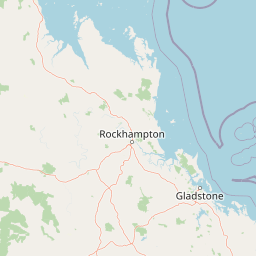
Mount Colosseum has served as a prominent landmark in the Central Queensland landscape for generations, its distinctive dome shape providing orientation and a sense of place for local communities. The area around Miriam Vale has a history of human presence, though the park itself has not been the subject of detailed documentation regarding indigenous heritage or historical cultural use in the available source material.
The volcanic dome's prominence in the landscape has made it a recognisable feature in the regional identity of this part of Queensland. While specific cultural heritage information is not detailed in the source, the landscape clearly holds significance beyond its ecological and geological values.
Top sights and standout views in Mount Colosseum National Park
The standout feature of Mount Colosseum National Park is its dramatic volcanic dome rising to 470 metres, creating a distinctive skyline landmark in Central Queensland. The park protects a unique combination of vegetation communities, from hoop pine-covered upper slopes to ironbark-bloodwood dry rainforest in lower areas. Its undeveloped character offers a rare opportunity to experience a relatively untouched natural landscape in Queensland. The park represents an important example of volcanic landscape conservation in the region.
Best time to visit Mount Colosseum National Park
The park is best visited during cooler months, when temperatures are more comfortable for outdoor exploration. Summer conditions in Central Queensland can be hot and humid, making the experience less pleasant for visitors. The cooler season provides more suitable conditions for walking in the landscape, though visitors should note that no formal walking tracks exist within the park and the terrain can be challenging.