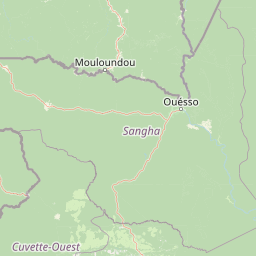
Why Ntokou-Pikounda National Park stands out
Ntokou-Pikounda is best known as one of the most critical great ape habitats in Central Africa, sheltering the largest estimated population of western lowland gorillas in any single protected area. The park's "Green Abyss" moniker captures its character as a vast, pristine expanse of equatorial rainforest that remains largely unexplored and untrammeled. It also supports one of the densest populations of forest elephants in the Congo Basin, a species facing severe pressure across its range. The combination of these flagship species, alongside significant chimpanzee populations and exceptional bird diversity, has positioned the park as a global conservation priority.
Ntokou-Pikounda National Park history and protected-area timeline
Ntokou-Pikounda National Park was officially established on 28 December 2012 when the Congolese Ministerial Council and President Denis Sassou Nguesso adopted the decree creating the protected area. The park's creation was driven primarily by conservation imperatives, specifically the need to protect the region's substantial population of western lowland gorillas, a species classified as critically endangered and facing severe threats from habitat loss, hunting, and disease. The decree represented the culmination of years of advocacy by conservation organizations and scientific assessments documenting the extraordinary biodiversity values of the area. The selection of the park's boundaries reflected detailed surveys of gorilla populations and forest elephant movement patterns, ensuring that the protected area would encompass the core habitats these species require for survival. The park's relatively recent establishment means that conservation management frameworks continue to evolve as authorities balance protection objectives with the needs of local communities.
Ntokou-Pikounda National Park landscape and geographic character
Ntokou-Pikounda occupies a vast expanse of flat to gently rolling terrain typical of the Congo Basin lowlands, characterized by dense tropical rainforest that forms one of the most extensive continuous forest blocks in Central Africa. The landscape features a complex network of river channels, swampy valleys, and terra firma forest that remains largely unmodified by human activity across much of the park's extent. The forest canopy, reaching heights of 40 to 50 meters in places, creates the "Green Abyss" environment that gives the park its evocative nickname, with sunlight filtering through multiple layers of vegetation to create a perpetually dim, atmospheric understory. The equatorial location ensures a hot, humid climate with consistent temperatures throughout the year, supporting the continuous growing season that maintains the forest's year-round verdant appearance.
Ntokou-Pikounda National Park ecosystems, habitats, and plant life
The ecological significance of Ntokou-Pikounda derives from its position within the Congo Basin, one of Earth's most biodiverse regions and a critical global carbon sink. The park protects a remarkable array of habitats, from riverine forests along waterways to swamp forests in low-lying areas and drier terra firma forest on higher ground. This habitat diversity supports extraordinary species richness, with the park's designation as an Important Bird Area by BirdLife International reflecting its significance for avian biodiversity. The forest ecosystem plays a vital role in climate regulation, water cycle maintenance, and carbon sequestration, functions that extend far beyond the park's boundaries to affect the entire Central African region. The relatively intact nature of the forest, free from extensive logging or agricultural conversion that has affected neighboring areas, makes Ntokou-Pikounda particularly valuable for long-term conservation.
Ntokou-Pikounda National Park wildlife and species highlights
Ntokou-Pikounda harbors exceptional populations of Africa's most iconic forest-dwelling mammals, with the western lowland gorilla taking center stage as the park's flagship species. An estimated 15,000 gorillas inhabit the forest, representing a substantial portion of the global population of this critically endangered subspecies and making the park one of the most important great ape refuges in Africa. Forest elephants, numbering approximately 8,000 individuals, move through the forest in herds that follow ancient pathways carved into the vegetation over generations. Chimpanzees, with an estimated population of 950, add to the remarkable primate diversity, while the bird fauna includes numerous species characteristic of Central African rainforest, many of which are restricted to the Congo Basin and found nowhere else on Earth.
Ntokou-Pikounda National Park conservation status and protection priorities
The creation of Ntokou-Pikounda represents a critical contribution to regional conservation efforts, addressing the urgent need to protect viable populations of species that have suffered catastrophic declines across their ranges. Western lowland gorillas have declined by more than 60% over the past quarter-century due to poaching, disease, and habitat destruction, making well-protected areas like Ntokou-Pikounda essential for the species' long-term survival. Forest elephants face similar pressures, with the species experiencing severe population declines throughout the Congo Basin. The park's designation as an Important Bird Area acknowledges the significant populations of bird species that depend on its intact forest habitats. Conservation challenges include managing human-wildlife conflict, addressing poaching threats, and building sustainable relationships with surrounding communities whose activities influence the park's ecological integrity.
Ntokou-Pikounda National Park cultural meaning and human context
The communities surrounding Ntokou-Pikounda number between 25,000 and 30,000 people across multiple villages and towns, representing traditional forest-dwelling populations whose cultural practices and livelihoods are closely tied to the natural environment. These communities have historically relied on the forest for hunting, fishing, gathering, and shifting agriculture, creating a complex relationship between human needs and conservation objectives. The establishment of the park has required careful consideration of how to balance protection requirements with the legitimate needs of local populations, including provisions for sustainable use of certain resources and recognition of traditional land rights. Engagement with these communities is essential for the park's long-term success, as conservation that ignores local needs often proves unsustainable.
Top sights and standout views in Ntokou-Pikounda National Park
Ntokou-Pikounda offers the rare opportunity to experience one of Central Africa's last great wildernesses, where vast tracts of untouched rainforest shelter some of the highest densities of great apes and forest elephants on the continent. The "Green Abyss" character of the park provides an incomparable setting for wildlife observation, with the forest itself becoming a destination rather than merely a backdrop to other attractions. The park's importance for global biodiversity conservation cannot be overstated, as it protects populations of species whose survival depends on the maintenance of large, interconnected forest habitats. For visitors seeking genuine wilderness and the chance to contribute to meaningful conservation, Ntokou-Pikounda represents a frontier destination with extraordinary potential.
Best time to visit Ntokou-Pikounda National Park
The best time to visit Ntokou-Pikounda generally corresponds to the dry season, which typically runs from December to April, offering more accessible trail conditions and somewhat easier wildlife observation opportunities as animals concentrate around remaining water sources. However, the park's equatorial climate means that rainfall occurs throughout the year, and the forest maintains its lush character regardless of season. Visitors should be prepared for consistently hot and humid conditions, with rain possible at any time. The relatively underdeveloped tourism infrastructure means that access and logistics require careful planning, and visits are best organized through operators with established relationships in the region.