Why Pagsanjan Gorge National Park stands out
Pagsanjan Gorge National Park is best known for the dramatic river gorges of the Bumbungan River and the iconic Pagsanjan Falls, a towering waterfall that has been a signature attraction of the Philippines for over a century. The park's distinctive narrow gorges, carved over millennia by the river as it descends from the Sierra Madre mountain foothills, create a dramatic natural corridor lined with tropical vegetation. The experience of riding traditional bamboo rafts through these gorge passages, navigating the river's rapids and under hanging vines, has become one of the country's most recognizable outdoor experiences. The park's historical significance as one of the nation's first protected areas adds to its cultural prominence.
Pagsanjan Gorge National Park history and protected-area timeline
The history of Pagsanjan Gorge National Park reflects the evolution of Philippine environmental protection from the American colonial period through the modern era. The area was first protected in 1904 through Executive Order No. 33, signed by Civil Governor Luke Edward Wright, establishing the Caliraya Falls Reserve covering nearly 5,900 hectares with the original purpose of protecting water power resources from the Caliraya River system. Governor-General William Cameron Forbes reduced the reserve's size in 1913 through Executive Order No. 65, narrowing the protected area to approximately 2,000 hectares. The pivotal transformation came in 1939 when President Manuel Luis Quezon signed Proclamation No. 392, reclassifying the reserve as Pagsanjan Gorge National Park and reducing it to its present size of 152.64 hectares. This reclassification shifted the area's purpose from water resource protection to conservation of the scenic gorge and falls that had become popular with visitors. In 1976, the national park was declared a tourist zone, with administration transferred to the Philippine Tourism Authority, marking a new chapter in which the park's recreational and tourism functions became formally integrated with its conservation mandate.
Pagsanjan Gorge National Park landscape and geographic character
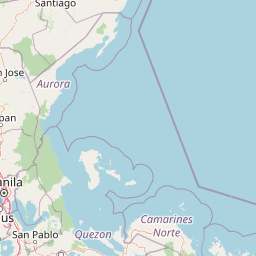
The landscape of Pagsanjan Gorge National Park is defined by the dramatic geomorphology of the Bumbungan River as it cuts through the terrain in a series of narrow, steep-walled gorges. The river originates in the foothills of the Sierra Madre, the Philippines' largest mountain range, and descends rapidly through a valley that progressively narrows into the gorge sections that constitute the park's core. The gorge walls, which rise steeply on either side of the river channel, are clad in tropical vegetation that obscures much of the rock face itself. The river's course includes both calm stretches and rapids, with the final descent into Pagsanjan Falls representing the most dramatic vertical drop. Beyond the gorge corridor, the park encompasses the adjacent riverbanks and surrounding slopes, characterized by rolling terrain and dense vegetation typical of lowland tropical forest in the region.
Pagsanjan Gorge National Park ecosystems, habitats, and plant life
The nature of Pagsanjan Gorge National Park reflects the tropical forest ecosystems of the Laguna province region in central Luzon. The park's vegetation consists primarily of secondary forest, having been influenced by human activity in the surrounding lowland areas over many decades. The river corridor supports riparian vegetation adapted to the alternating wet and dry conditions, while the gorge walls provide microhabitats for moisture-loving plants that thrive in the shaded, humid conditions created by the steep terrain. The Bumbungan River itself sustains aquatic ecosystems adapted to the river's flow patterns, from the calmer pools to the faster-moving sections that create the conditions for the famous rapids. While the park is not designated as a biodiversity hotspot in the same league as some of the Philippines' montane or old-growth forest reserves, it nevertheless provides important habitat for various species adapted to the country's lowland forest environments.
Pagsanjan Gorge National Park wildlife and species highlights
Wildlife in Pagsanjan Gorge National Park reflects the tropical forest and riverine environments of the Laguna region, though comprehensive species documentation for the park is limited in available sources. The forest canopy supports various bird species common to lowland Philippine forests, while the river and its banks provide habitat for fish species and other aquatic organisms. The surrounding agricultural landscapes of Laguna, one of the Philippines' most productive provinces, have influenced the park's ecological character, with many species adapted to partly modified landscapes persisting in the area. The gorges and their shaded walls create microhabitats that support species adapted to the unique conditions of steep-walled river corridors. While not known for exceptional endemism or rare species concentrations, the park contributes to the broader ecological connectivity of the Laguna de Bay watershed.
Pagsanjan Gorge National Park conservation status and protection priorities
Pagsanjan Gorge National Park represents one of the Philippines' earliest conservation initiatives, with its origins in the colonial-period protection of water resources that evolved into a modern protected area focused on scenic and ecological preservation. The park's designation as IUCN Category II reflects its primary mandate as a national park, intended to protect natural ecosystems while allowing for sustainable visitor use. As one of only two protected areas in Laguna province, the park serves a critical conservation function in a region where lowland forest has been extensively modified by agriculture and development. The dual administration by the Department of Environment and Natural Resources and the Philippine Tourism Authority reflects the park's dual role in environmental protection and tourism management, a balance that has defined its operational character since its tourist zone declaration in 1976.
Pagsanjan Gorge National Park cultural meaning and human context
Pagsanjan Gorge National Park holds significant cultural importance in the Philippines, having been a destination of choice for Filipino families and tourists for generations. The experience of floating down the Bumbungan River through the gorges on bamboo rafts, steered by skilled boatmen using long poles, has become deeply embedded in the cultural imagination of the Philippines as an iconic nature experience. The park's proximity to Manila and its inclusion in tours of the southern Tagalog region have made it accessible to a broad cross-section of Filipino society. The municipality of Pagsanjan itself takes its name from the river and falls, with the settlement having developed historically as a gateway to the natural attraction. The relationship between the local communities and the park extends to traditional land uses and the generations of boatmen who have guided visitors through the gorges.
Top sights and standout views in Pagsanjan Gorge National Park
The primary highlight of Pagsanjan Gorge National Park is the experience of traversing the river gorges by traditional bamboo raft, passing through narrow canyon walls draped with tropical vegetation and navigating the gentle rapids that mark the river's descent. Pagsanjan Falls, where the river drops dramatically into a deep pool surrounded by the gorge walls, serves as the dramatic climax of any river journey through the park. The steep-sided gorge corridor itself, with its towering walls and layered vegetation, provides visual drama throughout the river passage. The historical significance of being one of the Philippines' oldest protected areas adds another dimension to a visit, connecting visitors to the country's early conservation heritage. The accessibility of the park from Manila makes it a practical destination for those seeking a nature experience without extensive travel.
Best time to visit Pagsanjan Gorge National Park
The best time to visit Pagsanjan Gorge National Park corresponds to the Philippines' dry season, typically from November through May, when rainfall is reduced and river conditions are more stable for rafting activities. The dry months offer more predictable weather patterns, with lower chances of the heavy rains that can affect river conditions and visibility within the gorges. However, even during the wet season, the park remains accessible, with the tropical greenery at its most lush following periods of rainfall. Year-round temperatures remain warm and consistent given the park's lowland tropical setting, so seasonal temperature differences are minimal. Visitors seeking optimal conditions for the full gorge experience, including photography and comfortable duration on the water, will find the December-to-April period generally most favorable.