

Why Paluma Range National Park stands out
Paluma Range National Park is best known for protecting significant populations of the southern cassowary, a large and flightless bird species classified as vulnerable. The park lies within a formally designated Important Bird Area because it represents a southern outlier for many tropical bird species and contains a significant cassowary population. The park is also renowned for its string of spectacular waterfalls cascading from the Paluma Range, particularly Jourama Falls and Birthday Creek Falls, which are popular visitor destinations. The combination of mountain rainforest, waterfall scenery, and cassowary habitat makes this park a distinctive conservation area in the Australian wet tropics region.
Paluma Range National Park history and protected-area timeline
Paluma Range National Park was established in 1994 as a formal protected area under Queensland state legislation. The park was created to preserve the significant natural values of the Paluma Range, including its unique rainforest ecosystems and the endangered southern cassowary populations. On National Parks Day in March 2010, the Queensland State Government announced a significant expansion of the park, adding 6,510 hectares to the protected area. This expansion strengthened conservation protection for cassowary habitat and improved connectivity within the regional protected area network. The park is managed by the Queensland Parks and Wildlife Service, which conducts ongoing management activities including fire management, invasive species control, and visitor facilities maintenance. The park's establishment reflected growing recognition of the Paluma Range's ecological significance, particularly its role as a southern refuge for tropical species typical of far north Queensland and Papua New Guinea.
Paluma Range National Park landscape and geographic character
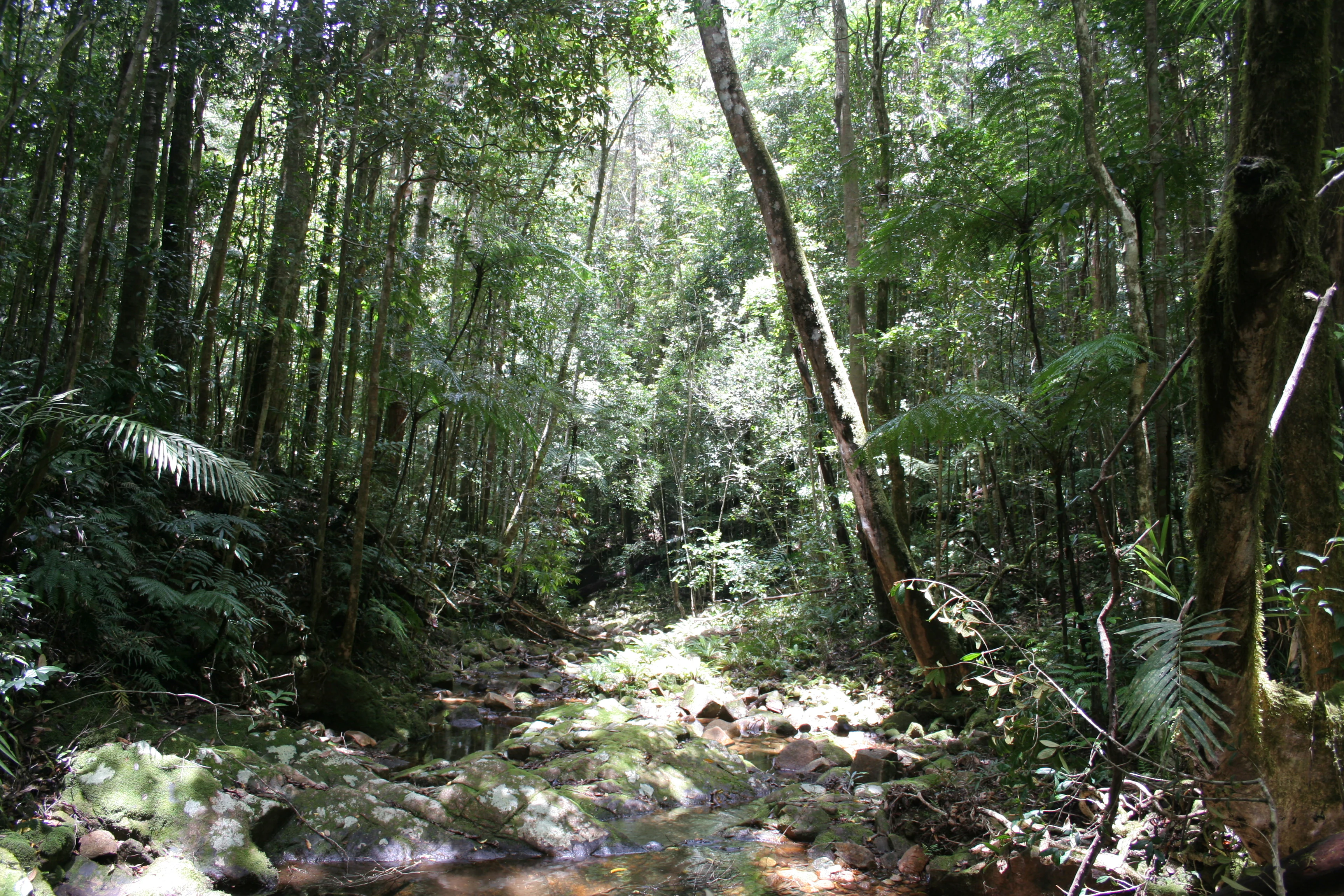
The Paluma Range presents a landscape of rugged mountain terrain rising from the surrounding coastal plains of north Queensland. The range creates a moist barrier that captures moisture from prevailing winds, supporting rainforest and wet forest ecosystems in an otherwise seasonally dry tropical environment. The park's streams and waterfalls represent some of its most scenic features, with Jourama Falls being a major waterfall where water cascades over rocky outcrops into natural pools below. Birthday Creek Falls offers another significant waterfall destination within the park. Crystal Creek provides additional aquatic scenery as it flows through the protected area. Lake Paluma, formed by the Paluma Dam, adds a reservoir element to the park's landscape, surrounded by forested hillslopes. The terrain varies from steep escarpments and ridges to more gentle valley floors where watercourses have carved their courses. Rocky outcrops and exposed granite surfaces are visible throughout the landscape, particularly near waterfall sites where water has shaped the underlying geology.
Paluma Range National Park ecosystems, habitats, and plant life
The Paluma Range National Park protects a remarkably biodiverse area representing the southernmost extent of many tropical species in Australia. Most of the park lies within the Paluma Important Bird Area, formally designated by BirdLife International because of its exceptional bird conservation values. The park's moist rainforest habitats support species more typical of far northern Queensland and tropical regions, making it a southern outpost for biodiversity. The subtropical rainforest that dominates higher elevations features tall trees, dense canopy, and the characteristic epiphytes and vines of wet tropical forests. Wet sclerophyll forest occurs on slopes and ridges where conditions allow. The riparian zones along the park's streams and around Lake Paluma provide additional habitat diversity. This ecological complexity supports numerous species, with the southern cassowary being the most notable conservation priority. The park's position as a biogeographic transition zone adds to its ecological significance, supporting both tropical and temperate species at the overlap of their ranges.
Paluma Range National Park wildlife and species highlights
The southern cassowary is the flagship species of Paluma Range National Park, a large flightless bird that roams the park's rainforest understory. This species is classified as vulnerable due to population declines across its range, and the Paluma population represents a significant southern stronghold. The park's designation as an Important Bird Area reflects its importance for numerous bird species, many at the southern limit of their distributions. The diverse habitats support an array of vertebrate and invertebrate fauna typical of Australian tropical forests. Native marsupials, reptiles, and amphibians occur throughout the park, though specific species details are best obtained from detailed fauna surveys. The water features and surrounding vegetation provide habitat for aquatic species and birds that depend on riparian corridors. The combination of intact forest, water features, and protected status creates conditions favorable for wildlife persistence despite the pressures affecting similar habitats in the broader landscape.
Paluma Range National Park conservation status and protection priorities
Paluma Range National Park serves as a critical protected area within the Queensland conservation estate, with its inclusion in the Paluma Important Bird Area reflecting international recognition of its significance. The park protects the southern cassowary, a species listed as vulnerable under Australian legislation, and provides habitat essential for population persistence. The Important Bird Area designation by BirdLife International acknowledges the site's significance for bird conservation, particularly for species reaching their southern range limits in this area. The 2010 expansion added substantial additional habitat, strengthening the protected area's effectiveness. The park is part of a broader network of protected areas that collectively help maintain biodiversity in the wet tropics region of Queensland. Management focuses on maintaining ecological integrity through fire management, invasive species control, and visitor impact minimization. The park's conservation value is enhanced by its proximity to other protected areas, creating opportunities for landscape-scale biodiversity persistence.
Paluma Range National Park cultural meaning and human context
The Paluma Range area has limited documented information regarding indigenous cultural heritage in the available source material. The traditional land tenure and any historical indigenous connections to the Paluma Range would be documented in more detailed cultural heritage assessments. European settlement of the broader region dates to the nineteenth century, with the area around Paluma becoming a source of water resources through dam construction. The establishment of the national park in 1994 formalized protection of the area's natural values, building on earlier reserves or national park designations that may have existed in the region.
Top sights and standout views in Paluma Range National Park
The southern cassowary remains the park's most distinctive conservation highlight, with visitor opportunities to observe this remarkable bird in its natural rainforest habitat. Jourama Falls represents the park's most accessible and popular scenic attraction, where visitors can experience the dramatic sight of water cascading through rocky landscape. Birthday Creek Falls offers another significant waterfall destination. The Paluma Important Bird Area designation underscores the park's exceptional ornithological significance. Lake Paluma provides a tranquil aquatic setting surrounded by forest. The mountain rainforest environment is distinctive in the regional context, representing a transition between tropical and subtropical ecosystems. The park's 2010 expansion demonstrated ongoing commitment to conservation protection.
Best time to visit Paluma Range National Park
The best time to visit Paluma Range National Park corresponds to the cooler, drier months typically from May through September, when temperatures are more comfortable for hiking and outdoor activities. The wet season from November to April brings higher temperatures, humidity, and rainfall, which can affect trail conditions and visibility but also maintains the waterfalls at their most impressive flows. The park's rainforest environment remains lush year-round due to consistent moisture, though visitor experiences vary with seasonal conditions. Birdwatching opportunities are present throughout the year, though the drier months may offer slightly better visibility along trails. The cassowary, being a year-round resident, can be encountered during any season, though dawn and dusk periods typically offer better wildlife viewing opportunities.