Why Papikonda National Park stands out
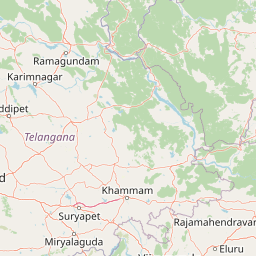
Papikonda National Park is best known for its remarkable biodiversity concentrated along the Godavari River basin in the Eastern Ghats. The park provides habitat for Bengal tigers, Indian leopards, and several endangered species of flora and fauna. Its designation as an Important Bird and Biodiversity Area reflects the presence of numerous bird species, including the black-bellied tern, pale-capped pigeon, and yellow-throated bulbul. The Papi Hills themselves form a distinctive landscape of forested ridges and valleys that create diverse microhabitats within the park boundaries.
Papikonda National Park history and protected-area timeline
Papikonda Wildlife Sanctuary was established in 1978, initially protecting the forested hills and wildlife of the Papi Hills region. The area was recognized for its ecological importance and the presence of significant wildlife populations, including large mammals. In 2008, the protected area was upgraded from wildlife sanctuary to national park status, reflecting the growing recognition of its conservation value and providing stronger legal protections. This designation came after years of wildlife survey and documentation work that confirmed the presence of species such as Bengal tigers and other endangered fauna. The park's boundaries were further affected by the construction of the Polavaram Dam, which reshaped the regional landscape and necessitated administrative realignment of the protected area.
Papikonda National Park landscape and geographic character
The landscape of Papikonda National Park is characterized by the rolling hills of the Eastern Ghats, with elevations ranging from 20 meters in the river valleys to 850 meters on the higher ridges. The Godavari River flows through the park, creating a major riparian corridor that influences the distribution of habitats and wildlife. The terrain includes steep slopes, rocky outcrops, and forested valleys that provide diverse microclimates and ecological niches. The annual rainfall of approximately 1,168 millimeters supports the forest ecosystems that cover most of the park area. The Papi Hills form a visually distinctive landscape, with densely forested slopes descending toward the Godavari floodplain.
Papikonda National Park ecosystems, habitats, and plant life
The ecological character of Papikonda National Park is defined by its position in the Eastern Ghats and the presence of the Godavari River. The vegetation consists of moist deciduous and dry deciduous forest types, with tree species including Pterocarpus marsupium, Terminalia elliptica, Terminalia arjuna, Adina cordifolia, Sterculia urens, Mangifera indica, and Anogeissus latifolia. These forest types support complex ecological communities and provide crucial habitat for both forest-dwelling and migratory species. The combination of forest habitats and the river corridor creates a mosaic of ecosystems that supports high biodiversity. The park's designation as an Important Bird and Biodiversity Area acknowledges the significance of these habitats for bird populations.
Papikonda National Park wildlife and species highlights
Papikonda National Park supports a diverse mammalian fauna that includes several species of conservation concern. Large predators present in the park include Bengal tigers and Indian leopards, while smaller carnivores include the rusty-spotted cat, jungle cat, leopard cat, sloth bear, and various civet species. The ungulate community includes spotted deer, sambar deer, Indian muntjac, Indian spotted chevrotain, gaur, nilgai, and four-horned antelope. The park is notable for supporting populations of both rhesus macaques, typically found north of the Godavari, and bonnet macaques, usually found south of the river, making it a zone of ecological overlap. Bird diversity is highlighted by the park's Important Bird and Biodiversity Area status, with species including the black-bellied tern, pale-capped pigeon, yellow-throated bulbul, Oriental darter, and Malabar pied hornbill. Reptiles include the Indian golden gecko, endemic to the Eastern Ghats, and king cobras.
Papikonda National Park conservation status and protection priorities
Papikonda National Park serves as a critical conservation area within the Eastern Ghats, one of India's major mountain ranges and a biodiversity hotspot. The park's designation as an Important Bird and Biodiversity Area recognizes its global significance for bird conservation. It protects habitat for endangered species including Bengal tigers and provides connectivity between forest patches in the Godavari region. However, the park faces significant threats from poaching, forest fires, and agricultural encroachment. The construction of the Polavaram Dam has fundamentally altered the hydrology and ecology of the region, creating ongoing challenges for conservation management. The presence of both rhesus and bonnet macaques suggests the park may serve as a biogeographic transition zone of particular evolutionary significance.
Top sights and standout views in Papikonda National Park
The Papi Hills landscape, the Godavari River corridor, the presence of Bengal tigers and Indian leopards, the Important Bird and Biodiversity Area designation, the mix of moist and dry deciduous forests, the biogeographic overlap zone for primate species, and the endemic Indian golden gecko represent the standout features of Papikonda National Park.
Best time to visit Papikonda National Park
The ideal time to visit Papikonda National Park is during the cooler, dry months from October through March when weather conditions are most comfortable for outdoor exploration. The post-monsoon period from October to November offers lush green landscapes following the seasonal rains, while the winter months provide comfortable temperatures for wildlife viewing. The summer months from April to June can be extremely hot and may limit outdoor activities, though this period may offer better opportunities for spotting wildlife near remaining water sources.