
Why Ravensbourne National Park stands out
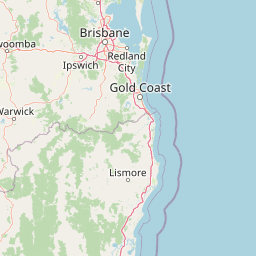
Ravensbourne National Park is best known for preserving small but significant remnants of rainforest and wet eucalypt forest on the Great Dividing Range, ecosystems that once covered this part of Queensland but have been extensively cleared for agriculture. The park's exceptional bird diversity, with over 80 species recorded, makes it notable for birdwatching and ornithological interest. Its location on the range overlooking the Lockyer Valley provides scenic values, while the presence of four rare or threatened species underscores its conservation importance despite the park's modest size.
Ravensbourne National Park history and protected-area timeline
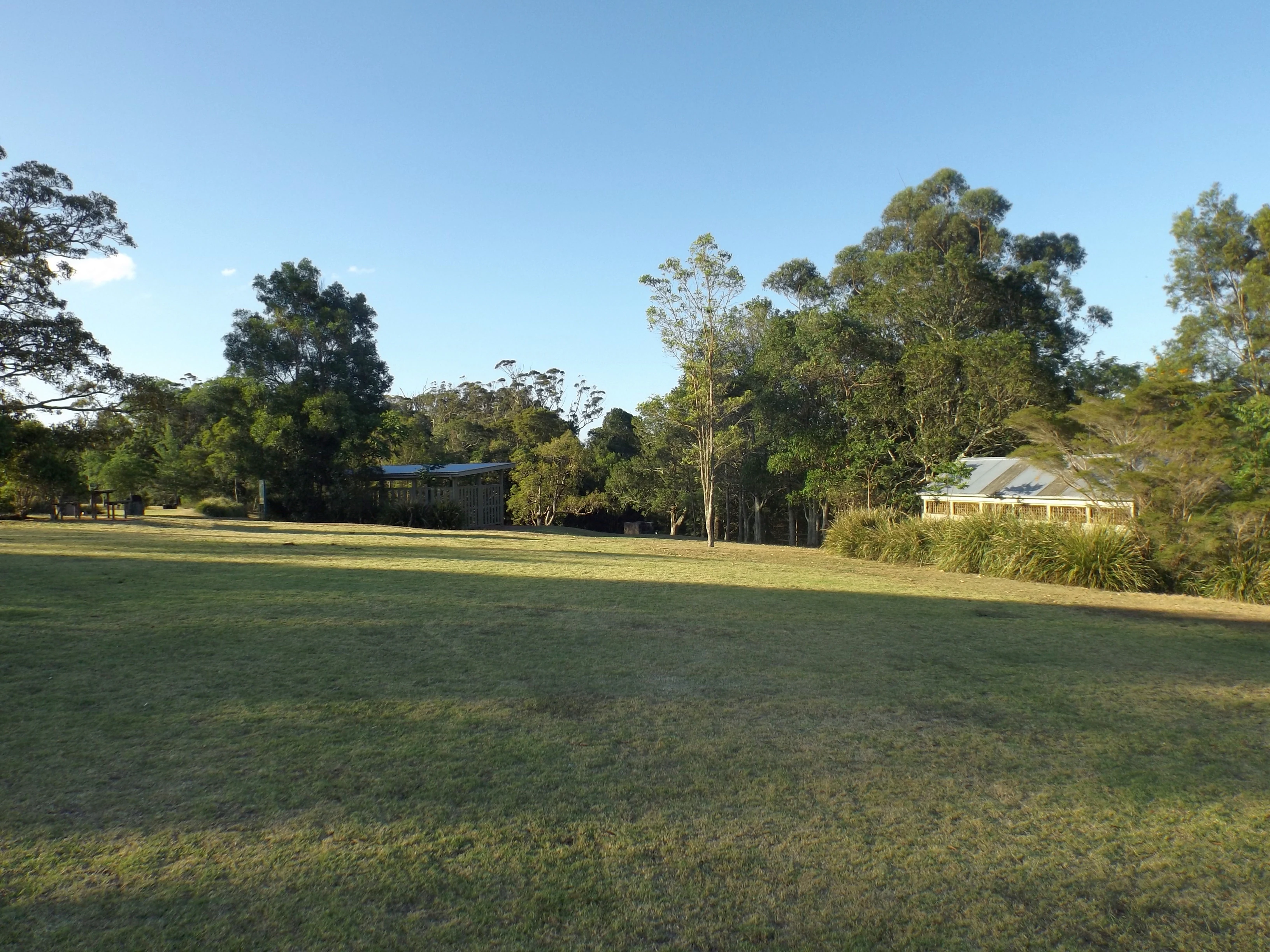
Ravensbourne National Park was established in 1922, placing it among the earliest national parks in Queensland and reflecting a period when the state began systematic reservation of significant natural areas. The establishment of the park occurred during an era of growing recognition that the unique forests of the Great Dividing Range warranted protection against the accelerating land clearing occurring throughout South East Queensland. The park was created to preserve the scenic and ecological values of this section of the range, which forms a natural dividing line between the Brisbane River basin and the Lockyer Creek system. Management of the park falls to the Queensland Parks and Wildlife Service, which continues to oversee conservation of its forest communities and visitor access facilities.
Ravensbourne National Park landscape and geographic character
The landscape of Ravensbourne National Park is characterised by undulating terrain on the western slopes of the Great Dividing Range, with elevations that place it in the montane elevation band of South East Queensland. The park's position on the range creates an environment of moderate relief, with slopes and ridgelines that channel drainage toward either the Brisbane River catchment to the east or the Lockyer Creek catchment to the west. The contrast between the red soils of the western areas and the sandy soils of the east creates subtle but noticeable differences in the forest character across the park. The park overlooks the Lockyer Valley to the west, providing visitors with views across this agricultural valley from various points within the protected area. The forest canopy, whether in the rainforest remnants or the open eucalypt forest, forms an essential visual and ecological component of the landscape character.
Ravensbourne National Park ecosystems, habitats, and plant life
The nature of Ravensbourne National Park revolves around two primary forest communities that represent what once covered much of this part of the Great Dividing Range. The wet eucalypt forest and rainforest remnants preserved within the park contain species including various eucalypts, palms, vines and ferns that thrive in the moister conditions retained by the red soils in the western sections. This rainforest community represents a vegetation type that has been extensively cleared from the surrounding lowlands and lower slopes, making the park's remnants increasingly significant for biodiversity conservation. The open eucalypt forest on the sandy eastern soils represents a more fire-tolerant community that grades into the surrounding rural landscapes. Together, these forest types support a diversity of wildlife despite the park's relatively small size, with the intact forest canopy and relatively undisturbed understory providing habitat for species that cannot survive in the fragmented agricultural landscape surrounding the reserve.
Ravensbourne National Park wildlife and species highlights
Ravensbourne National Park supports notable wildlife diversity, particularly for birds, with over 80 species recorded within its boundaries. This avian richness reflects the variety of forest habitats present, from the more densely vegetated rainforest areas to the more open eucalypt forest. Four rare or threatened species have been identified in the park, highlighting its conservation significance beyond what its small size might suggest. The forest communities provide breeding habitat, foraging resources and shelter for both resident bird species and seasonal migrants. The presence of threatened species indicates that the park serves as an important refuge in a landscape where native vegetation has been heavily cleared, functioning as a stepping stone or core area for species dependent on old-growth forest elements.
Ravensbourne National Park conservation status and protection priorities
The conservation significance of Ravensbourne National Park derives from its role in preserving remnants of forest types that have suffered extensive clearance across South East Queensland. The rainforest and wet eucalypt forest communities within the park represent ecosystems that once covered substantial portions of the Great Dividing Range in this region but now exist only in fragmented patches. By maintaining these forest communities, the park contributes to watershed protection for both the Brisbane River and Lockyer Creek catchments, with the vegetation helping to regulate water flow and filter runoff. The presence of four rare or threatened species within such a modest area underscores the park's disproportionate conservation value, as these species rely on the intact forest habitat that the park maintains. As one of Queensland's older national parks established in 1922, Ravensbourne represents an early recognition of the need to preserve representative samples of the state's natural landscapes.
Ravensbourne National Park cultural meaning and human context
Ravensbourne National Park takes its name from the nearby locality of Ravensbourne, a small community situated in the Ravensbourne and Buaraba district of South East Queensland. The park lies within the traditional landscape of the Lockyer Valley region, an area with Aboriginal heritage extending back thousands of years. While the park's management documentation does not extensively detail indigenous cultural associations, the broader Lockyer Valley contains significant Aboriginal sites and cultural places. The European settlement of the Ravensbourne area occurred in the nineteenth century, with the establishment of the national park in 1922 reflecting early conservation values in the region. The park's name connects it to the local community and the historical settlement pattern of this part of the Great Dividing Range.
Top sights and standout views in Ravensbourne National Park
The highlights of Ravensbourne National Park include its preserved rainforest and wet eucalypt forest remnants on the Great Dividing Range, a landscape context that provides both ecological and scenic values. The Gus Beutel Lookout offers visitors panoramic views across the Lockyer Valley, making the park a destination for those seeking to appreciate the relationship between the range and the valley below. The birdlife, with over 80 species recorded, represents a significant draw for ornithologists and nature enthusiasts, particularly given the presence of rare or threatened species within the park. The diversity of forest types, shaped by differing soil conditions across the park, provides ecological interest and demonstrates how local geology influences vegetation patterns. The park's establishment in 1922 gives it historical significance as one of Queensland's pioneering national parks.
Best time to visit Ravensbourne National Park
The best time to visit Ravensbourne National Park depends on the experience sought, but the cooler months of autumn and winter in Queensland, from April through September, generally offer comfortable conditions for walking and nature observation in the park. During these seasons, the forest environments are typically pleasant for exploring the walking tracks, and bird activity remains good as species go about their daily activities. The spring period from September to November brings warmer temperatures and can offer excellent birdwatching as breeding activity peaks and migratory species return. Summer months, from December to March, can be hot and may see reduced activity during the hottest parts of the day, though early morning visits can still be rewarding. The park's forest environment provides shade that makes walking more comfortable during warmer periods, but visitors should be prepared for the seasonal conditions typical of South East Queensland.