
Why San Guillermo National Park stands out
San Guillermo National Park is best known as a premier vicuña conservation area in Argentina. The species, prized for its fine wool, prompted the establishment of the broader biosphere reserve in 1980, making wildlife protection the central mission of this high-altitude protected area. The park's Andean condor population, cougar ecosystem, and the presence of the rare Andean mountain cat further distinguish it as a significant conservation landscape in the southern Andes.
San Guillermo National Park history and protected-area timeline
The protection of San Guillermo began in 1972 when the area received provincial reserve status, recognizing the ecological importance of the vicuña populations in the high Andes of San Juan Province. In 1980, the region was elevated to biosphere reserve status under the UNESCO Man and the Biosphere Programme, expanding the conservation framework to include the broader landscape and its ecological processes. The national park designation followed in 1998 (officially established January 13, 1999), providing the highest level of legal protection for the core conservation area. This progression from provincial reserve to biosphere reserve to national park reflects Argentina's commitment to preserving this distinctive Andean ecosystem while also enabling ongoing research and monitoring activities.
San Guillermo National Park landscape and geographic character
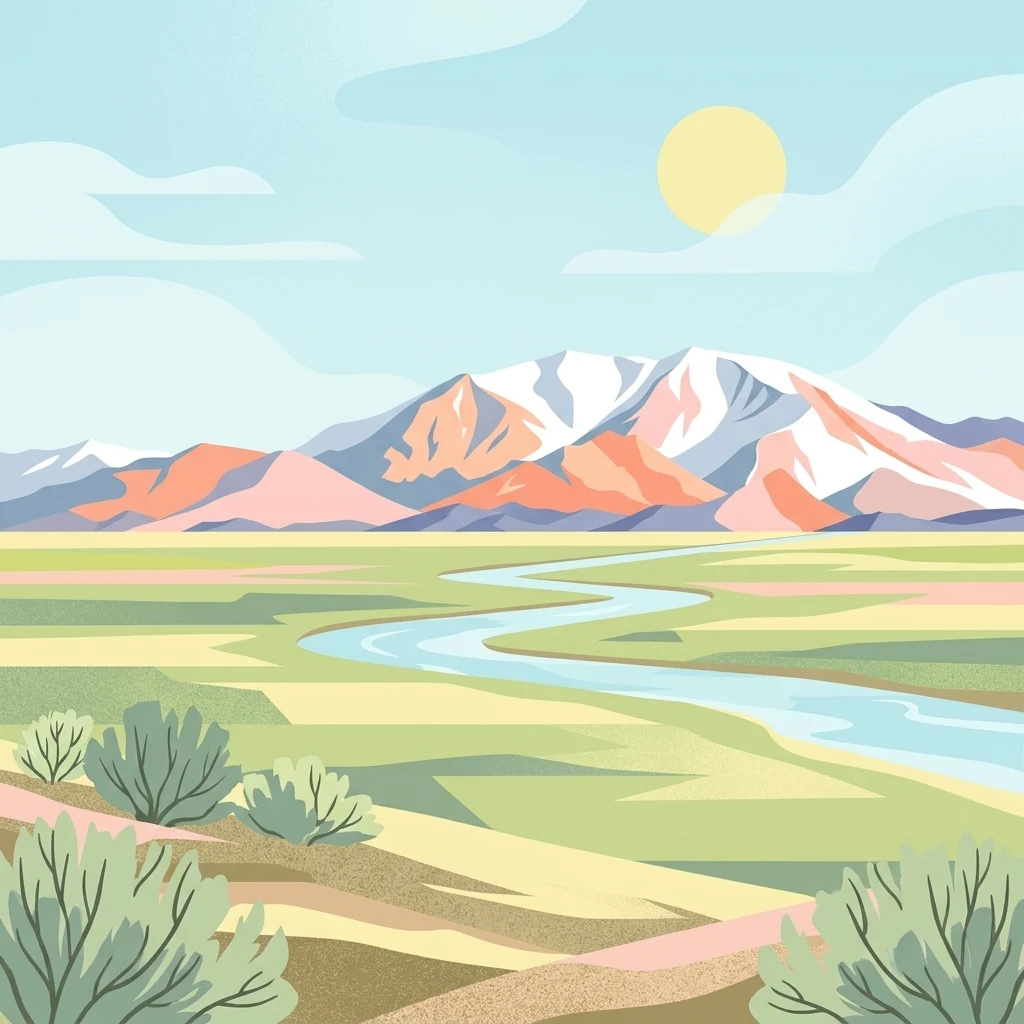
The terrain of San Guillermo National Park exemplifies the harsh beauty of the high Andes. Arid mountain ranges dominate the landscape, characterized by rocky, coarse soils and the absence of permanent water courses. Above approximately 3,500 metres, the terrain supports puna grassland ecosystems where steppe vegetation creates patches of green amid the otherwise barren desert environment. The elevation range from 2,100 to 6,380 metres encompasses multiple ecological zones, from lower grassland communities to alpine terrain near the summits. Scattered wetlands, though limited in extent, provide crucial habitat islands within the otherwise dry landscape. The combination of extreme elevation, aridity, and rugged topography defines this distinctive mountain environment.
San Guillermo National Park ecosystems, habitats, and plant life
The ecological character of San Guillermo reflects the harsh conditions of the high-altitude Andes. Vegetation consists primarily of scattered dwarf shrubs interspersed with coarse grasses and herbaceous plants, leaving much of the ground bare. Key shrub species include Adesmia, Parastrephia, Fabiana, Azorella, and Ephedra, while prominent grasses include Stipa, Calamagrostis, and Festuca. Flowering plants such as Astragalus, Tropaeolum, Phacelia, and Glandularia add seasonal color to the landscape. The puna grassland ecosystem represents a specialized habitat adapted to cold, dry conditions, strong winds, and intense solar radiation at high elevation.
San Guillermo National Park wildlife and species highlights
San Guillermo National Park supports a remarkable assembly of Andean wildlife, anchored by the vicuña which was the primary catalyst for conservation in the region. Guanaco populations share the grasslands with their smaller relative, while the predator guild includes culpeo foxes, Andean mountain cats, and cougars as the top predator. The Andean condor soars above the mountain landscape, while other mammals include southern viscacha and the endangered short-tailed chinchilla. Birdlife features Darwin's rhea along with various ducks and geese that utilize the wetland areas. This high-altitude fauna community represents one of the most intact Andean ecosystems in Argentina.
San Guillermo National Park conservation status and protection priorities
The establishment of San Guillermo as a national park and biosphere reserve reflects its exceptional conservation significance, particularly for vicuña protection. The species was historically decimated by hunting for its wool, and the creation of protected areas provided essential refuge populations. The biosphere reserve model enables conservation while allowing for sustainable use of surrounding lands, creating a buffer zone that benefits both wildlife and local communities. Ongoing research using GPS radio collars on cougars and vicuñas provides valuable ecological data about predator-prey dynamics and how vegetation communities respond to grazing pressure and predator activity. Plans to collar Andean condors will further enhance understanding of ecosystem processes.
San Guillermo National Park cultural meaning and human context
While the primary focus of San Guillermo National Park is natural heritage, the protected area exists within a broader landscape where local communities in San Juan Province maintain traditional relationships with the land. The high Andes have long supported pastoral activities, and the establishment of the park and biosphere reserve has helped regulate land use while preserving both ecological and cultural values of the region.
Top sights and standout views in San Guillermo National Park
San Guillermo National Park offers exceptional opportunities to observe vicuñas in their natural high-altitude habitat, one of the few places in Argentina where these graceful animals thrive under full protection. The presence of cougars as top predators, studied through ongoing radio-collar research, makes the park significant for understanding Andean predator-prey dynamics. The landscape of rugged peaks, puna grasslands, and scattered wetlands against the stark Andean backdrop creates a distinctive wilderness experience. The park's role within the larger biosphere reserve provides a model for integrated conservation that extends protection beyond the core national park boundaries.
Best time to visit San Guillermo National Park
The high-altitude location of San Guillermo means visitors should be prepared for significant temperature variations and harsh conditions regardless of season. Summer months in the Southern Hemisphere (December to March) offer the warmest conditions but also correspond to the rainy season in this region. The dry winter months (June to August) bring clearer skies but colder temperatures at these elevations. The park's remote location and limited infrastructure mean that visits require careful planning and awareness of the challenging Andean environment.