

Why Inani National Park stands out
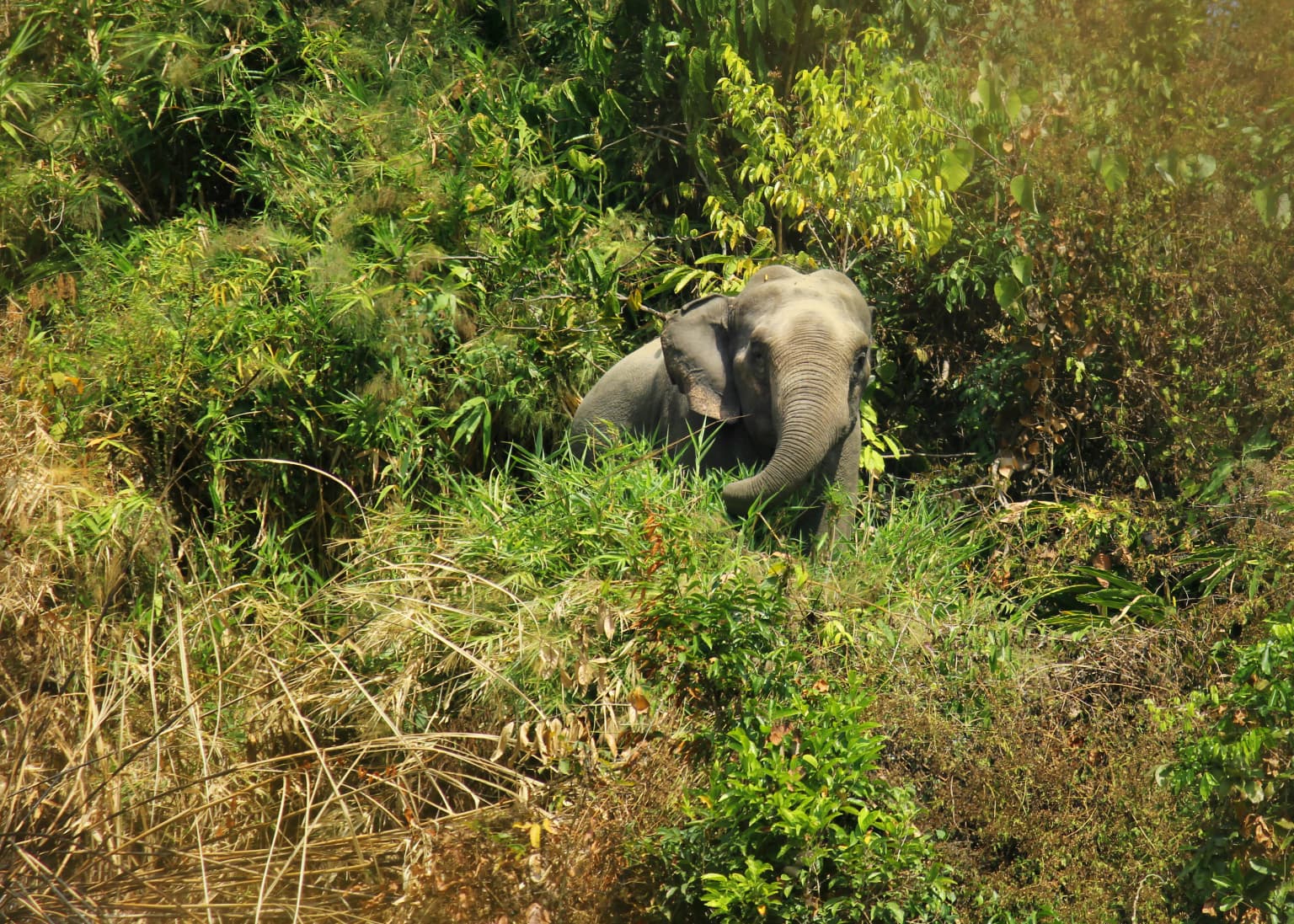
Inani National Park is best known for its Asian elephant population, which represents one of the key wildlife conservation values of the park. The coastal forest ecosystem that spans much of the protected area distinguishes it from other national parks in Bangladesh, most of which feature mangrove, wetland, or hill forest environments. The park's location within the Inani reserved forest range provides a continuous stretch of forested habitat that supports not only elephants but also numerous other species that rely on this coastal forest habitat. The relatively recent establishment as a national park (2019) also marks it as one of the newer protected areas in Bangladesh's conservation estate.
Inani National Park history and protected-area timeline
Inani National Park was officially declared as a national park by the Government of Bangladesh on 9 July 2019, marking its formal inclusion in the country's national park system. Prior to this designation, the area existed as the Inani reserved forest, a protected forest area managed under Bangladesh's forest conservation framework. The park was originally named after Sheikh Jamal, the second son of Sheikh Mujibur Rahman, who was Bangladesh's first president and founding leader. Following significant political changes in Bangladesh in 2024, specifically the fall of the Hasina regime, the park's name was modified to remove the reference to Sheikh Jamal. This renaming reflected a broader reassessment of how public spaces and protected areas in Bangladesh were named and commemorated. The transition from reserved forest status to national park designation represented an elevation in the level of protection and recognition afforded to this coastal forest area, bringing with it enhanced conservation mandates and management frameworks.
Inani National Park landscape and geographic character
The landscape of Inani National Park is characterized by coastal forest vegetation that covers rolling terrain within the southeastern coastal region of Bangladesh. The park lies within the Inani reserved forest range, which features a mix of forest types adapted to the coastal environment. The terrain in this part of Cox's Bazar District is relatively undulating compared to much of Bangladesh's generally flat deltaic landscape, though the elevations remain modest. The forest canopy within the park provides a distinct green landscape that contrasts with the more commonly associated agricultural and wetland scenery of rural Bangladesh. The park's location near the Bay of Bengal influences its environmental character, bringing coastal climatic conditions including higher humidity and the effects of monsoonal rainfall patterns that shape the vegetation and overall landscape appearance.
Inani National Park ecosystems, habitats, and plant life
The natural environment of Inani National Park is defined by its coastal forest ecosystem, which represents a distinct habitat type within Bangladesh's ecological framework. The forest supports a range of plant species adapted to the coastal conditions, including the moisture-loving vegetation typical of this region of South Asia. Beyond the forest's botanical value, the area serves as important habitat for numerous wildlife species, with the Asian elephant being the most prominent conservation priority. The coastal forest environment provides elephants and other wildlife with food sources, shelter, and movement corridors that are essential for their survival. The park's ecosystem services extend beyond wildlife habitat to include watershed protection, carbon storage, and soil conservation functions that benefit the broader landscape.
Inani National Park wildlife and species highlights
Inani National Park is home to a population of Asian elephants, the flagship species of the protected area and the primary focus of conservation attention. Asian elephants are endangered throughout their range, and populations in Bangladesh face particular pressures from habitat loss, human-wildlife conflict, and fragmentation of their habitats. The park's forest environment provides crucial habitat for these elephants, offering both feeding grounds and movement corridors. Beyond elephants, the coastal forest supports a variety of other wildlife species, though detailed species inventories specific to the park are limited in the available source material. The broader Cox's Bazar region is known for its biodiversity, and the Inani reserved forest has historically served as a refuge for wildlife in this populated coastal area.
Inani National Park conservation status and protection priorities
The designation of Inani National Park in 2019 represented a significant conservation achievement for Bangladesh, formalizing protection for an important coastal forest area and its resident wildlife. The elevation of the Inani reserved forest to national park status brought additional regulatory protections and management attention to the area. For Asian elephant conservation specifically, the park provides critical habitat in a country where elephant populations are scattered and face significant threats. The protected area status helps buffer against habitat degradation and fragmentation that could otherwise threaten the elephant population and other forest-dependent species. Bangladesh's national park system forms a cornerstone of the country's approach to biodiversity conservation, and Inani National Park contributes to the representativeness of this network by including a coastal forest habitat that is less common among the country's other protected areas.
Inani National Park cultural meaning and human context
The area now known as Inani National Park has historical roots in the Inani reserved forest, which has been a feature of the Cox's Bazar region for many decades. The region around Ukhia Upazila is home to communities that have lived in proximity to these forest areas, with traditional relationships to the land and its resources. The original naming of the park after Sheikh Jamal reflected Bangladesh's tradition of commemorating founding leaders and their families through place names, a common practice in the country. The subsequent renaming of the park in 2024 following the fall of the Hasina regime illustrates how political history continues to shape the naming and identity of places throughout Bangladesh.
Top sights and standout views in Inani National Park
Inani National Park stands out within Bangladesh's protected area network for several reasons. Its coastal forest environment is relatively uncommon among the country's national parks, most of which feature other habitat types. The presence of a viable Asian elephant population gives the park significant conservation importance, as these endangered animals occupy only fragmented habitats across Bangladesh. The park's establishment in 2019 makes it one of the newer national parks in the country, representing Bangladesh's continued investment in expanding its conservation estate. The Inani reserved forest history provides a foundation of forest protection that the national park designation has built upon.
Best time to visit Inani National Park
The optimal time to visit Inani National Park aligns with Bangladesh's cool, dry winter season from November through February, when temperatures are more comfortable for outdoor exploration and rainfall is minimal. The monsoon season from June through September brings heavy rainfall to the Cox's Bazar region, which can limit accessibility and make forest visits more difficult. The pre-monsoon spring months (March through May) feature warming temperatures and increasing humidity before the rains arrive. Visitors interested in wildlife viewing should note that elephants and other wildlife may be more active during cooler parts of the day, particularly in early morning and late afternoon.