Why Simbalbara National Park stands out
Simbalbara National Park is best known for its extensive sal forest coverage and its role as a habitat for tigers and other large mammals in the Himalayan foothills. The park protects a representative sample of the sal-dominated forest ecosystems found in the lower Himalayan region, with the dense tree canopy and grassy glades creating ideal conditions for wildlife. The presence of species such as goral, sambar deer, chital, and tigers distinguishes this protected area within Himachal Pradesh's network of national parks. Additionally, the park supports significant birdlife including several species of hornbills, raptors, and water-associated birds around the perennial stream.
Simbalbara National Park history and protected-area timeline
The Simbalbara area was first designated for formal protection in 1958, when it was established as the Simbalbara Wildlife Sanctuary covering an initial area of 19.03 square kilometers. This early protected area status recognized the ecological significance of the Kiyarda Dun valley and its sal forest ecosystem. The sanctuary remained under wildlife protection management for over five decades, preserving the forest habitat and the wildlife populations within it. In 2010, the protected area underwent a significant upgrade in status when an additional 8.88 square kilometers were incorporated and the area was redesignated as Simbalbara National Park, bringing the total protected area to approximately 27.88 square kilometers. This elevation from sanctuary to national park status reflects the increased conservation priority given to the area and provides stronger legal protections for the forest and wildlife within its boundaries. The park is also known as Colonel Sher Jung National Park, a name that appears in some official and regional references.
Simbalbara National Park landscape and geographic character
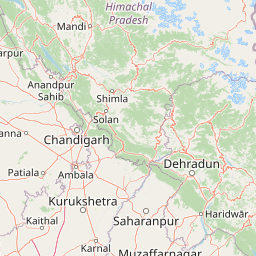
The landscape of Simbalbara National Park is defined by the Kiyarda Dun valley, a valley formation in the lower Himalayan foothills of Sirmour District. The terrain features a mix of dense forest-covered slopes and open grassy areas known as glades, creating a varied topography within the park boundaries. The valley floor contains a perennial stream that provides year-round water availability, supporting the forest ecosystem and the wildlife dependent on it. The surrounding terrain rises into forested hills that form the valley's edges, with the overall setting characterized by the transition between Himalayan mountain terrain and the more gently undulating landscapes of the northern Indian plains. The forest cover is predominantly sal, a tropical hardwood species that forms dense canopy in the lower elevations, while the grassy glades provide open spaces within the forest matrix.
Simbalbara National Park ecosystems, habitats, and plant life
The ecological character of Simbalbara National Park is shaped by its sal forest-dominated vegetation, which represents a significant forest type in the Himalayan foothills. The principal canopy species include sal (Shorea robusta) and Terminalia elliptica, forming the upper canopy layer across much of the park. Along the riverine areas, additional tree species including eucalyptus, jamun (Syzygium cumini), and Senna siamea occur, creating more diverse habitat zones near the watercourse. The combination of dense forest and open grassy clearings creates a mosaic of habitats that supports various wildlife species. The presence of a perennial stream adds a wetland component to the ecosystem, providing water sources and supporting riparian vegetation that adds to the overall biodiversity of the protected area.
Simbalbara National Park wildlife and species highlights
Simbalbara National Park supports a range of mammalian species characteristic of Himalayan foothills forests. Large mammals found in the park include tigers, goral, sambar deer, and chital (spotted deer), representing the park's most notable megafauna. Other mammalian herbivores present include nilgai, wild boar, porcupines, barking deer (muntjac), and rhesus macaques. The avian fauna includes several notable species, with three hornbill species recorded within the park, along with Indian rollers, dollarbirds, and various kingfisher species. Raptors present in the area include crested serpent eagles, Brahminy kites, and long-billed vultures, providing bird-of-prey diversity. The mixture of forest, grassland, and water habitats supports this wildlife community throughout the year.
Simbalbara National Park conservation status and protection priorities
Simbalbara National Park functions as a protected area within India's national park system, designated under IUCN Category II for national park protection. The park contributes to conservation of the sal forest ecosystem, which has faced pressure from logging and agricultural expansion across its historical range in the Himalayan foothills. By protecting a representative area of this forest type, the park helps maintain habitat for species including tigers, which are flagship predators for conservation in India. The elevation from wildlife sanctuary to national park status in 2010 reflects the conservation significance of the area and provides enhanced protection mechanisms for the ecosystem. The park also contributes to Himachal Pradesh's protected area network, which aims to preserve the state's ecological diversity across different altitude zones and forest types.
Simbalbara National Park cultural meaning and human context
The park is located in Sirmour District, a region within Himachal Pradesh that has historical connections to various hill kingdoms and ruling families of the Himalayan area. The alternate name of Colonel Sher Jung National Park suggests a historical association with military or colonial-era figures in the region, though detailed cultural history of the park area is limited in the available sources. The nearest village to the park is Palhori, located opposite the Simbalbara area, representing the local communities who have historical connections to the landscape. The region around the park has been inhabited for generations, with the forest areas traditionally used for timber, grazing, and other livelihood activities before formal protection was established.
Top sights and standout views in Simbalbara National Park
The dense sal forests of Simbalbara National Park represent one of the park's most distinctive features, covering the valley slopes and creating a substantial canopy. The tiger population in the park makes it significant within India's wildlife conservation framework, as tigers remain a priority species for protection across the country's protected areas. The presence of three hornbill species distinguishes the birdlife of this park, as hornbills are notable birds associated with forest habitats. The grassy glades within the forest create open viewing areas where wildlife can be observed, particularly during the winter months when animals frequent the more open areas. The park's location in the Himalayan foothills provides scenic landscape value, with the valley setting offering views of surrounding forested hills.
Best time to visit Simbalbara National Park
October and November are identified as the optimal months for visiting Simbalbara National Park, during which the weather conditions and wildlife activity patterns provide favorable conditions for exploration. These autumn months follow the monsoon season, when the landscape is lush from rainfall but the vegetation begins to thin slightly, improving wildlife visibility. The cooler temperatures of late autumn make comfortable for walking trails through the forest and adjoining areas. The post-monsoon period also brings animals to the water sources along the perennial stream as other water sources dry up, increasing wildlife viewing opportunities. Visitors planning trips during this period should note that the park's accessibility may vary with seasonal road conditions in the Himalayan region.