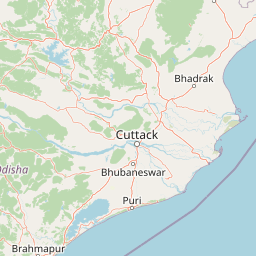

Why Simlipal National Park stands out
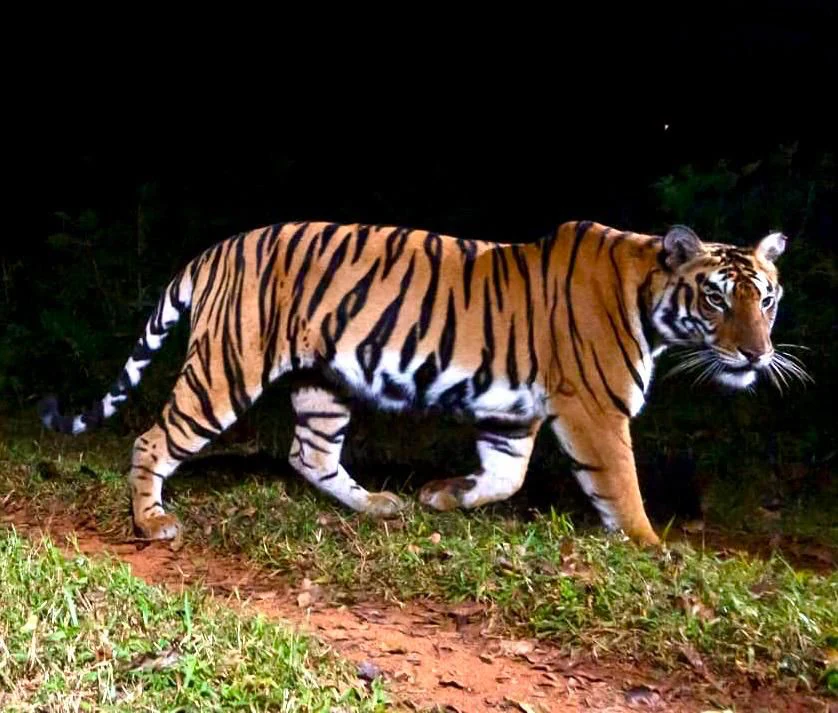
Simlipal National Park is best known for its population of pseudo-melanistic tigers, a rare genetic phenomenon where tigers display predominantly black coats instead of the typical orange with black stripes. This trait affects approximately 37% of the park's tiger population and has attracted significant scientific interest due to the genetic isolation of Simlipal's tigers from other tiger populations in India. The park is also recognized for its role as a critical elephant habitat within the Mayurbhanj Elephant Reserve and for its designation as a UNESCO Biosphere Reserve, placing it among India's select group of internationally recognized protected areas. The stunning waterfalls of Barehipani and Joranda, among the tallest in Odisha, further distinguish this park as a destination of both ecological and scenic significance.
Simlipal National Park history and protected-area timeline
Simlipal's history as a protected area begins with its origins as a royal hunting ground during the rule of local kingdoms. The formal protection journey began in May 1973 when the area was designated as a tiger reserve under Project Tiger, India's flagship conservation initiative. The Government of Odisha declared Simlipal a wildlife sanctuary in 1979 with an initial area of approximately 2,200 square kilometers. In 1980, the state government proposed designating 303 square kilometers as a national park, and by 1986, the national park area was expanded to 845.70 square kilometers. The Government of India declared Simlipal a biosphere reserve in 1994, and UNESCO added it to the World Network of Biosphere Reserves in May 2009. A significant development in the park's management occurred in December 2013 when 32 families from the Kharia tribe were relocated from the core area, followed by the relocation of Jamunagarh village in September 2015. These efforts aimed to reduce human-wildlife conflict and allow the core area to function more effectively as tiger habitat. In 2024, conservationists introduced two female tigers from Tadoba-Andhari Tiger Reserve to address genetic diversity concerns in the isolated population.
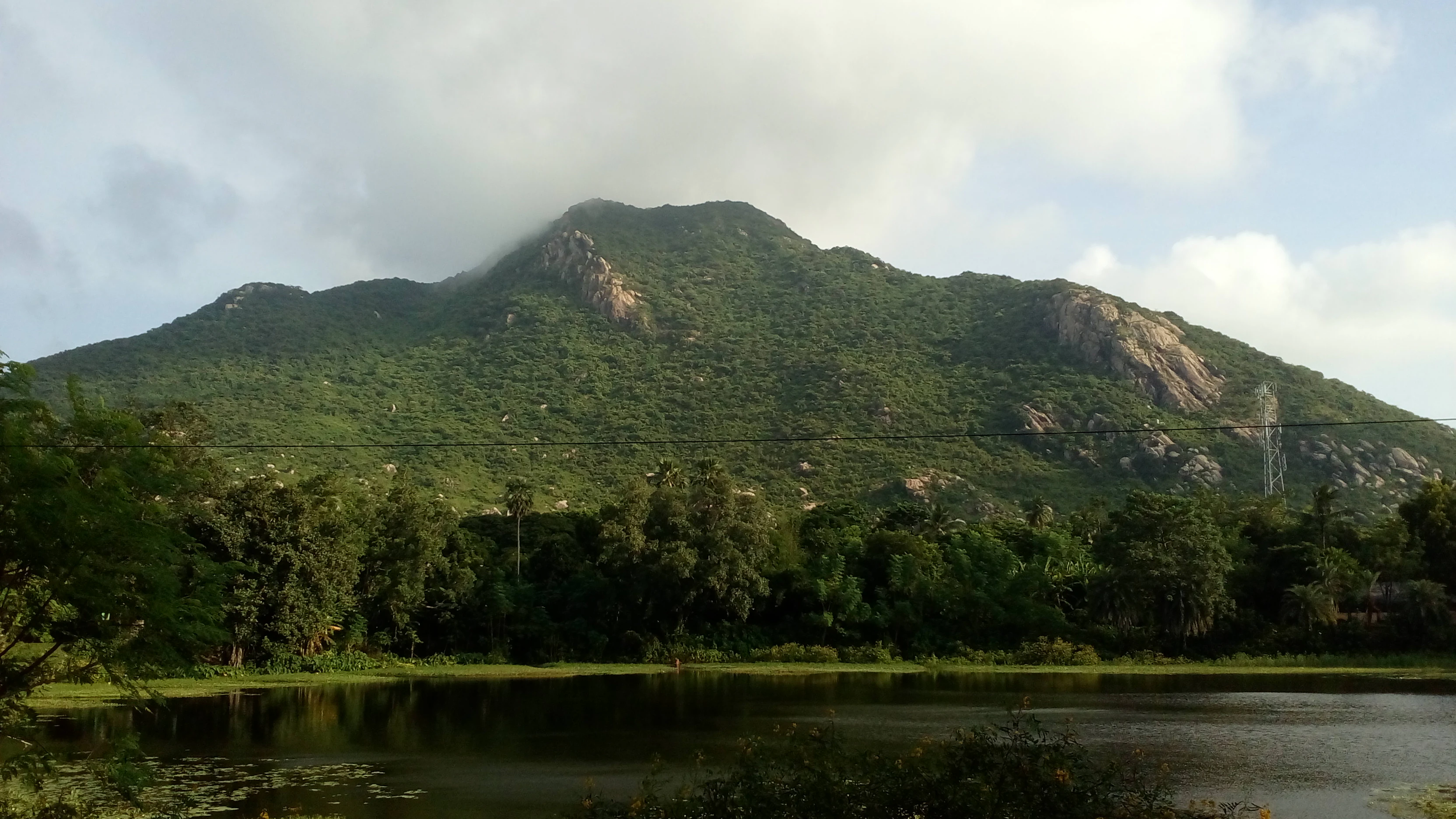
Simlipal National Park landscape and geographic character
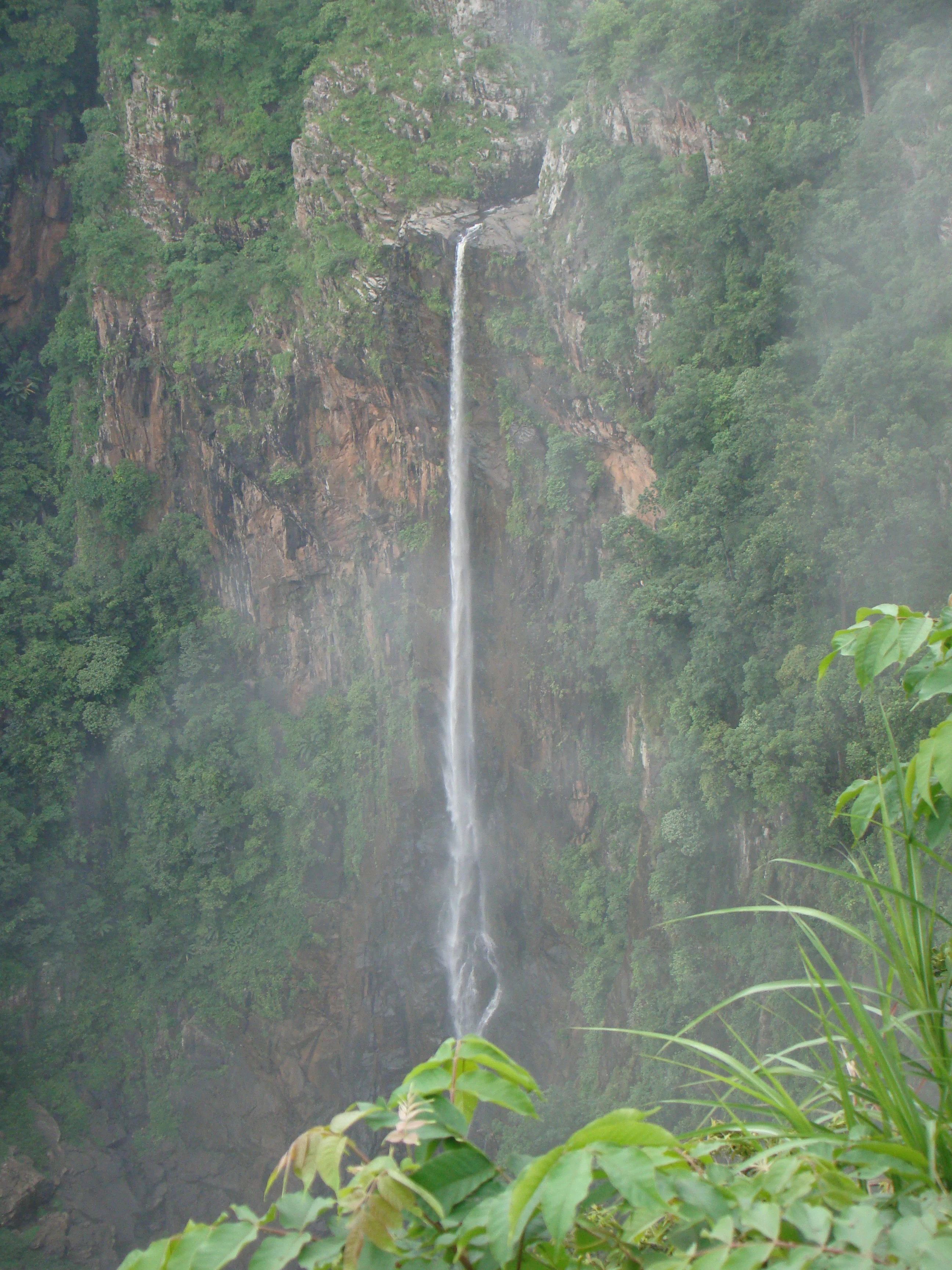
The landscape of Simlipal National Park features a dramatic combination of highlands, steep valleys, and forested plains that create a visually striking and ecologically diverse environment. The reserve encompasses several notable peaks, with Meghasani (also known as Tunkiburu) rising to 1,165 meters as the highest point, followed by Khairiburu at over 1,000 meters elevation. The terrain is characterized by the Southern zone containing the highland core region with peaks like Meghasani and Khariburu, while the Northern zone features gradually sloping mountains and destinations such as the Barehipani and Joranda waterfalls. The park is dissected by at least twelve rivers, including the Budhabalang a, Kharkai, and Deo rivers, which provide crucial water resources for both wildlife and local communities. The two spectacular waterfalls, Barehipani at 217 meters and Joranda at 181 meters, rank among the tallest in Odisha and are actively promoted as tourism attractions. The average elevation throughout the reserve hovers around 900 meters, creating a pleasant climate and diverse habitat zones that transition from moist deciduous forests at lower elevations to higher altitude vegetation communities.
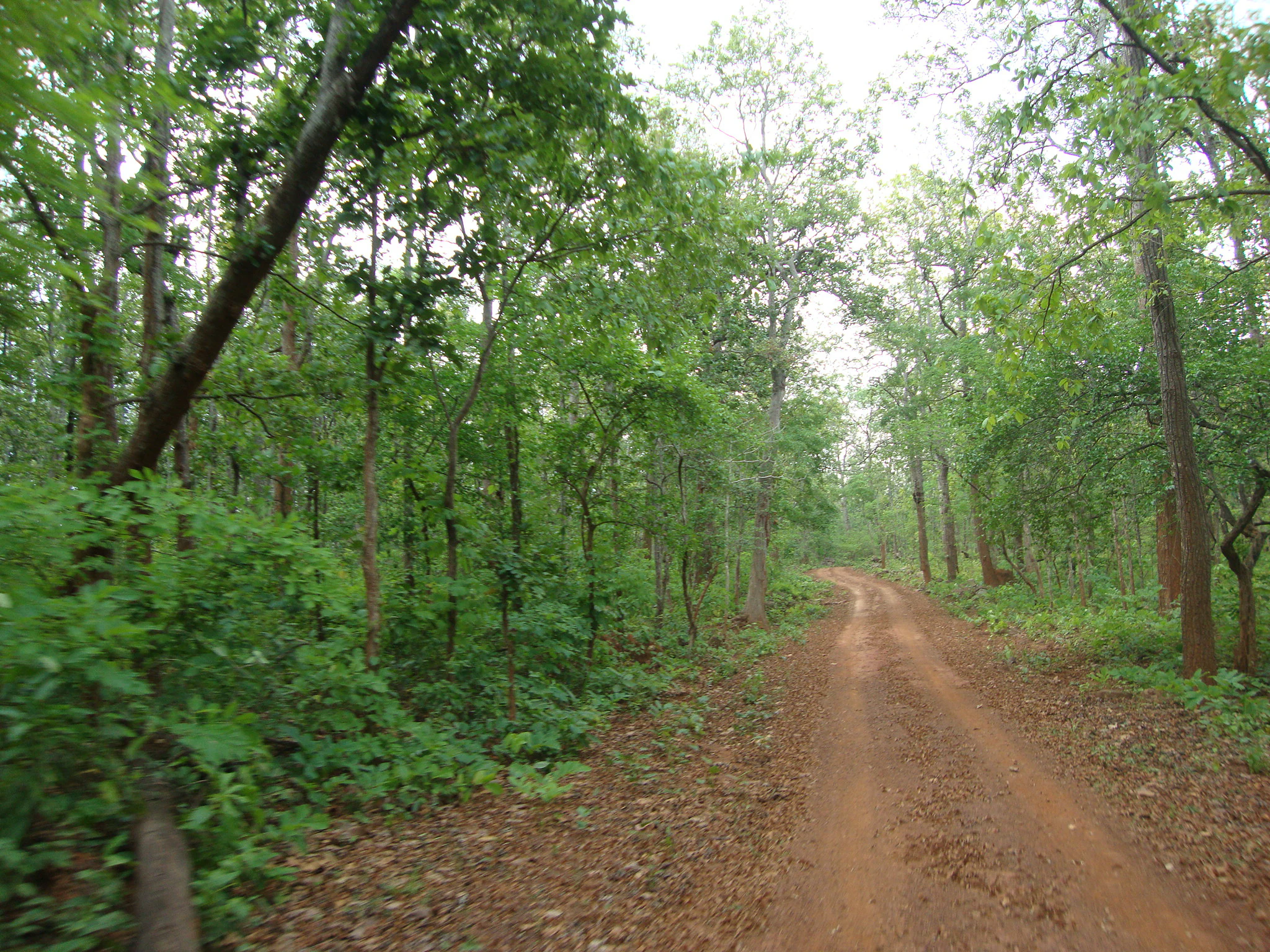
Simlipal National Park ecosystems, habitats, and plant life
Simlipal National Park supports an exceptionally rich ecological environment within the Eastern Highlands moist deciduous forests ecoregion. The park contains approximately 1,076 plant species across 102 families, including 96 identified orchid species, making it a significant center of plant diversity in eastern India. The vegetation types include tropical moist broadleaf forest, tropical moist deciduous forests, dry deciduous hill forest, and high-level sal forests, with extensive grasslands and savannas interspersed throughout. The forest ecosystem supports remarkable biodiversity at multiple trophic levels, from towering sal trees to countless herbaceous species in the understory. The buffer zones around the core protected area show higher herb and shrub diversity but lower tree diversity, indicating anthropogenic disturbance, while the core areas maintain more intact forest structure with greater tree density and basal area. The park's ecological significance extends to its role as a watershed area, with numerous streams and rivers originating from the highlands and flowing through the forested landscape.
Simlipal National Park wildlife and species highlights
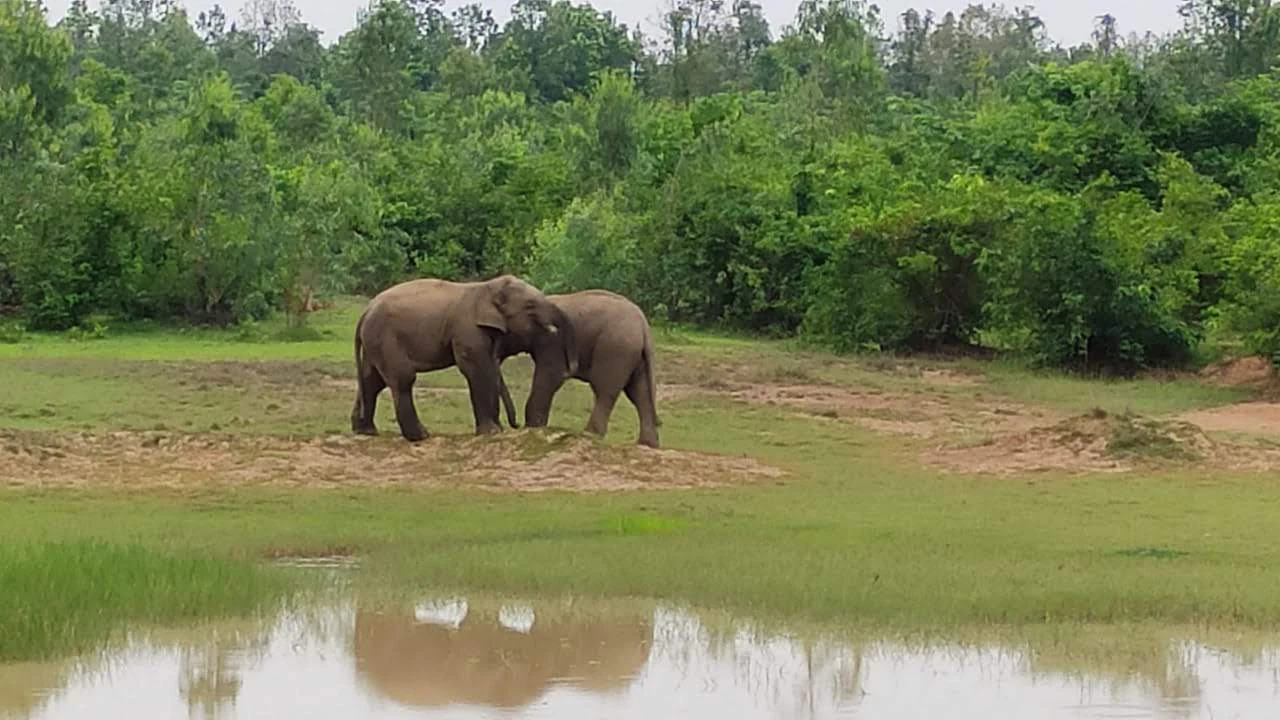
Simlipal National Park supports impressive wildlife diversity with 42 mammal species, 242 bird species, and 30 reptile species recorded within its boundaries. The flagship mammals include Bengal tigers, Asian elephants, gaur (Indian bison), and chausingha (four-horned antelope). The park is particularly renowned for its tiger population, which as of 2025 numbers approximately 30 individuals. The most distinctive feature of Simlipal's tigers is the high occurrence of pseudo-melanism, a genetic trait affecting about 37% of the population that results in tigers with predominantly black coats rather than the typical orange with black stripes. Other notable mammals include leopards, sambar deer, barking deer, jungle cats, wild boars, giant squirrels, and common langurs. The bird fauna is equally diverse, with 231 species known to nest in the forests, including red junglefowl, hill mynahs, peafowl, various parakeets, serpent eagles, hornbills, and trogons. Reptile populations include several snake species and turtles, while the Mugger Crocodile Management Programme has successfully supported populations of mugger crocodiles in the Khairi river.
Simlipal National Park conservation status and protection priorities
Simlipal National Park holds significant conservation importance as one of India's designated tiger reserves under Project Tiger and as a UNESCO Biosphere Reserve since 2009. The park represents a critical tiger habitat in eastern India, though the population faces unique challenges due to its genetic isolation from other tiger populations. The pseudo-melanistic trait, while scientifically interesting, results from inbreeding and reduced genetic diversity following a population bottleneck where only four tigers remained in 2014. Conservation efforts in 2024 included the introduction of two female tigers from Tadoba-Andhari Tiger Reserve to strengthen the gene pool. The park's status as part of the Mayurbhanj Elephant Reserve provides protection for Asian elephants, another keystone species. Ongoing challenges include human-wildlife conflict, the presence of villages within the core area, and the need to balance conservation with the livelihood needs of local tribal communities who have historically inhabited the region.
Simlipal National Park cultural meaning and human context
Simlipal National Park is home to approximately 10,000 people living in 61 villages within the forest area, predominantly from tribal communities including the Kharia and Ho peoples. These communities have historically lived in close connection with the forest ecosystem, relying on medicinal and aromatic plants for traditional practices and earnings. The presence of human settlements within the protected area presents ongoing challenges for conservation management, as evidenced by the relocation of several villages including Upper Barhakamuda, Bahaghar, and Jamunagarh from the core tiger reserve area. Some relocated tribal communities have raised concerns about the process, claiming that relocations have been forced and seeking recognition of their rights under the Forest Rights Act. The Simlipal Elephant Reserve was established recognizing both the ecological significance of the area and the traditional land use patterns of local tribal communities.
Top sights and standout views in Simlipal National Park
Simlipal National Park stands out for its combination of ecological significance and unique natural features. The park's pseudo-melanistic tigers represent a rare genetic phenomenon found in no other tiger reserve in India, making it a destination of international scientific interest. The dramatic waterfalls of Barehipani and Joranda, among the tallest in Odisha, provide stunning natural scenery within the protected landscape. As a UNESCO Biosphere Reserve since 2009, Simlipal represents India's commitment to balancing conservation with sustainable development. The park's substantial elephant population within the Mayurbhanj Elephant Reserve creates one of the largest protected corridors for Asian elephants in eastern India. The rich botanical diversity, including 96 orchid species and extensive sal forests, supports intricate ecological relationships that sustain diverse wildlife communities.
Best time to visit Simlipal National Park
The best time to visit Simlipal National Park is during the winter months from October through March when temperatures are moderate and wildlife viewing opportunities are optimal. Winter temperatures can drop to around 14°C, making comfortable exploration possible, while the dry season conditions concentrate animals around remaining water sources, enhancing sighting opportunities. The summer months from April to June bring extreme heat with temperatures reaching 40°C and become increasingly difficult for wildlife observation. The monsoon season from July to September brings heavy rainfall that can restrict access to certain areas of the park. Visitors should be aware that Simlipal falls within a high-risk zone for cerebral malaria, and appropriate preventive health measures should be taken before planning a trip.