Why Tadoba Andhari Tiger Reserve stands out
Tadoba Andhari Tiger Reserve is particularly renowned for its Bengal tiger population, representing one of the successful tiger conservation stories in India. The reserve is noted for its relatively high tiger density within a dry deciduous forest setting, offering visitors realistic opportunities for tiger sightings during safaris. Beyond tigers, the reserve is known for its healthy populations of sloth bears and Indian leopards, which are more commonly observed here than in many other Indian reserves. The Tadoba Lake area serves as a notable wildlife viewing location, supporting marsh crocodiles and congregations of waterbirds including the grey-headed fish eagle. The reserve also stands out for its significant butterfly diversity and the presence of a rare black panther, spotted in 2018, which is unusual given this species typically inhabits evergreen forests.
Tadoba Andhari Tiger Reserve history and protected-area timeline
The protection history of Tadoba Andhari Tiger Reserve reflects the evolution of wildlife conservation in post-independence India. Hunting in the region was banned in 1935, marking the first formal protection measures for the area's wildlife. In 1955, an area of 116.54 square kilometers was declared Tadoba National Park, establishing the first formal protected area status. The Andhari Wildlife Sanctuary was created in the adjacent forests in 1986, adding another layer of protection to the broader forest complex. The critical milestone came in 1995 when the national park and sanctuary were merged to establish the present tiger reserve, enabling integrated management of the entire forest ecosystem. The reserve has since become a focal point for Project Tiger, India's flagship tiger conservation initiative. Relocation of villages from the core zone has been an ongoing process, with Boteyzari relocated in 2007, Kolsa in 2007 and 2022, Navegaon in 2013, Jamni in 2014, and Palsagaon Singru in 2019, with Rantalodhi currently undergoing rehabilitation. These efforts aim to reduce human-wildlife conflict and restore critical tiger habitat.
Tadoba Andhari Tiger Reserve landscape and geographic character
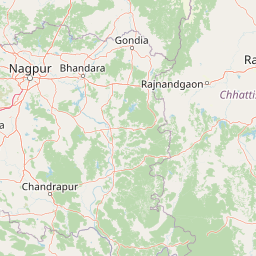
The physical landscape of Tadoba Andhari Tiger Reserve features characteristic terrain of the Central Deccan Plateau, characterized by rolling hills and valleys that slope generally from north to south. The reserve encompasses two primary forested blocks formed by the Tadoba and Andhari ranges, with the Chimur Hill in the southwest portion of Tadoba and the Moharli and Kolsa ranges in the Andhari sanctuary. Elevations range from approximately 200 to 350 meters above sea level, with the terrain becoming less hilly toward the southern portions of the park. The landscape includes distinctive geological features such as cliffs, talus slopes, and cave systems that provide shelter for various wildlife species. Tadoba Lake, a 120-hectare perennial water body, represents the most significant wetland within the reserve, acting as a buffer between the forest and surrounding agricultural lands. Other water features include Kolsa Lake and the Andhari River, which flows through the sanctuary and provides additional aquatic habitat. The forest cover alternates between dense woodland and more open areas with grassy meadows, creating a heterogeneous landscape that supports diverse ecological communities.
Tadoba Andhari Tiger Reserve ecosystems, habitats, and plant life
The ecological character of Tadoba Andhari Tiger Reserve is defined by its position within the Central Deccan Plateau Dry Deciduous Forests, one of the major forest types of peninsular India. Approximately 87 percent of the protected area consists of dense woodland, with teak serving as the dominant tree species and giving the forests a distinctive character. The tree species composition includes crocodile bark, bija, dhauda, hald, salai, semal, and tendu, among others, creating a multi-layered canopy. Bamboo thickets occur abundantly throughout the reserve, forming dense understory in many areas. The forest supports a climbing vine known locally as kach kujali, which has documented medicinal properties including use in treating Parkinson's disease. The reserve contains patches of grassland that provide important foraging habitat for herbivores. The wetland areas, centered on Tadoba Lake and the Andhari River, support distinct aquatic and riparian communities. The seasonal variation in vegetation is pronounced, with the dry deciduous forest shedding leaves during the hot season and regenerating foliage with the monsoon rains, creating dynamic visual changes throughout the year.
Tadoba Andhari Tiger Reserve wildlife and species highlights
Tadoba Andhari Tiger Reserve supports a remarkable diversity of wildlife, with the Bengal tiger serving as the flagship species. The reserve maintains a viable tiger population that represents one of the successful examples of tiger conservation in India, with individuals such as the well-known tigress Maya becoming recognizable through documentation of their behavior and breeding. Beyond tigers, the reserve supports a full complement of large mammals including Indian leopards, which are more frequently observed here than in many other reserves, as well as sloth bears, gaurs, nilgais, and multiple deer species including sambar, chital, and barking deer. The dhole, or Indian wild dog, forms packs that hunt cooperatively through the forest. Smaller mammals include small Indian civets, jungle cats, chausingha, and honey badgers. The reptilian fauna includes marsh crocodiles that thrive in Tadoba Lake, Indian pythons, and various other snakes including Indian cobras and Russell's vipers. The bird community comprises approximately 195 species, including notable raptors such as the grey-headed fish eagle, crested serpent eagle, and changeable hawk-eagle. The lake and wetland areas attract diverse waterbirds and support significant bird activity. Over 70 butterfly species have been recorded, adding to the invertebrate diversity. The rare sighting of a black panther in 2018 highlighted the reserve's potential for hosting melanistic leopard individuals.
Tadoba Andhari Tiger Reserve conservation status and protection priorities
Tadoba Andhari Tiger Reserve represents a critical node in India's tiger conservation network, contributing to the goal of maintaining viable tiger populations across their historical range. The reserve's inclusion in Project Tiger demonstrates its national importance for big cat conservation. The integrated management of the former national park and wildlife sanctuary as a unified tiger reserve enables landscape-level conservation that supports tiger dispersal and genetic connectivity. Conservation challenges include human-wildlife conflict, with tigers and leopards occasionally killing livestock, and the resulting negative perceptions among local communities. Village relocation from the core zone has been an ongoing process to reduce pressure on tiger habitat and minimize conflict. Forest fires during the dry season consistently affect 2 to 16 percent of the park annually, representing a significant management challenge. The presence of approximately 41,000 people in and around the reserve in 59 villages, with five located inside the core zone, creates complex conservation dynamics requiring balance between protection and local livelihoods.
Tadoba Andhari Tiger Reserve cultural meaning and human context
The cultural heritage of Tadoba Andhari Tiger Reserve is deeply intertwined with the tribal communities who have historically inhabited these forests. The Gondi people once ruled the forests in the vicinity of the Chimur hills, maintaining traditional connections to the land that now falls within the reserve. The name Tadoba itself derives from the local deity Tadoba or Taru, worshipped by tribal communities in the region, reflecting the spiritual significance of this landscape. Legend holds that Taru was a village chief killed in a mythological encounter with a tiger, after which he was deified. A shrine dedicated to Taru exists beneath a large tree on the banks of Tadoba Lake, representing the ongoing cultural practice of venerating the forest's natural elements. These indigenous connections to the landscape predate formal protected area designation and represent an important dimension of the reserve's cultural identity.
Top sights and standout views in Tadoba Andhari Tiger Reserve
Tadoba Andhari Tiger Reserve stands out as Maharashtra's premier tiger viewing destination, offering one of the best opportunities in India to observe Bengal tigers in their natural dry deciduous forest habitat. The relatively high leopard density provides excellent wildlife viewing beyond tigers, while sloth bear sightings are remarkably common compared to other Indian reserves. The Tadoba Lake area serves as a wildlife concentration point where crocodiles, waterbirds, and terrestrial species converge around the perennial water source. The reserve's butterfly diversity, with over 70 species, adds an invertebrate dimension to wildlife viewing. The rare black panther sighting demonstrated the ecological complexity of this forest ecosystem. The landscape's blend of forested hills, valleys, meadows, and wetlands creates varied habitats supporting remarkable biodiversity within a compact area.
Best time to visit Tadoba Andhari Tiger Reserve
The optimal time to visit Tadoba Andhari Tiger Reserve spans from October through June, with the winter months from November to February offering comfortable temperatures ranging from 10 to 25 degrees Celsius and excellent wildlife viewing conditions. The dry season, particularly from March to June, concentrates wildlife around diminishing water sources, increasing visibility of tigers and other species at waterholes, though temperatures can reach up to 47 degrees Celsius. The monsoon season from July to September brings heavy rainfall exceeding 1,200 millimeters annually, rejuvenating the forest but limiting safari operations. The period immediately after the monsoon, when the landscape is lush and species are active, can also provide rewarding wildlife encounters. The reserve remains accessible year-round, though summer heat can be intense and monsoons may restrict access to certain areas.