
Why Tankwa Karoo National Park stands out
Tankwa Karoo is best known for its extraordinary biodiversity within an intensely arid landscape, representing one of the most species-rich desert ecosystems on Earth. The park protects the distinctive Succulent Karoo biome, which supports an exceptional concentration of endemic succulent plants, including rare genera such as Tanquana, Braunsia, and Didymaotus that occur nowhere else on the planet. The park also serves as a refuge for remarkable desert-adapted wildlife, including the springbok, caracal, bat-eared fox, aardvark, and brown hyena. With approximately 188 bird species recorded, the park provides critical habitat for specialized desert birds such as Ludwig's bustard, black-headed canary, and the black-eared sparrow-lark, with peak birding season occurring from August through October. The dramatic mountainous boundaries and sparse shrubland create a starkly beautiful landscape of remarkable ecological significance.
Tankwa Karoo National Park history and protected-area timeline
Tankwa Karoo National Park was established in 1986 as a protected area dedicated to preserving the Succulent Karoo biome, which at that time was almost entirely unprotected outside of the tiny Gamkaberg Nature Reserve. The creation of the park marked a recognition of the global significance of this semi-desert region and the urgent need to safeguard its unique biodiversity. A pivotal moment in the park's development occurred in 1998 when landowner Conrad Strauss sold 280 square kilometers of sheep farming land to South African National Parks, enabling a major expansion of the protected area. Prior to this acquisition, the park encompassed approximately 270 square kilometers; following the purchase, total area expanded to roughly 1,463 square kilometers. This expansion not only increased the territory available for wildlife but also helped buffer the protected ecosystem against the pressures of agricultural land use that had historically impacted the region. The park headquarters were established at Roodewerf, serving as the administrative center for park operations and visitor services.
Tankwa Karoo National Park landscape and geographic character
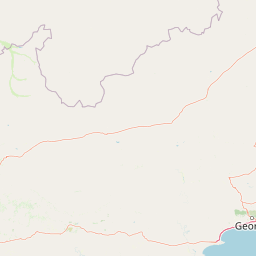
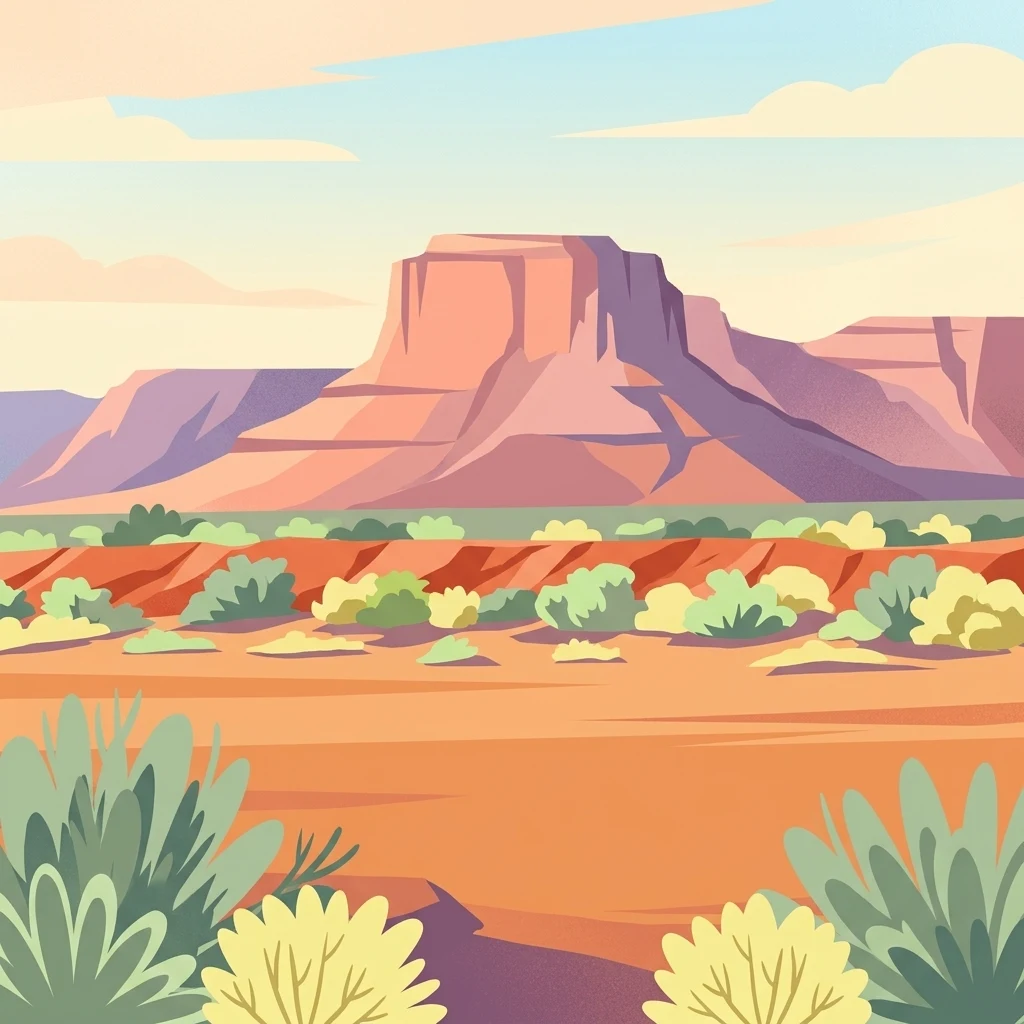
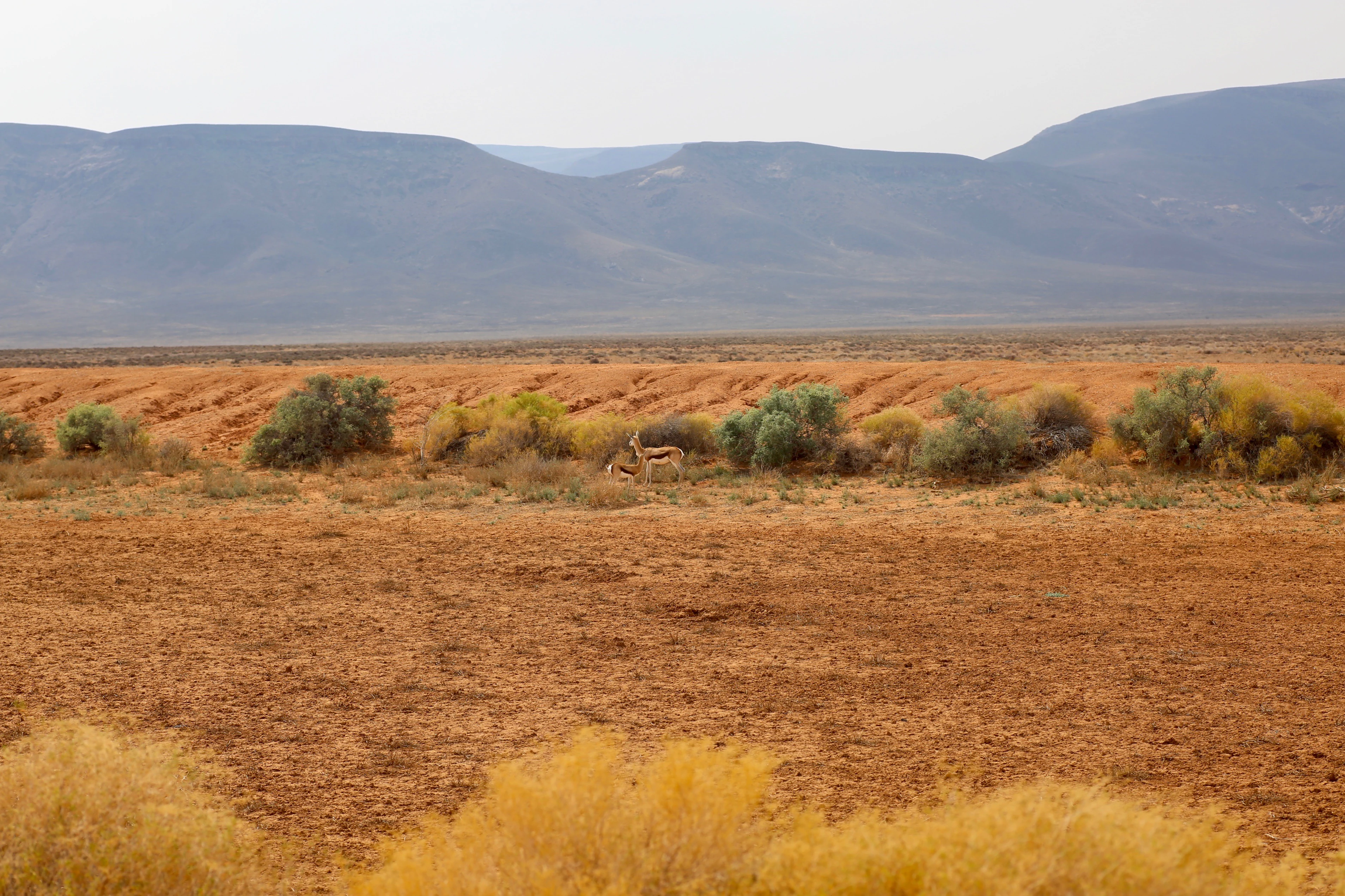
The landscape of Tankwa Karoo National Park is defined by its mountainous boundaries and vast arid plains that create one of South Africa's most visually striking protected environments. The park is naturally enclosed by the Roggeveld Mountains along its eastern edge, the Cederberg range to the west, the Kouebokkeveld Mountains to the north, and the scattered foothills of the Koedoesberg and Klein Roggeveld Mountains to the south. The Tankwa River traverses the southern portion of the park, providing a vital watercourse in this extremely arid environment. The terrain consists predominantly of open valley floors characterized by sparse shrubland and dwarf shrubland vegetation, interspersed with rocky outcrops and occasional elevation changes that create visual variety across the expanse. The stark, semi-desert scenery presents a palette of earth tones, muted greens from drought-resistant vegetation, and dramatic sky transitions that emphasize the sense of isolation and scale that defines this remote protected area.
Tankwa Karoo National Park ecosystems, habitats, and plant life
The nature of Tankwa Karoo National Park centers on the extraordinary Succulent Karoo biome, one of only two arid biodiversity hotspots in the world and the only one located entirely within a single country. This biome supports an exceptional level of plant endemism, with numerous succulent genera found nowhere else on Earth, including Tanquana, Braunsia, and Didymaotus that have evolved specialized adaptations to survive in extreme aridity. The vegetation throughout the park consists primarily of very sparse shrubland and dwarf shrubland, where plants have developed remarkable water-storing capabilities and reflective leaf surfaces to cope with intense solar radiation. The park sits in the rain shadow of the Cederberg Mountains, which intercept moisture-laden clouds from the Atlantic Ocean, resulting in annual precipitation below 100 millimeters in some areas and rarely exceeding 180 millimeters even at the wettest stations. This profound aridity shapes every aspect of the ecosystem, from plant morphology to animal behavior, creating a unique ecological community of remarkable resilience and specialization.
Tankwa Karoo National Park wildlife and species highlights
Tankwa Karoo National Park supports a diverse mammalian fauna adapted to arid conditions, including species such as the springbok, caracal, leopard, brown hyena, bat-eared fox, aardvark, aardwolf, and various smaller carnivores including the Cape fox, black-backed jackal, and small-spotted genet. The park provides habitat for antelopes including kudu, grey duiker, steenbok, and grey rhebok, while the rock hyrax and Cape porcupine occupy rocky areas throughout the reserve. The avifauna is particularly notable, with approximately 188 bird species recorded within the park boundaries. Notable species include Ludwig's bustard, black-headed canary, black-eared sparrow-lark, karoo korhaan, and birds of prey such as the martial eagle, Verreaux's eagle, and secretarybird. Seasonal water bodies attract greater flamingos and various waterfowl, while the arid plains support specialized desert birds adapted to open shrubland habitats. The park has undertaken efforts to reintroduce native game species that historically occurred in the area, with research conducted to ensure introduced animals can survive on the historically overgrazed veld.
Tankwa Karoo National Park conservation status and protection priorities
Tankwa Karoo National Park plays a critical role in conserving one of the world's most significant yet threatened biomes. The Succulent Karoo, together with the Cape Floral Kingdom, was declared a biodiversity hotspot by Conservation International, recognizing its extraordinary concentration of endemic species and the urgent threats it faces. Prior to the park's establishment, protection of this biome was virtually nonexistent outside of the minuscule Gamkaberg Nature Reserve, making Tankwa Karoo's creation a landmark achievement in South African conservation. The park addresses threats including historical overgrazing by livestock and the broader pressures of agricultural expansion in semi-arid rangelands. Ongoing conservation efforts include the reintroduction of native wildlife species that were historically present but had been eliminated from the region, with careful research guiding these restoration initiatives. The park's large area and mountain boundaries help provide meaningful protection for a suite of endemic species that occur nowhere else on the planet.
Tankwa Karoo National Park cultural meaning and human context
Tankwa Karoo National Park occupies a remote region of South Africa's Northern and Western Cape that has historically been used for extensive sheep farming rather than intensive agriculture or permanent human settlement. The area's extreme aridity limited agricultural development while creating a landscape of sparse vegetation suitable only for low-intensity livestock grazing. The park's expansion in 1998 through the purchase of former sheep farming land represents a transition from agricultural use to conservation protection, reflecting broader shifts in South African land management priorities. The indigenous San peoples have historical connections to arid lands throughout southern Africa, though specific cultural heritage within Tankwa Karoo is not extensively documented in available sources. The park name derives from the Tankwa River that flows through the southern portion of the reserve.
Top sights and standout views in Tankwa Karoo National Park
Tankwa Karoo National Park offers exceptional opportunities to experience one of Earth's most distinctive arid ecosystems within a protected landscape of impressive scale. The Succulent Karoo biodiversity hotspot provides unparalleled botanical interest, with endemic succulents and drought-adapted flora creating remarkable plant communities found nowhere else. The park's mountainous boundaries, including the Roggeveld and Cederberg ranges, create dramatic backdrops for exploration and photography. Wildlife viewing opportunities include springbok, caracal, bat-eared fox, and the chance to spot brown hyena and leopard in their desert habitat. The birdlife, with nearly 190 species including Ludwig's bustard, secretarybird, and various raptors, attracts dedicated birdwatchers, particularly during the peak August-to-October season. The sense of isolation and vast open spaces provides a wilderness experience distinct from South Africa's more famous savanna parks.
Best time to visit Tankwa Karoo National Park
The optimal time to visit Tankwa Karoo National Park depends on visitor interests, though the park's extreme climate significantly influences the experience. Summer months from November to March bring very hot conditions, with daytime temperatures frequently exceeding 38 degrees Celsius in the hottest areas, making early morning and late afternoon activities essential. Winter months from June to August offer more moderate temperatures and the peak birding season, when many species are most active and visible. The August-to-October period represents the best time for birdwatching, coinciding with spring conditions and the peak of avian activity in the Succulent Karoo. Rainfall is minimal throughout the year, though any precipitation dramatically affects landscape appearance, temporarily greening the sparse vegetation. Visitors should be prepared for cold winter nights with temperatures potentially dropping to around 5 degrees Celsius and very hot summer days requiring appropriate hydration and sun protection.