Mori Atlas logo
National parkTel Arad National Park

Discover mapped park boundaries and regional terrain within this national park in Israel.

Tel Arad National Park: Explore Israel's Protected Landscape and Geographic Atlas

Tel Arad National Park represents a significant protected area within Israel's diverse geography. As a national park, it offers a unique vantage point for understanding regional landscape context and mapped natural terrain. This page serves as a detailed atlas entry, providing insight into the park's protected boundaries and its place within the broader geography of the Levant.

Archaeological siteDesert landscapeNegev DesertAncient ruinsHistoric preservationBiblical archaeology

Tel Arad National Park

National park

Park overview

Structured park overview, official facts, and landscape profile for Tel Arad National Park

Tel Arad National Park park facts, protected area profile, and essential visitor context
Review the core facts for Tel Arad National Park, including designation, size, terrain, visitor scale, habitats, and operating context in one park-focused overview.

About Tel Arad National Park

Tel Arad National Park protects the archaeological site of Tel Arad, an ancient city located in the Negev Desert of southern Israel. The tel (archaeological mound) contains remains from multiple historical periods, including the Canaanite and Israelite eras. Excavations at the site have revealed a fortified city with administrative buildings, residential areas, and ancient water systems. The park preserves this significant archaeological heritage within a desert landscape characteristic of the Negev region.

Quick facts and research context for Tel Arad National Park

Tel Arad National Park is situated in the Negev Desert region of southern Israel. The site contains remains of an ancient fortified city that was inhabited during various periods of biblical history. The protected area encompasses the archaeological tell and its immediate surroundings, preserving both the historical structures and the desert ecosystem.

Park location guide

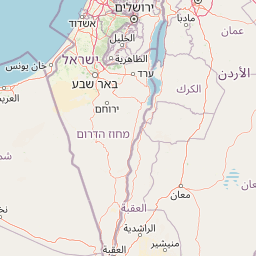
Geography guide, regional context, and park location map for Tel Arad National Park

Tel Arad National Park park geography, regions, and map view in Israel
Understand where Tel Arad National Park sits in Israel through a broader geographic reading of the surrounding landscape, nearby location context, and its mapped position within the national park landscape.

How Tel Arad National Park fits into Israel

Israel is a parliamentary republic in the Southern Levant, established in 1948 as a Jewish homeland. It borders Lebanon, Syria, Jordan, and Egypt, with Mediterranean coastline and access to the Red Sea. Jerusalem is the capital, though its status is contested, while Tel Aviv is the largest urban area. The country has a high-income economy with strong technology and innovation sectors.

Wider geography shaping Tel Arad National Park in Israel

Israel occupies the Southern Levant region of West Asia. It is bordered by Lebanon to the north, Syria to the northeast, Jordan to the east, and Egypt to the southwest. The western coast lies on the Mediterranean Sea, while the southern tip reaches the Red Sea. The eastern border includes the Dead Sea, Earth's lowest point. The country occupies the West Bank, Gaza Strip, and Golan Heights.

Common questions about visiting, size, designation, and location context for Tel Arad National Park

Tel Arad National Park FAQs for park facts, access, geography, and protected area context
Find quick answers about Tel Arad National Park, including protected-area facts, park geography, trail and visitor context, and how the park fits into its surrounding country and regional landscape.
MoriAtlas Explorer

Continue Your Protected Areas Search Across the Global Atlas

Deepen your exploration by continuing the structured search for national parks and protected areas worldwide. Utilize the comprehensive filtering capabilities to compare different conservation landscapes and refine your understanding of global park geography. Discover more about the distribution and characteristics of protected natural areas.

Global natural geography