Why Tel Be'er Sheva National Park stands out
Tel Be'er Sheva is best known for its well-preserved archaeological ruins from ancient settlement periods, particularly the Israelite era. The site features ruins of ancient buildings, water infrastructure, and defensive structures that provide insight into daily life in this desert region during antiquity. The combination of archaeological significance and its setting at the edge of the Negev Desert makes it a notable destination for those interested in ancient history and biblical archaeology.
Tel Be'er Sheva National Park history and protected-area timeline
The history of Tel Be'er Sheva stretches back to antiquity, with the site serving as an important settlement in the Negev region. The location is mentioned in biblical texts, connecting it to the history of ancient Israel. Over the centuries, various peoples occupied the site, each leaving layers of construction and modification. The archaeological record at Tel Be'er Sheva provides evidence of continuous or recurring habitation despite the challenging desert environment, largely due to the availability of water sources in the area. The establishment of the site as a national park reflects Israel's commitment to preserving its archaeological heritage and making historical sites accessible for education and appreciation.
Tel Be'er Sheva National Park landscape and geographic character
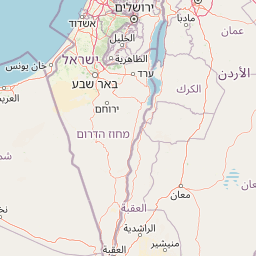
The landscape of Tel Be'er Sheva is characteristic of the northern Negev Desert, featuring arid terrain with sparse vegetation and geological formations typical of this semi-arid region. The tel itself rises slightly above the surrounding plain, created by centuries of accumulated sediment and construction materials. The area experiences a desert climate with limited rainfall, making water conservation historically crucial for settlement. The surrounding landscape includes the broad Be'er Sheva valley, which provides context for why this location was chosen for settlement despite the challenging environmental conditions.
Tel Be'er Sheva National Park ecosystems, habitats, and plant life
The natural environment of Tel Be'er Sheva reflects the desert and semi-desert ecosystems of the Negev region. Wildlife in the area includes desert-adapted species capable of surviving in the arid conditions, with various reptiles, insects, and small mammals present. The vegetation around the site is sparse, composed of drought-resistant plants and desert shrubs. While the site itself is primarily archaeological, the surrounding natural landscape demonstrates the adaptation of life to desert conditions and the resilience of ecosystems in this challenging environment.
Tel Be'er Sheva National Park wildlife and species highlights
The wildlife in the area around Tel Be'er Sheva consists of species adapted to desert and semi-desert habitats. Common wildlife includes various lizard species, small rodents, and desert arthropods. Bird species that can be found in the region include desert-adapted birds and migratory species that pass through the area. The biodiversity, while not extensive, reflects the ecological characteristics of the Negev Desert region and demonstrates how wildlife has adapted to the harsh, arid conditions of this part of Israel.
Tel Be'er Sheva National Park conservation status and protection priorities
Tel Be'er Sheva National Park represents conservation of archaeological and cultural heritage within a desert environment. The park protects the physical remains of ancient structures and settlement layers while providing controlled public access. Conservation efforts focus on maintaining the stability of archaeological remains and preventing damage from natural elements or human activity. The designation as a national park ensures that this historical site receives institutional protection and resources for ongoing preservation.
Tel Be'er Sheva National Park cultural meaning and human context
Tel Be'er Sheva holds cultural and religious significance connected to biblical history and the narrative of ancient Israel. The site is mentioned in the Hebrew Bible, associating it with the ancestral history of the Israelite people. This cultural dimension adds to the site's importance beyond its archaeological value, making it meaningful for religious and historical education. The location also reflects the broader history of human settlement in the Negev region and the development of desert societies that managed to thrive through water management and strategic settlement choices.
Top sights and standout views in Tel Be'er Sheva National Park
The highlights of Tel Be'er Sheva National Park include its ancient archaeological ruins spanning multiple historical periods, well-preserved structures from the Israelite period, and the opportunity to explore an important biblical site in its desert setting. Visitors can see remains of ancient buildings, water infrastructure, and settlement layouts that illustrate how ancient populations organized their communities in this challenging environment. The park offers a rare opportunity to walk through ruins that tell the story of desert settlement and human adaptation over centuries.
Best time to visit Tel Be'er Sheva National Park
The best time to visit Tel Be'er Sheva National Park is during the cooler months, typically from late autumn through early spring, when temperatures are more comfortable for exploring the outdoor site. Summer months in the Negev can bring extreme heat, making extended outdoor activity uncomfortable. The winter season offers milder temperatures and often pleasant conditions for walking through the archaeological areas, though rain is possible. Early morning visits are advisable during any season to avoid the strongest sun exposure.