

Why Tula National Park stands out
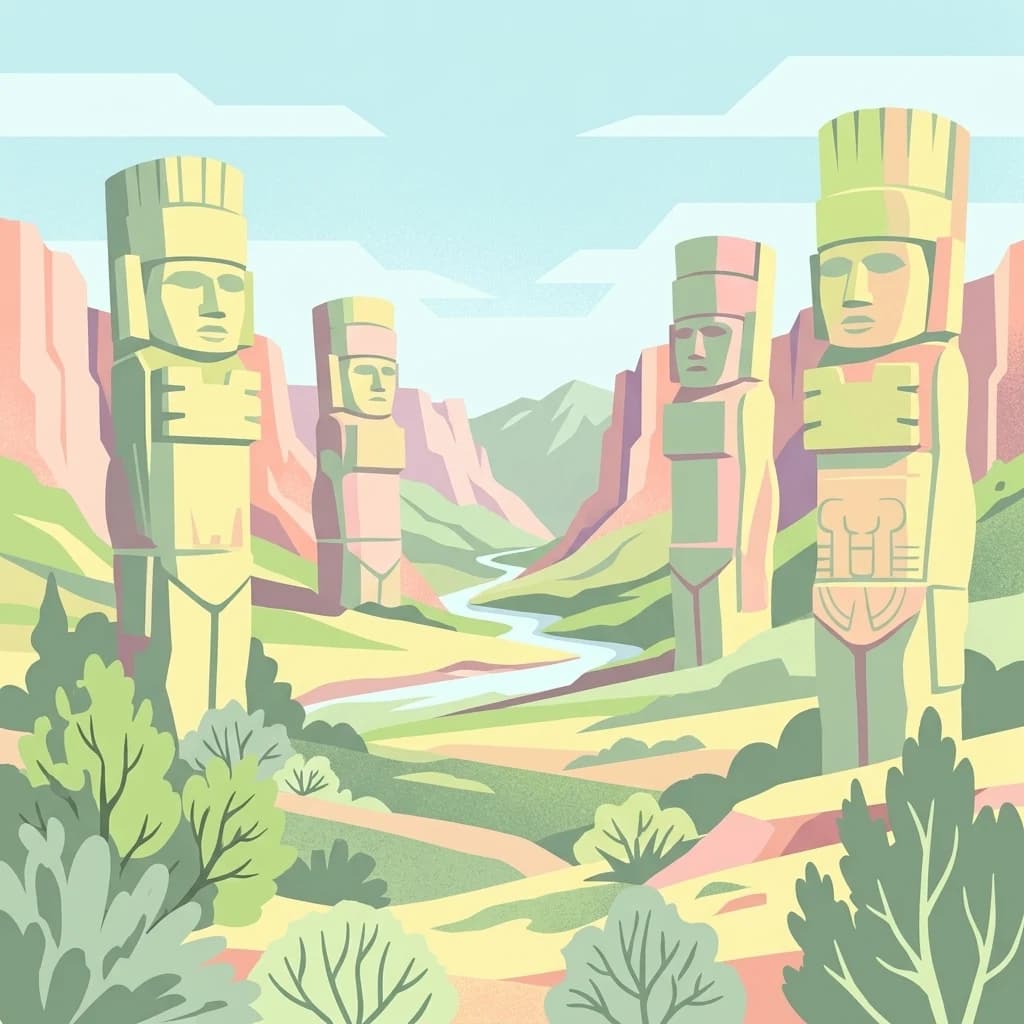
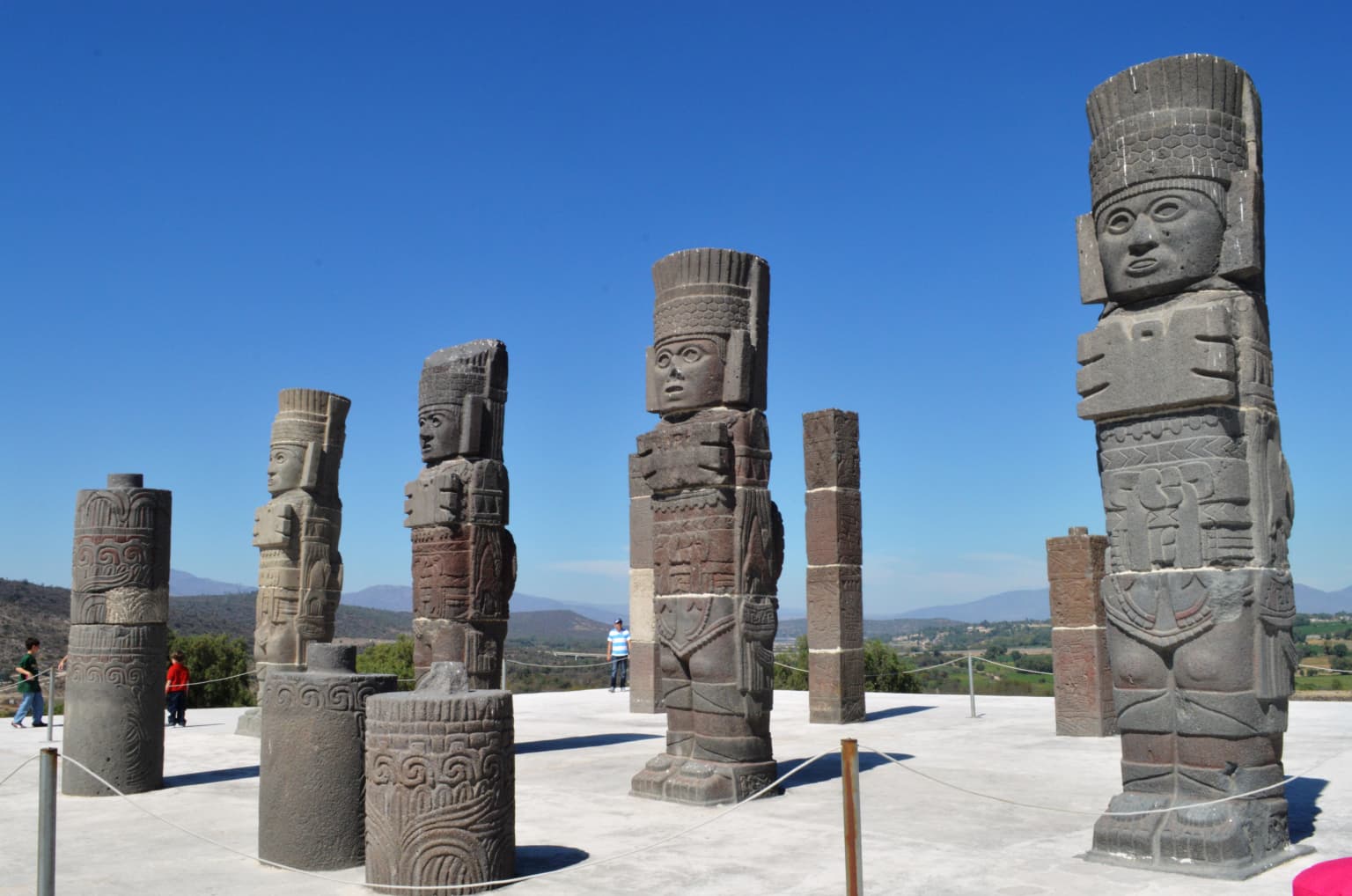
Tula National Park is best known for the extraordinary Atlantes de Tula, four massive four-meter-high basalt columns carved in the likeness of Toltec warriors that once supported the roof of the Temple of Quetzalcoatl atop Pyramid B. These iconic sculptures represent the most recognizable symbol of the Toltec civilization and are among the most striking architectural features of any Mesoamerican site. The park is also renowned for its well-preserved ballcourts, the serpent wall (Coatepantli), and the architectural similarities between Tula and Chichén Itzá that have fueled scholarly debate about the nature of Toltec-Maya connections for over a century.
Tula National Park history and protected-area timeline
The history of Tula National Park's archaeological site spans over a millennium. The earliest well-defined settlements in the area appear around 400 BCE, with the city likely settled by people of various ethnic backgrounds including Nonoalca and Chichimeca groups. The area came under Teotihuacan's political influence during the Epiclassic period, and the region's lime deposits provided an important resource for construction. Tula Chico, the initial urban core, developed between 650 and 900 CE, covering five to six square kilometers with a population estimated at 19,000 to 27,000 at its height. This earlier settlement was abandoned between 850 and 900 CE, and Tula Grande began to develop. The city rose to prominence after Teotihuacan's fall, reaching its peak between 900 and 1150 CE as the major power in the central Mexican highlands. The Toltecs built their economy on agriculture and the crafting of obsidian, with the Sierra de las Navajas providing the majority of the obsidian used by the city. Around 1000 CE, soil leaching and climate drying prompted Chichimeca groups to move south, creating ethnic strife that contributed to the city's collapse. The ceremonial center was burned and destroyed around 1150 CE. After the fall, the site continued to be occupied through the Mesoamerican period and into the colonial era. The area was designated as a national park in 1981 by the Mexican government to protect and preserve this important archaeological heritage.
Tula National Park landscape and geographic character
The landscape of Tula National Park is set within the Tula River Valley in the southwestern region of Hidalgo state, at an elevation ranging from 2000 to 2200 meters above sea level. The terrain around the archaeological site is characterized by a semi-arid climate with only three continuously flowing rivers and streams, the largest being the Tula River. The valley is flanked by several notable hills including Magoni, Xicuco, Moctezuma, and Bojay, with the Sierra de Tezontlalpa marking the eastern boundary. The archaeological site itself is built on a limestone outcropping that rises above the surrounding valley floor, providing natural elevation and defensive advantages. The area sits at the southern end of what indigenous records called Teotlapan, meaning 'land of the gods.' The modern landscape around the park includes the contemporary city of Tula de Allende, which took its name from the ancient capital.
Tula National Park ecosystems, habitats, and plant life
As Tula National Park is primarily an archaeological preserve focused on pre-Columbian ruins, the natural ecological aspects are limited compared to natural park designations. The surrounding region features semi-arid valley conditions typical of the central Mexican highlands at this elevation. The Tula River Valley supports limited riparian vegetation along the river corridor, with the broader landscape characterized by scrubland and agricultural land. The park's primary value lies in its cultural heritage rather than significant biodiversity or unique ecological habitats. However, the archaeological zone does include maintained green spaces and some ornamental vegetation around the museum and visitor areas that provide basic amenity landscaping within the protected boundary.
Tula National Park wildlife and species highlights
The wildlife in and around Tula National Park reflects the semi-arid agricultural landscape of the Tula River Valley in central Hidalgo. The region supports common species adapted to the Mexican highland environment, including various small mammals, birds, and reptiles typical of this elevation and habitat type. However, the park is not designated or recognized for significant wildlife diversity or notable species populations, as its primary conservation purpose is the protection of archaeological resources rather than natural habitats or biodiversity. The site does not feature prominent wildlife viewing opportunities or specialized ecological programs associated with more nature-focused protected areas.
Tula National Park conservation status and protection priorities
Tula National Park was established in 1981 by the Mexican government specifically to protect the archaeological site of Tollan-Xicocotitlan from development, looting, and deterioration. The park's conservation focus centers on preserving the architectural structures, sculptures, and cultural artifacts that represent the Toltec civilization's achievements. The site is managed by the Instituto Nacional de Antropología e Historia (INAH), Mexico's national institute for archaeology and history, which conducts ongoing restoration, research, and protection activities. Conservation challenges include managing visitor impact, preventing artifact theft, and addressing the effects of weather and environmental conditions on exposed stone structures. The designation as a national park provides legal protection for the archaeological zone and ensures coordinated management of both the cultural resources and the limited natural environment within the boundary.
Tula National Park cultural meaning and human context
Tula National Park preserves the cultural heritage of the Toltec civilization, one of the most influential societies in Mesoamerican history. The site represents Tollan-Xicocotitlan, which the Aztecs considered one of the great civilization centers alongside Teotihuacan and Tenochtitlan. The Toltec civilization was multiethnic, integrating cultural elements from various regions of Mesoamerica and developing distinctive artistic expressions. The city was associated with the worship of Quetzalcoatl, the feathered serpent deity, whose cult spread throughout central Mexico and into Central America. According to indigenous chronicles recorded after the Spanish conquest, the legendary ruler Ce Acatl Topiltzin Quetzalcoatl was associated with Tula before being expelled by followers of Tezcatlipoca, leading to the city's fall. The Toltec legacy significantly influenced the Aztec Empire, and much of what is known about Toltec history was preserved through Aztec accounts despite the destruction of many pre-conquest codices. The modern town of Tula de Allende retains the name and location of the ancient capital.
Top sights and standout views in Tula National Park
The primary highlight of Tula National Park is the opportunity to walk among the ruins of an ancient Mesoamerican capital that shaped the history of central Mexico. The four Atlantean warrior statues at the summit of Pyramid B represent one of the most impressive sculptural achievements in pre-Columbian America, their carved details still visible after nearly a thousand years. The Coatepantli, or serpent wall, with its distinctive procession of serpents emerging from skeletal figures, provides a dramatic visual element unique to Tula among Mesoamerican sites. The architectural parallels between Tula and Chichén Itzá, particularly in the design of the ballcourts and pyramid structures, make the site essential for understanding the diffusion of cultural and political influences across ancient Mesoamerica. The on-site Jorge R. Acosta museum provides contextual interpretation of the discoveries and the civilization's significance.
Best time to visit Tula National Park
The best time to visit Tula National Park is during the cooler dry season from November through April, when comfortable temperatures and low rainfall allow for comfortable exploration of the outdoor archaeological site. The park is open year-round, but the semi-arid climate means that summer months from May through October can bring hot conditions and occasional heavy rains that may affect the visitor experience. Morning visits are recommended to avoid the strongest sunlight and to explore the site before peak midday temperatures. The park can be visited as a day trip from Mexico City, making it accessible for visitors with limited time who wish to experience Mesoamerican archaeological heritage without extensive travel arrangements.