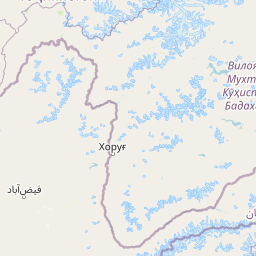
Why Wakhan National Park stands out
Wakhan National Park is best known for its population of snow leopards, one of the most elusive and iconic big cats in the world, which inhabit the high-altitude rocky terrain throughout the park. The park also protects significant populations of Marco Polo sheep, a large wild sheep species with distinctive massive horns, found on the alpine slopes and valleys. The corridor's position between two of Asia's greatest mountain systems creates a dramatic landscape of steep valleys, towering peaks, and remote passes that have historically linked Central Asia to the Indian subcontinent. The combination of extreme remoteness, high biodiversity value, and the cultural presence of Wakhi and Kyrgyz communities makes this one of Afghanistan's most significant conservation areas.
Wakhan National Park history and protected-area timeline
Wakhan National Park was officially established on March 30, 2014, making it one of Afghanistan's newest national parks and the country's largest protected area by surface area. The park was created through a decree by the Afghan government, which recognized the exceptional ecological significance of the Wakhan Corridor and the urgent need to protect its wildlife populations, particularly the snow leopard, which had been facing increasing pressure from poaching and habitat loss across its range. Prior to national park designation, the area had functioned as a wildlife sanctuary, but the elevation to full national park status provided stronger legal protections and signaled Afghanistan's commitment to international conservation goals. The establishment came amid broader efforts to develop sustainable natural resource management in post-conflict Afghanistan, though the park's remote location and security challenges have limited the development of formal management infrastructure. The decision to protect the entire Wakhan District as a single contiguous protected area reflected the ecological connectedness of the corridor landscape and the traditional movement patterns of both wildlife and the local communities who share this land.
Wakhan National Park landscape and geographic character
The physical landscape of Wakhan National Park is defined by its position at the intersection of two of Asia's greatest mountain systems, creating terrain of remarkable diversity and dramatic character. The park follows the Wakhan Corridor, a narrow valley flanked by towering mountain ranges that have shaped the region's geography and human history for thousands of years. To the north, the Pamir Mountains rise sharply, often called the roof of the world, with peaks exceeding 7,000 meters and extensive glacial systems that feed the rivers flowing through the corridor. The Hindu Kush forms the southern boundary, equally imposing with its own collection of snow-capped peaks and steep alpine walls. Between these great ranges, the landscape varies from narrow valleys carved by the Wakhan River to broader alpine meadows and rocky expanses above the tree line. The terrain is predominantly above 3,000 meters in elevation, with many areas exceeding 4,000 meters, creating a harsh environment of thin air, extreme temperature variations, and intense solar radiation. Rocky outcrops, cliffs, and talus slopes dominate the scenery, interspersed with patches of alpine vegetation in the more sheltered locations.
Wakhan National Park ecosystems, habitats, and plant life
The ecological character of Wakhan National Park is shaped by its high-altitude setting and the convergence of Central Asian and South Asian biogeographic influences. With approximately 600 plant species recorded within the park, the flora reflects the transitional nature of this corridor between different climatic and ecological zones. The vegetation is predominantly alpine and subalpine in character, with sparse grass and shrub cover adapted to the harsh conditions. Above the tree line, which lies at approximately 3,500 meters in this region, the landscape transitions to alpine meadows that bloom briefly during the short summer growing season. The park sits at a critical biogeographic crossroads, with species from both the Palearctic and Oriental realms contributing to its biodiversity. The extreme remoteness and limited human infrastructure have allowed much of the natural ecosystem to persist relatively intact, though traditional pastoral activities have shaped the landscape over centuries. The combination of high mountains, cold desert conditions, and seasonal water availability creates a mosaic of habitats that support both resident and migratory wildlife species.
Wakhan National Park wildlife and species highlights
Wakhan National Park is home to an impressive assembly of large mammals, most notably the snow leopard, one of the world's most endangered big cats, which inhabits the rocky terrain throughout the park's higher elevations. The park supports viable populations of several other felids, including the lynx and the small and elusive Pallas's cat, making this one of the most significant cat conservation areas in Central Asia. Among the ungulates, Marco Polo sheep represent a particular conservation priority, their magnificent spiraling horns making them one of the most distinctive wild sheep species anywhere on the planet. Ibex and urial also occur throughout the park's alpine zones, maintaining populations despite the pressures from human and predator activity. The predator guild includes wolves and brown bears, both present in significant numbers and playing important ecological roles in the mountain ecosystem. Smaller mammals such as red foxes, stone martens, and various rodent species complete the mammalian fauna, while the avifauna includes various high-altitude bird species adapted to the harsh conditions. The combination of multiple rare and threatened species makes Wakhan nationally and internationally significant for wildlife conservation.
Wakhan National Park conservation status and protection priorities
Wakhan National Park represents Afghanistan's commitment to preserving some of the most ecologically important mountain wilderness remaining in Central Asia. The park's designation as an IUCN Category II protected area reflects its primary conservation mandate to protect natural ecosystems and the wildlife populations they support. The snow leopard population is of particular global significance, as this species is listed as Vulnerable on the IUCN Red List and faces numerous threats across its range from poaching, retaliatory killings by herders, and habitat fragmentation. The park provides critical connected habitat that allows snow leopards to move between populations across international boundaries, linking ranges in Tajikistan, Pakistan, and potentially China. Conservation challenges in the park center on poaching, primarily for the illegal wildlife trade that targets snow leopards and their prey species, and overgrazing by the livestock of local pastoral communities. Unlike many protected areas in the region, mining and logging are not currently major threats in Wakhan, largely due to the extreme terrain and lack of infrastructure, but the ongoing pressures from poaching and grazing require sustained attention and management capacity that the park has struggled to develop given the broader security and development context in Afghanistan.
Wakhan National Park cultural meaning and human context
Wakhan National Park is home to approximately 15,000 residents of Wakhi and Kyrgyz ethnic backgrounds who have inhabited this challenging mountain environment for generations. The Wakhi people speak a language related to Persian and have developed a distinctive culture adapted to high-altitude life in the corridor, while the Kyrgyz are traditionally pastoral nomads who maintain livestock including sheep, goats, and horses. These communities have co-existed with the wildlife of the Wakhan for centuries, their traditional land-use patterns creating a cultural landscape that interacts with but is distinct from the wild ecosystems the park protects. The Wakhan Corridor has historically served as a trade and migration route connecting Central Asia to the Indian subcontinent, and the cultural heritage of the region reflects this position at the crossroads of civilizations. Foreign visitors to the park require an Afghan visa and must navigate complex travel regulations, as the region remains sensitive from both security and geopolitical perspectives. The relationship between these communities and their environment is one of traditional pastoralism, with livestock grazing representing both a livelihood and a pressure that conservation management must address.
Top sights and standout views in Wakhan National Park
Wakhan National Park offers visitors the chance to experience one of the most remote and untrammeled mountain landscapes remaining on Earth, a vast wilderness where snow leopards roam the same terrain that Marco Polo crossed centuries ago. The park encompasses the entire Wakhan Corridor between two of Asia's greatest mountain systems, providing a dramatic setting of towering peaks, deep valleys, and ancient trading routes. Wildlife viewing opportunities, while challenging to access, include the possibility of encountering snow leopards, ibex, and the magnificent Marco Polo sheep with their record-sized horns. The cultural presence of Wakhi and Kyrgyz communities adds a human dimension to the landscape, their traditional lifestyles continuing in harmony with the demanding mountain environment. The park represents one of Afghanistan's most significant conservation achievements, protecting critical habitat for multiple globally threatened species in a region where such protection has historically been difficult to achieve.
Best time to visit Wakhan National Park
The optimal time to visit Wakhan National Park is during the summer months, typically from June through September, when weather conditions are most favorable and the high-altitude environment is most accessible. Summer brings relatively warm temperatures to the valleys and reduced snow cover on lower passes, allowing for overland travel through the corridor. The short alpine growing season peaks during July and August, when meadows display their brief but spectacular wildflower displays and wildlife is most active at higher elevations. Winter in Wakhan is extremely harsh, with heavy snowfall, blizzard conditions, and temperatures that can drop far below freezing, effectively closing the park to most visitors for much of the year. Spring and autumn offer transitional conditions but bring variable weather and potential access restrictions. Visitors should note that accessing Wakhan National Park requires careful planning, appropriate visas, and often local coordination, as the region remains remote and subject to security considerations that can affect travel permissions at any time of year.