Why Watamu Marine National Park stands out
Watamu Marine National Park is best known for its exceptional coral reef ecosystem, which ranks among the most diverse in East Africa. The park's coral gardens support over 150 species of hard and soft corals, including brain corals and fan corals, creating a vibrant underwater landscape that sustains more than 500 fish species within the main park area and over 1,000 in the broader reserve. The park is also renowned for its sea turtle conservation program, with its main beach serving as a 99% viable nesting site for endangered green turtles, hawksbill turtles, and occasionally olive ridley turtles. Large marine species including whale sharks, manta rays, octopus, and barracuda frequent the waters, adding to the park's reputation as a premier diving and snorkeling destination.
Watamu Marine National Park history and protected-area timeline
Watamu Marine National Park was established in 1968 through action by the Kenyan government, marking a pivotal moment in the country's approach to marine environmental protection. Along with the neighboring Malindi Marine National Park and Reserve, Watamu became one of Kenya's first marine protected areas, reflecting a growing recognition of the need to preserve coastal ecosystems before they faced irreversible degradation. The parks were created during a period when East African nations were developing national environmental policies that would define conservation for decades to come. In 1979, the park was designated as part of a UNESCO World Biosphere Reserve, elevating its international status and integrating it into a global network of protected areas that balance conservation with sustainable development. This biosphere reserve status acknowledged not only the park's ecological significance but also the importance of involving local communities in conservation outcomes. Over the subsequent decades, the park has faced significant challenges including coral bleaching events in 1997-1998 that caused substantial mortality to reef systems, prompting enhanced management approaches that address both direct marine protection and broader land-use pressures on the coastal zone.
Watamu Marine National Park landscape and geographic character
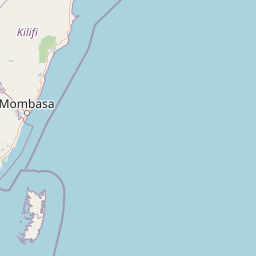
Watamu Marine National Park encompasses a distinctive marine landscape defined by its proximity to shore and the complexity of its bottom topography. The coral gardens begin just 300 meters from the mainland, creating a shallow reef system that transitions gradually from rocky intertidal zones to deeper coral-dominated areas. The reef structure features numerous coral formations including massive brain corals, delicate fan corals, and extensive sponge communities that create intricate habitats for marine life. The underwater terrain includes sandy channels, coral ridges, and seagrass beds that together form a heterogeneous marine environment. Beyond the coral zones, the park includes coastal mangroves that provide critical nursery functions for fish and crustacean species, connecting the marine ecosystem to terrestrial coastal processes. The shoreline features beaches that serve as important sea turtle nesting sites, with the main beach maintaining exceptional hatching success rates for multiple turtle species. The adjacent creek system functions as an important spawning habitat for numerous fish species and provides feeding grounds for marine turtles and migratory shorebirds.
Watamu Marine National Park ecosystems, habitats, and plant life
The marine ecosystem at Watamu represents one of the most ecologically significant coastal environments in Kenya, characterized by exceptional coral diversity and complex habitat interactions. The park's coral reefs support over 150 species of hard and soft corals that form the structural foundation for the entire marine community. These coral gardens create diverse microhabitats that support extraordinary fish biodiversity, with the main park area hosting more than 500 species and the broader reserve supporting over 1,000 species. The ecosystem includes mangrove forests and segrass beds that provide critical ecological functions including water filtration, nutrient cycling, and nursery habitat provision. The creek systems adjacent to the park serve as important spawning grounds for fish and function as internationally significant wintering sites for migratory wading birds. Water temperature regimes strongly influence ecological processes, with the warm season from December to May bringing elevated temperatures that drive coral spawning events while the cooler season from June to November offers more temperate conditions that support different species assemblages.
Watamu Marine National Park wildlife and species highlights
Watamu Marine National Park supports remarkable marine wildlife diversity across multiple trophic levels and taxonomic groups. The fish community alone includes approximately 600 species in the main park area, ranging from small reef fish to large predatory species, creating one of the most species-rich fish communities in the Western Indian Ocean. Large pelagic species regularly visit the park, including whale sharks that pass through the area during seasonal migrations and manta rays that grace the waters with their impressive wingspans. The park is particularly significant for sea turtle populations, with its main beach functioning as a highly successful nesting site for green turtles and hawksbill turtles, both listed as endangered species. The turtle watch program at Watamu has documented consistent nesting success rates approaching 99% for green turtles, making this one of the most productive turtle nesting beaches in the region. Olive ridley turtles occasionally visit the nesting site, while leatherback turtles pass through nearby waters during their migrations though they do not nest at Watamu. The invertebrate community includes diverse octopus, crustaceans, and molluscs that occupy various reef and sandy bottom habitats throughout the park.
Watamu Marine National Park conservation status and protection priorities
Watamu Marine National Park faces significant conservation challenges despite its protected status, requiring ongoing management interventions to maintain its ecological integrity. The park experienced a major coral bleaching event between 1997 and 1998 that caused extensive mortality to reef corals, with recovery proceeding more slowly than typical for East African reefs. This event highlighted the vulnerability of marine protected areas to climate-driven disturbances and prompted revisions to management approaches that address broader environmental pressures. Research indicates that coastal development from tourism and agriculture, forest removal for cultivation, mangrove destruction for construction and fuel, and fishing pressure from growing urban populations all contribute to degradation pressures on the marine ecosystem. Management strategies now incorporate land-use planning considerations and enhanced enforcement of environmental regulations. Local conservation organizations run innovative programs that pay fishermen to tag and release accidentally caught sea turtles, creating economic incentives for turtle protection while supporting fishing community livelihoods. The park's biosphere reserve designation emphasizes the importance of balancing conservation with sustainable development, allowing traditional fishing in the reserve while maintaining strict protection in the core marine park area.
Watamu Marine National Park cultural meaning and human context
Watamu Marine National Park exists within a landscape where marine conservation intersects directly with traditional fishing communities whose livelihoods depend on healthy marine ecosystems. The adjacent town of Watamu supports a fishing community that has maintained traditional practices for generations, and the park's management approach explicitly acknowledges these communities through sustainable use provisions in the reserve zone. Fishermen are permitted to fish in the protected reserve using traditional methods and taking only permitted species, creating a model for integrating human needs with conservation objectives. The local marine conservation organization operates programs that engage fishermen directly in conservation activities, including the sea turtle tagging initiative that compensates fishers for releasing accidentally caught turtles. This approach recognizes that effective marine conservation in populated coastal areas requires genuine community participation and economic consideration. The turtle watch program also provides educational opportunities for local communities and visitors, raising awareness about marine conservation needs while generating local employment.
Top sights and standout views in Watamu Marine National Park
Watamu Marine National Park offers visitors access to one of East Africa's most accessible and biodiverse coral reef systems, with snorkeling opportunities just 300 meters from shore. The park's sea turtle nesting beach represents a remarkable conservation success story, with the main beach achieving approximately 99% viable nesting rates for endangered green and hawksbill turtles. The waters host regular sightings of large marine species including whale sharks and manta rays, creating exceptional diving and snorkeling experiences. As one of Kenya's first marine parks and a UNESCO Biosphere Reserve, the area represents a pioneering model for integrated marine conservation in the region.
Best time to visit Watamu Marine National Park
The best time to visit Watamu Marine National Park depends on visitor priorities, as the park offers meaningful experiences throughout the year. The warm season from December to May brings water temperatures around 30°C and corresponds with coral spawning events that attract diverse marine life, though this period also means less comfortable conditions for extended underwater activities. The cool season from June to November offers water temperatures around 20°C, making diving and snorkeling more comfortable for longer periods while still providing excellent visibility. Sea turtle nesting occurs throughout the year with peak activity often observed during different months, and the turtle watch program operates continuously to monitor and protect nesting activities. Visitors interested in encountering large pelagic species like whale sharks may find certain seasons more favorable, though sightings cannot be guaranteed regardless of timing.