Why Zinave National Park stands out
Zinave National Park is best known for its role in the Greater Limpopo Transfrontier Park initiative and its ambitious wildlife restoration program. The park contains diverse habitat types including miombo woodlands, mopane landscapes, acacia savanna, and riverine forests along the Save River. It represents one of Mozambique's key ecological corridors and serves as a restoration site for populations of large mammals that were decimated during the civil war. The park's mosaics of grasslands, wetlands, and woodland habitats support significant biodiversity potential despite historical population losses.
Zinave National Park history and protected-area timeline
Zinave National Park traces its formal protected area history to 1962 when the territory was first proclaimed as a hunting area under the administration of Mozambique Safariland. The area was subsequently elevated to national park status in 1972, with formal establishment occurring through decree on June 26, 1973. Following Mozambique's independence in 1975 and particularly during the subsequent civil war period from 1977 to 1992, the park suffered severe degradation as wildlife populations were decimated by intensive poaching. Many large mammal species that historically inhabited the area were either locally extinct or driven to the brink of extinction. In recent years, the park has become a focal point for conservation rehabilitation efforts, with a significant milestone occurring in mid-2017 when approximately 6,000 animals were donated to the park for translocation over a three-year period. These restoration efforts align with the broader Greater Limpopo Transfrontier Park initiative, which aims to reconnect and rehabilitate wildlife corridors across international boundaries.
Zinave National Park landscape and geographic character
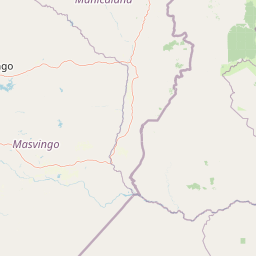
The landscape of Zinave National Park is characterized by relatively flat terrain with subtle elevation changes, ranging from 110 metres along the Save River in the north to 174 metres at the southeastern boundary. The park sits in a transitional ecological zone between wet and dry tropical areas, receiving mean annual rainfall of approximately 690 millimetres in the northeast and 571 millimetres in the western sections. The terrain is dominated by sandy soils, with clay soils concentrated along the Save River floodplain from alluvial sediments. The Save River itself plays a central hydrological role, with its channel carrying flood waters during rainy seasons and exposing extensive sandbanks during drier periods. Seasonal pans are scattered throughout the park, with some being quite substantial. The landscape supports a mosaic of vegetation types, including riverine forest along the Save River, acacia woodland on sandy substrates, extensive mopane-dominated closed woodlands on heavier soils, and miombo woodlands in the higher, wetter southeastern portions. Open sandveld landscapes with deep reddish sandy soils also occur within the park boundaries.
Zinave National Park ecosystems, habitats, and plant life
The ecological character of Zinave National Park reflects its position in a transitional tropical zone, supporting a complex mosaic of habitats that includes riverine forests, acacia savanna, mopane woodlands, miombo landscapes, and seasonal wetlands. The park supports very diverse tree species and at least 41 documented grass species. The riverine forest community develops along the banks and levees of the Save River, with diverse tree species reaching heights up to 20 metres, though this habitat has been degraded by shifting cultivation. The acacia nigrescens woodland covers approximately 10.5 per cent of the park and transitions into mopane and miombo landscapes in the southern areas. The mopane landscape, found on heavier soils, dominates 37.5 per cent of the park as closed woodlands. The sandveld landscape occupies 16.7 per cent of the park as open woodlands on deep reddish sandy soils. The miombo landscape covers 29.5 per cent of the park in the higher, wetter southeastern section, featuring open grasslands and wetlands. Mean annual rainfall supports these diverse vegetation communities despite the relatively dry conditions compared to more equatorial regions.
Zinave National Park wildlife and species highlights
Zinave National Park historically supported diverse large mammal populations, though a 2010 assessment revealed that most species had been severely depleted or eliminated by poaching during the civil war period. Species documented as locally extinct or nearly extinct include black rhinoceros, Cape buffalo, cheetah, reedbuck, eland, African bush elephant, South African giraffe, Lichtenstein's hartebeest, roan antelope, sable antelope, spotted hyena, blue wildebeest, and Selous' zebra. This represents a significant loss of megafauna that previously inhabited the ecosystem. The 2017 translocation of approximately 6,000 animals represents a major effort to restore the park's wildlife populations. The diverse tree species and extensive grass communities provide the ecological foundation for supporting restored wildlife populations, while the Save River corridor and seasonal pans offer critical water sources and habitat for various species.
Zinave National Park conservation status and protection priorities
Zinave National Park represents a significant conservation opportunity within Mozambique's protected area network and the broader Great Limpopo Transfrontier Park initiative. The park's integration into this transfrontier conservation area connects it with Banhine National Park, Massingir and Corumana areas in Mozambique, and multiple private and state-owned conservation areas in South Africa and Zimbabwe. The landscapes within Zinave are considered highly suitable for reintroducing species that were exterminated during the civil war, with initial introductions planned for secure sanctuary areas. The restoration strategy recognizes the park's potential as an ecological corridor within the Limpopo basin system. Conservation challenges include managing human-wildlife interaction with approximately 4,200 people living within the park boundaries, addressing historical habitat degradation from shifting cultivation, and building sustainable protection capacity. The donation and translocation of 6,000 animals in 2017 demonstrates concrete progress toward restoring the park's ecological integrity.
Zinave National Park cultural meaning and human context
Approximately 4,200 people live within Zinave National Park boundaries, practicing subsistence farming predominantly in the miombo landscape areas. These communities employ traditional agricultural practices including shifting cultivation, where farmers cut branches from trees while leaving trunks standing, burn the branches to form ash for field nutrients, and then abandon fields after three to four years to allow the miombo woodland to regenerate. Communities also utilize termite hills flattened for maize cultivation and cultivate pan edges as seasonal water recedes. Local communities selectively harvest trees for house and livestock pen construction, use grass for thatching, and strip tree bark for beehives, a practice that kills the trees. The people make extensive use of medicinal plants and fruits, and maintain cattle and goat herds within the park, though in low numbers with light grazing pressure. The environmental impact of these traditional practices is considered relatively low given the small percentage of cultivated area.
Top sights and standout views in Zinave National Park
Zinave National Park stands out for its role as a wildlife restoration flagship within the Greater Limpopo Transfrontier Park network. The park's diverse habitat mosaic, spanning riverine forests, mopane woodlands, acacia savanna, and miombo landscapes, supports significant ecological potential. The ambitious animal translocation program, with 6,000 animals introduced starting in 2017, represents one of the most substantial restocking efforts in southern Africa. The Save River corridor provides a critical hydrological and ecological backbone to the park, while the seasonal pans create important wet-season habitat. The park's position in a transition zone between wet and dry tropical ecosystems gives it a distinctive ecological character. The integration into a transfrontier conservation area spanning three countries positions Zinave as a key component of regional conservation strategy.
Best time to visit Zinave National Park
Zinave National Park is best visited during the dry season from May to October, when wildlife congregates around remaining water sources and vegetation is less dense, improving visibility for animal viewing. The wet season from November to April brings seasonal rains that replenish pans and rivers but can make some areas difficult to access and wildlife more dispersed. The park's location in a transition zone means it experiences a semi-arid climate with distinct wet and dry periods. The cooler dry season months typically offer more comfortable conditions for exploring the park, though visitors should note that infrastructure and services are limited compared to more established safari destinations.