

Mori Atlas logo
National parkHasties Swamp National Park

Explore a unique seasonal wetland habitat surrounded by open eucalypt forest landscapes.

Hasties Swamp National Park: Queensland's Premier Wetland National Park for Birdlife

Hasties Swamp National Park, situated in Queensland, Australia, is a significant protected area offering a unique seasonal wetland landscape. This national park is a vital habitat, particularly renowned for supporting an exceptional diversity of bird species, including the striking sarus crane. The park's geographic setting on the Atherton Tablelands, at an elevation of 826 metres, contributes to its distinctive character, blending aquatic environments with surrounding eucalypt forests for rich landscape context.

wetlandbirdwatchingQueenslandnational parkseasonal wetlandFar North Queensland

Hasties Swamp National Park

National park

Park overview

Structured park overview, official facts, and landscape profile for Hasties Swamp National Park

Hasties Swamp National Park park facts, protected area profile, and essential visitor context
Review the core facts for Hasties Swamp National Park, including designation, size, terrain, visitor scale, habitats, and operating context in one park-focused overview.

About Hasties Swamp National Park

Hasties Swamp National Park represents a significant protected area within the Wet Tropics bioregion of Far North Queensland. The park's central feature is a seasonal wetland that undergoes natural flooding and drying cycles, creating a dynamic habitat that supports diverse ecological communities. The wetland is surrounded by open eucalypt forest, forming a landscape mosaic that transitions from aquatic environments through fringing vegetation to drier woodland habitats. This heterogeneity supports the remarkable avian diversity for which the park is renowned, with the wetland providing feeding, breeding, and resting areas for hundreds of bird species. The park's relatively small size belies its ecological importance, as protected wetlands in this region serve as critical refuges for wildlife amid agricultural and pastoral development. Visitor facilities have been developed with accessibility in mind, ensuring that the natural values of the park can be enjoyed by a wide range of visitors.

Quick facts and research context for Hasties Swamp National Park

Hasties Swamp National Park covers 57 hectares (140 acres) of protected wetland and forest in Far North Queensland. The park is situated at approximately 826 metres elevation and is located several kilometres south of Atherton. Established in April 1980, the park protects a seasonal wetland ecosystem that supports up to 300 bird species. Notable bird species found in the park include the sarus crane, pale-vented bush-hen, and buff-banded rail. The park features an accessible bird hide for wildlife observation.

Park context

Deeper park guide and search-rich context for Hasties Swamp National Park

Hasties Swamp National Park history, landscape, wildlife, and travel context
Explore Hasties Swamp National Park through its history, landscape character, ecosystems, wildlife, conservation priorities, cultural context, and seasonal travel timing in a structured park guide built for atlas discovery and search intent.

Why Hasties Swamp National Park stands out

Hasties Swamp is best known for its exceptional birdlife, with the wetland habitat supporting up to 300 bird species. The park is particularly notable for populations of the sarus crane, a large and striking ground-dwelling bird that inhabits wetlands and grasslands. The seasonal wetland also provides crucial habitat for the pale-vented bush-hen and buff-banded rail, both of which are ground-dwelling birds associated with wetland margins anddense vegetation. The accessible bird hide allows visitors to observe these species in their natural habitat, making it a destination for birdwatching enthusiasts and nature observers.
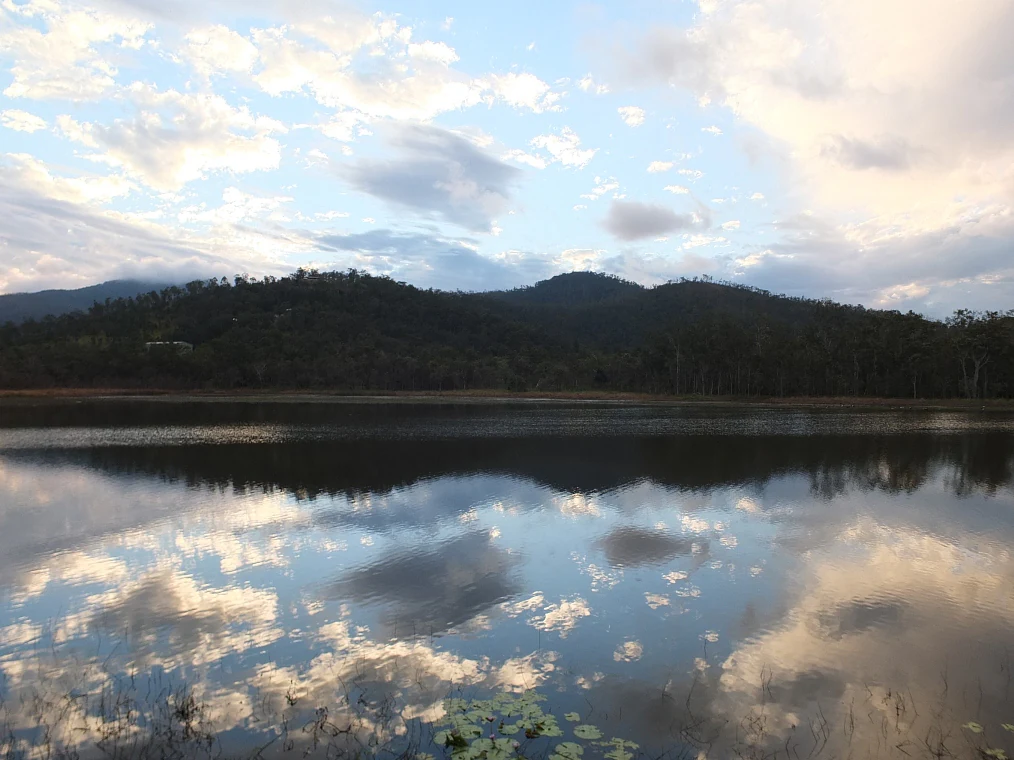
Hasties Swamp National Park
Photograph of Hasties Swamp at sunset.

Hasties Swamp National Park history and protected-area timeline

Hasties Swamp was officially declared a national park on 5 April 1980, establishing formal protection for this important wetland ecosystem. The declaration reflected growing recognition during the late 1970s of the need to preserve significant natural areas across Queensland. Prior to national park status, portions of the swamp had already received some level of protection, though the formal designation ensured comprehensive conservation management. The establishment of the park contributed to a broader network of protected areas in Far North Queensland that collectively work to preserve the region's unique biodiversity. Administration of the park falls to the Queensland Parks and Wildlife Service, which manages the area as part of Queensland's national park system.

Hasties Swamp National Park landscape and geographic character

The landscape of Hasties Swamp National Park is defined by the seasonal wetland at its core, surrounded by open eucalypt forest on higher ground. The wetland occupies a depression within the terrain, filling with water during the wet season and becoming drier during the dry season, creating the characteristic seasonal wetland habitat. The surrounding terrain rises gently to elevations around 826 metres above sea level, with the eucalypt forest forming an open woodland canopy over the underlying substrate. The combination of still water, emergent vegetation, and surrounding woodland creates a visually distinctive landscape within the Atherton Tablelands region. The park's compact size means that visitors can traverse from the wetland edge to the forest margin within a short distance, experiencing the transition between these habitat types.

Hasties Swamp National Park ecosystems, habitats, and plant life

The ecological character of Hasties Swamp National Park centers on its seasonal wetland habitat, which supports rich biodiversity despite the park's relatively small area. The wetland undergoes natural hydrological cycles that create varying conditions throughout the year, supporting different ecological communities as water levels rise and fall. The fringing vegetation around the wetland provides important habitat structure, while the surrounding eucalypt forest offers additional ecological niches. The park is recognized as an important area for avian biodiversity, with documented bird species richness reaching up to 300 species. This exceptional bird diversity reflects the importance of the wetland as a habitat resource in a region where natural wetlands have been reduced by agricultural development.

Hasties Swamp National Park wildlife and species highlights

Hasties Swamp is renowned for its birdlife, with the wetland and surrounding forest supporting remarkable avian diversity. The sarus crane, one of the world's largest crane species, is found in the park and uses the wetland habitats for feeding and breeding. The pale-vented bush-hen, a ground-dwelling bird species that inhabits dense vegetation around wetlands, is another notable resident. The buff-banded rail also occurs in the park, another ground-dwelling bird associated with wetland margins and vegetated areas. These species represent the park's significance as protected habitat for birds that depend on wetland environments. The broader bird community includes both waterbird species that utilize the wetland directly and woodland species that inhabit the surrounding forest.

Hasties Swamp National Park conservation status and protection priorities

Hasties Swamp National Park plays an important role in conserving wetland habitat within the heavily modified agricultural landscape of the Atherton Tablelands. The protected wetland provides a refugium for wildlife species in a region where natural wetlands have been extensively cleared for farming and grazing. The park's inclusion in Queensland's national park system ensures ongoing management that protects its ecological values. The habitat supports species of conservation concern, with the wetland providing essential feeding and breeding areas. The park contributes to the broader conservation network in Far North Queensland, working alongside other protected areas to maintain biodiversity in this ecologically significant region.

Top sights and standout views in Hasties Swamp National Park

The seasonal wetland at the heart of Hasties Swamp National Park represents the park's most distinctive feature, supporting exceptional birdlife in a scenic setting on the Atherton Tablelands. The accessible bird hide provides visitors with opportunities to observe wildlife, including the impressive sarus crane, without disturbing the animals. The compact size of the park makes it accessible for visitors seeking a concentrated nature experience, with the wetland-forest mosaic providing ecological diversity within a manageable area. The park's elevation of 826 metres contributes to a distinct highland wetland character that differs from lowland tropical wetlands in the region.

Best time to visit Hasties Swamp National Park

The best time to visit Hasties Swamp National Park depends on seasonal conditions, as the wetland is seasonal in nature. The wet season typically brings higher water levels to the wetland, creating ideal conditions for waterbirds and providing a different visual experience than the drier months. Birdwatching opportunities can be productive throughout the year, though the observable species may vary as water conditions change. The accessible bird hide allows for wildlife observation regardless of the season, making the park a viable destination year-round for visitors interested in observing the park's avian inhabitants.

Park location guide

Geography guide, regional context, and park location map for Hasties Swamp National Park

Hasties Swamp National Park park geography, regions, and map view in Australia
Understand where Hasties Swamp National Park sits in Australia through a broader geographic reading of the surrounding landscape, nearby location context, and its mapped position within the national park landscape.

How Hasties Swamp National Park fits into Australia

Australia is a constitutional monarchy and federal parliamentary democracy comprising six states and ten territories. With a population of nearly 28 million, it is one of the world's most urbanised countries, with most people concentrated on the eastern seaboard. The country has a high Human Development Index and is known for its cultural diversity, ancient Aboriginal heritage, and unique wildlife.

Wider geography shaping Hasties Swamp National Park in Australia

Australia occupies the entire Australian continent, the island of Tasmania, and numerous smaller islands. It is the world's flattest and driest inhabited continent, featuring vast deserts in the interior (the Outback), tropical rainforests along the eastern coast, and a coastline bordering the Indian and Pacific Oceans.

Map view of Hasties Swamp National Park

Use this park location map to pinpoint Hasties Swamp National Park in Australia, understand its exact geographic position, and read its mapped placement within the surrounding landscape more clearly.

Pigeon | © OpenStreetMap contributors

Location context for Hasties Swamp National Park

Queensland

Discover the unique seasonal wetland, eucalypt forest, and diverse habitats through compelling protected area imagery.

Explore Hasties Swamp National Park Photos: Wetland Landscapes and Birdlife Scenery
Visually explore Hasties Swamp National Park, a vital wetland habitat in Far North Queensland, Australia, through a dedicated collection of images showcasing its unique landscapes and key birdlife. The gallery helps users understand the park's characteristic seasonal wetland, surrounding eucalypt forest, and the specific terrain that defines this crucial protected area for numerous species.

Hasties Swamp National Park

Park atlas

Trace the broader regional geography, comparing diverse wetland habitats and adjacent protected landscapes surrounding Hasties Swamp.

Browse Other National Parks and Protected Areas Near Hasties Swamp National Park
Continue your exploration from Hasties Swamp National Park by browsing other national parks and protected areas across the diverse landscapes of Far North Queensland, Australia. Compare a wider array of wetland systems, eucalypt forests, and distinct geographical features, gaining deeper regional context for protected-area distribution.
National parkTablelands Region

Herberton Range National Park: Protected Landscape and Regional Geographic Context

Explore mapped forest ecosystems and watershed importance in North Queensland.

Herberton Range National Park represents a crucial protected landscape within Australia's Tablelands Region. This national park is notable for preserving endangered wet sclerophyll forests, a vital ecosystem that has diminished across Queensland. Its boundaries encompass a rich mosaic of tropical rainforest and open forest, contributing to ecological diversity and providing essential watershed protection for three major river systems. The park's location offers a compelling case study in regional land conservation and landscape mapping.

Area
65.36 km²
Established
2008
IUCN
II
National parkQueensland

Crater Lakes National Park: Queensland's Volcanic Crater Lakes and Ancient Rainforest Atlas

Explore the mapped boundaries and natural geography of this protected landscape.

Crater Lakes National Park in Queensland, Australia, preserves two spectacular volcanic crater lakes formed by ancient phreatomagmatic eruptions. This protected area is renowned for its unique geological formations, including Lake Barrine and Lake Eacham, set amidst a lush subtropical rainforest dotted with iconic giant bull kauri pines. Dive into the detailed geography and mapped landscape context of this significant national park, offering insights into its volcanic origins and ecological significance within the Wet Tropics.

Area
9.59 km²
Established
1994
IUCN
II
National parkQueensland

Millstream Falls National Park: Australia's Widest Single-Drop Waterfall and Queensland Geography

Explore the mapped boundaries and unique landscape of this significant national park.

Millstream Falls National Park, a protected area in Far North Queensland, Australia, stands out for its impressive Big Millstream Falls, recognized as the widest single-drop waterfall in the country. This national park provides a concentrated study of volcanic geology and tropical landscape, with the waterfall cascading over a basalt cliff amid lush vegetation. As a key component of Queensland's protected lands, its mapped boundaries and regional geographic context are essential for understanding this unique natural feature. The park's compact size and dramatic scenery offer a distinct atlas point for exploring Australia's diverse natural heritage.

Area
3.72 km²
IUCN
II
National parkQueensland

Frankland Group National Park: Queensland's Continental Island National Park Protected Landscape

Mapped island geography and critical bird habitats.

Frankland Group National Park comprises a rare chain of five continental islands off the coast of Far North Queensland, Australia, near Cairns. These islands, including High Island and Normanby Island, present a unique landscape of exposed rock formations and native vegetation, differing significantly from the region's coral cays. The park protects vital habitats for diverse birdlife, including numerous seabird colonies, offering a distinct protected coastal environment for atlas exploration and understanding regional geography.

Area
0.77 km²
Established
1994
IUCN
II
National parkQueensland

Tully Gorge National Park: Queensland National Park Landscape and Geography

Explore mapped boundaries and regional terrain context.

Delve into the protected landscape of Tully Gorge National Park, a key national park located in Queensland. This resource provides insights into its geographic positioning, mapped park boundaries, and the surrounding natural terrain, offering a valuable perspective for atlas exploration and understanding Australia's protected areas.

Area
543 km²
Established
1923
IUCN
II
National parkQueensland

Hann Tableland National Park: Queensland's Upland Forest National Park

Explore mapped boundaries and unique protected landscape.

Hann Tableland National Park, located in Queensland, Australia, is a protected area safeguarding a unique upland forest landscape within the Einasleigh Uplands. This national park is particularly notable for its conservation efforts for threatened marsupial species, including the northern greater glider and northern quoll, alongside the buff-breasted button-quail. Its relatively remote character and undeveloped natural environment offer a wilderness experience distinct from more accessible parks. Discover the mapped geography and protected-area context of Hann Tableland National Park, a vital component of northern Queensland's conservation landscape.

Area
108.2 km²
Established
1989
IUCN
II
National parkTablelands Region

Koombooloomba National Park: Endangered Wet Sclerophyll Forest Atlas & Geographic Discovery

Mapping the protected landscape of this Queensland national park.

Koombooloomba National Park serves as a vital sanctuary for one of eastern Australia's most endangered forest types, wet sclerophyll forest. Its inclusion within the Wet Tropics World Heritage Area highlights its global ecological importance, preserving ancient rainforest ecosystems and unique regional biodiversity. This detailed entry offers an atlas-driven perspective on the park's protected boundaries and its distinct landscape, situated within the Tablelands Region's geography.

Area
292.58 km²
IUCN
II
Climate
Tropical
Scope
Terrestrial
National parkQueensland

Fitzroy Island National Park: Queensland's Protected Island Ecosystem and Coral Reef Atlas

Continental island landscape with rainforest and Great Barrier Reef proximity.

Fitzroy Island National Park protects a significant continental island ecosystem within Queensland, Australia, offering a unique interface between tropical rainforest and coral reef environments. The park's mapped landscape includes diverse terrain from rocky shores to elevated viewpoints overlooking the Great Barrier Reef Marine Park. Discover the distinct island geography and the protected natural values that define this remarkable coastal protected area.

Area
3.24 km²
Established
1939
IUCN
II

Common questions about visiting, size, designation, and location context for Hasties Swamp National Park

Hasties Swamp National Park FAQs for park facts, access, geography, and protected area context
Find quick answers about Hasties Swamp National Park, including protected-area facts, park geography, trail and visitor context, and how the park fits into its surrounding country and regional landscape.
MoriAtlas Explorer

Continue Your Protected Areas Search Across the Global Atlas

Deepen your exploration by continuing the structured search for national parks and protected areas worldwide. Utilize the comprehensive filtering capabilities to compare different conservation landscapes and refine your understanding of global park geography. Discover more about the distribution and characteristics of protected natural areas.

Global natural geography