

Why Hasties Swamp National Park stands out
Hasties Swamp is best known for its exceptional birdlife, with the wetland habitat supporting up to 300 bird species. The park is particularly notable for populations of the sarus crane, a large and striking ground-dwelling bird that inhabits wetlands and grasslands. The seasonal wetland also provides crucial habitat for the pale-vented bush-hen and buff-banded rail, both of which are ground-dwelling birds associated with wetland margins anddense vegetation. The accessible bird hide allows visitors to observe these species in their natural habitat, making it a destination for birdwatching enthusiasts and nature observers.
Hasties Swamp National Park history and protected-area timeline
Hasties Swamp was officially declared a national park on 5 April 1980, establishing formal protection for this important wetland ecosystem. The declaration reflected growing recognition during the late 1970s of the need to preserve significant natural areas across Queensland. Prior to national park status, portions of the swamp had already received some level of protection, though the formal designation ensured comprehensive conservation management. The establishment of the park contributed to a broader network of protected areas in Far North Queensland that collectively work to preserve the region's unique biodiversity. Administration of the park falls to the Queensland Parks and Wildlife Service, which manages the area as part of Queensland's national park system.
Hasties Swamp National Park landscape and geographic character
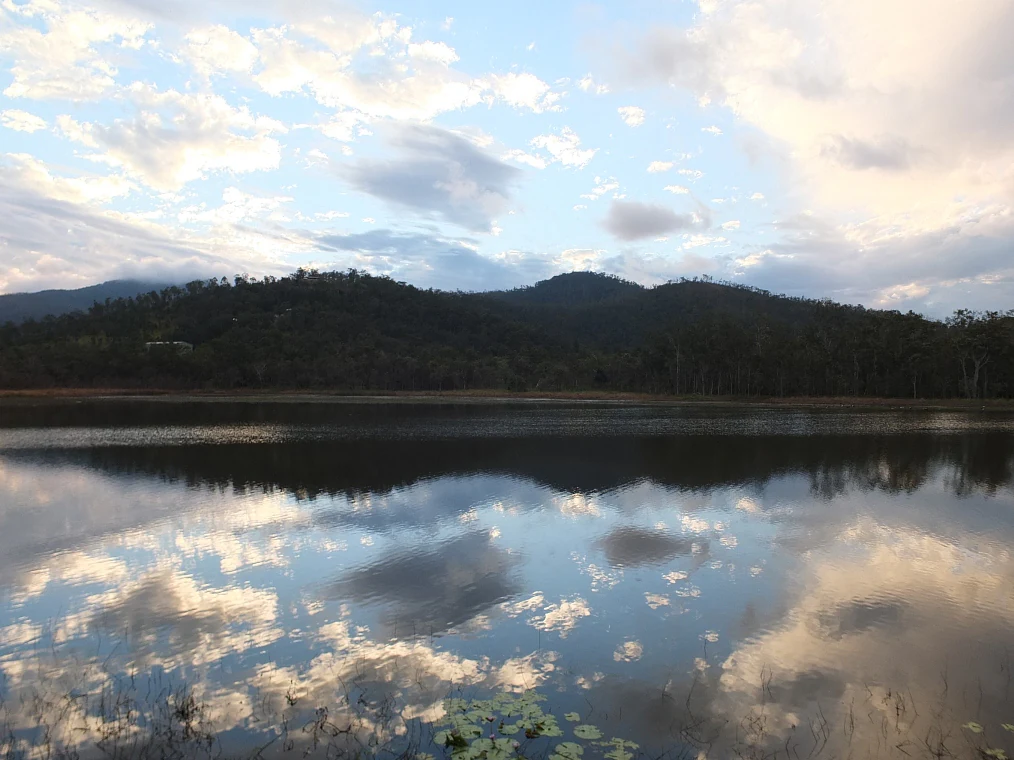
The landscape of Hasties Swamp National Park is defined by the seasonal wetland at its core, surrounded by open eucalypt forest on higher ground. The wetland occupies a depression within the terrain, filling with water during the wet season and becoming drier during the dry season, creating the characteristic seasonal wetland habitat. The surrounding terrain rises gently to elevations around 826 metres above sea level, with the eucalypt forest forming an open woodland canopy over the underlying substrate. The combination of still water, emergent vegetation, and surrounding woodland creates a visually distinctive landscape within the Atherton Tablelands region. The park's compact size means that visitors can traverse from the wetland edge to the forest margin within a short distance, experiencing the transition between these habitat types.
Hasties Swamp National Park ecosystems, habitats, and plant life
The ecological character of Hasties Swamp National Park centers on its seasonal wetland habitat, which supports rich biodiversity despite the park's relatively small area. The wetland undergoes natural hydrological cycles that create varying conditions throughout the year, supporting different ecological communities as water levels rise and fall. The fringing vegetation around the wetland provides important habitat structure, while the surrounding eucalypt forest offers additional ecological niches. The park is recognized as an important area for avian biodiversity, with documented bird species richness reaching up to 300 species. This exceptional bird diversity reflects the importance of the wetland as a habitat resource in a region where natural wetlands have been reduced by agricultural development.
Hasties Swamp National Park wildlife and species highlights
Hasties Swamp is renowned for its birdlife, with the wetland and surrounding forest supporting remarkable avian diversity. The sarus crane, one of the world's largest crane species, is found in the park and uses the wetland habitats for feeding and breeding. The pale-vented bush-hen, a ground-dwelling bird species that inhabits dense vegetation around wetlands, is another notable resident. The buff-banded rail also occurs in the park, another ground-dwelling bird associated with wetland margins and vegetated areas. These species represent the park's significance as protected habitat for birds that depend on wetland environments. The broader bird community includes both waterbird species that utilize the wetland directly and woodland species that inhabit the surrounding forest.
Hasties Swamp National Park conservation status and protection priorities
Hasties Swamp National Park plays an important role in conserving wetland habitat within the heavily modified agricultural landscape of the Atherton Tablelands. The protected wetland provides a refugium for wildlife species in a region where natural wetlands have been extensively cleared for farming and grazing. The park's inclusion in Queensland's national park system ensures ongoing management that protects its ecological values. The habitat supports species of conservation concern, with the wetland providing essential feeding and breeding areas. The park contributes to the broader conservation network in Far North Queensland, working alongside other protected areas to maintain biodiversity in this ecologically significant region.
Top sights and standout views in Hasties Swamp National Park
The seasonal wetland at the heart of Hasties Swamp National Park represents the park's most distinctive feature, supporting exceptional birdlife in a scenic setting on the Atherton Tablelands. The accessible bird hide provides visitors with opportunities to observe wildlife, including the impressive sarus crane, without disturbing the animals. The compact size of the park makes it accessible for visitors seeking a concentrated nature experience, with the wetland-forest mosaic providing ecological diversity within a manageable area. The park's elevation of 826 metres contributes to a distinct highland wetland character that differs from lowland tropical wetlands in the region.
Best time to visit Hasties Swamp National Park
The best time to visit Hasties Swamp National Park depends on seasonal conditions, as the wetland is seasonal in nature. The wet season typically brings higher water levels to the wetland, creating ideal conditions for waterbirds and providing a different visual experience than the drier months. Birdwatching opportunities can be productive throughout the year, though the observable species may vary as water conditions change. The accessible bird hide allows for wildlife observation regardless of the season, making the park a viable destination year-round for visitors interested in observing the park's avian inhabitants.
