Mori Atlas logo
Protection category

Discover protected lands in Gambia managed for specific species and habitat conservation.

Gambia Habitat/Species Management Area Protected Areas: IUCN Category IV Parks and Landscapes

Gambia hosts protected areas designated as Habitat/Species Management Areas under IUCN Category IV, a classification focused on targeted conservation interventions for particular species or habitats. These areas are vital for maintaining specific ecological conditions, often requiring adaptive management strategies to support biodiversity within the country's geography. Explore how Gambia's protected lands are utilized for focused ecological stewardship and species preservation.

Gambia Habitat/Species Management Area Protected Areas: IUCN Category IV Parks and Landscapes
Parks in this category

Mapped Protected Landscapes and Key Wildlife Reserves within Gambia's Conservation Network

Gambia Habitat/Species Management Area Parks: Explore Protected Areas Focused on Conservation
Browse a focused list of Habitat/Species Management Area protected areas in Gambia, showcasing sites primarily dedicated to safeguarding specific species or critical habitats. Filtering by this IUCN category offers a clear view of Gambia's targeted conservation efforts, allowing users to discover how the nation's natural heritage is protected through specialized management strategies.
Nature reserveGambia

Abuko Nature Reserve

Explore its mapped boundaries and geographic context.

Abuko Nature Reserve is a protected natural area situated in Gambia, offering a distinct focus for understanding protected landscapes. This entry provides essential details for atlas-based discovery, highlighting the reserve's mapped boundaries and its role within the regional geography. Examine Abuko Nature Reserve to gain clarity on its protected status and its contribution to the mapped natural terrain of West Africa.

1.07 km²1968TropicalEasy access
Country pattern

Explore how Habitat/Species Management Areas are established for focused ecological management, maintaining crucial habitats and species within Gambia.

Gambia's Habitat/Species Management Areas: IUCN Category IV Protected Landscapes
Habitat/Species Management Areas in Gambia, designated as IUCN Category IV, are protected landscapes actively managed to conserve specific species, their habitats, or unique ecological conditions. Explore how these focused areas, exemplified by Abuko Nature Reserve, uphold precise biodiversity goals and demonstrate targeted conservation across The Gambia's West African geography.

Matching parks

1

These parks and protected areas currently define how Habitat/Species Management Area appears across Gambia.

Category focus

A protected area managed mainly to protect particular species or habitats, often through targeted, regular, or adaptive conservation interventions.

Representative parks

Abuko Nature Reserve
Management profile

Targeted habitat management

Habitat/Species Management Area
IUCN Category IV is built around focused ecological management. Rather than emphasizing wilderness, a singular monument, or broad public recreation, this category is used where the central task is to maintain, conserve, restore, or manage particular species, habitats, or ecological conditions. Many Category IV areas require active intervention, sometimes on an ongoing basis, because their conservation values depend on management actions such as water-level control, grazing regimes, fire management, invasive-species removal, nest-site protection, or habitat restoration. The category is especially important for places where biodiversity goals are precise, operational, and management-intensive.

Definition

A Habitat/Species Management Area is a protected area that aims to protect particular species or habitats and whose management reflects this priority. Many areas in this category require regular, active interventions to address the needs of particular species or to maintain specific habitats, although intensive intervention is not an absolute requirement in every case. The key point is that management is deliberately oriented toward identifiable conservation outcomes for habitats, ecological communities, or species assemblages rather than toward a broader wilderness or landscape experience.

Key characteristics

Category IV areas are often more specific in ecological focus than other protected-area categories. They may protect bird nesting islands, wetlands managed for migratory species, heathlands that depend on disturbance regimes, grasslands maintained by grazing, breeding ponds, coastal habitats, coral assemblages, forest patches, or recovery landscapes for threatened species. Some sites are relatively small and highly specialized, while others are larger and contain multiple management units. What defines them is not simply their size or beauty, but the fact that conservation success often depends on active and sometimes repeated management tailored to ecological needs. In many systems, Category IV is one of the most practical and operational categories for day-to-day biodiversity conservation.

Management focus

Management in Category IV areas is usually active, adaptive, and closely tied to measurable ecological targets. Managers may restore habitat structure, regulate hydrology, remove invasive species, manage vegetation through mowing or grazing, protect breeding locations, maintain early-successional habitat, or implement species recovery plans. Monitoring is often central, because the category tends to involve specific management outcomes that can be tracked over time. Visitor use may be allowed, but it is usually secondary to ecological objectives and may be restricted if it conflicts with species or habitat needs. The category is often associated with sites where conservation value depends not on leaving the area alone, but on stewarding it carefully and repeatedly in response to ecological evidence.

Protection purpose

The purpose of Category IV is to secure the long-term conservation of particular habitats, species, or ecological conditions through focused management that directly addresses their needs. It exists for situations where general protection alone is insufficient and where biodiversity outcomes depend on deliberate conservation action.

Management objective

Typical objectives include conserving threatened or characteristic species, maintaining or restoring priority habitats, supporting breeding, feeding, roosting, or migration functions, applying site-specific management interventions, controlling ecological threats such as invasive species or hydrological disruption, monitoring conservation outcomes, and adapting management over time to improve habitat condition and species persistence.

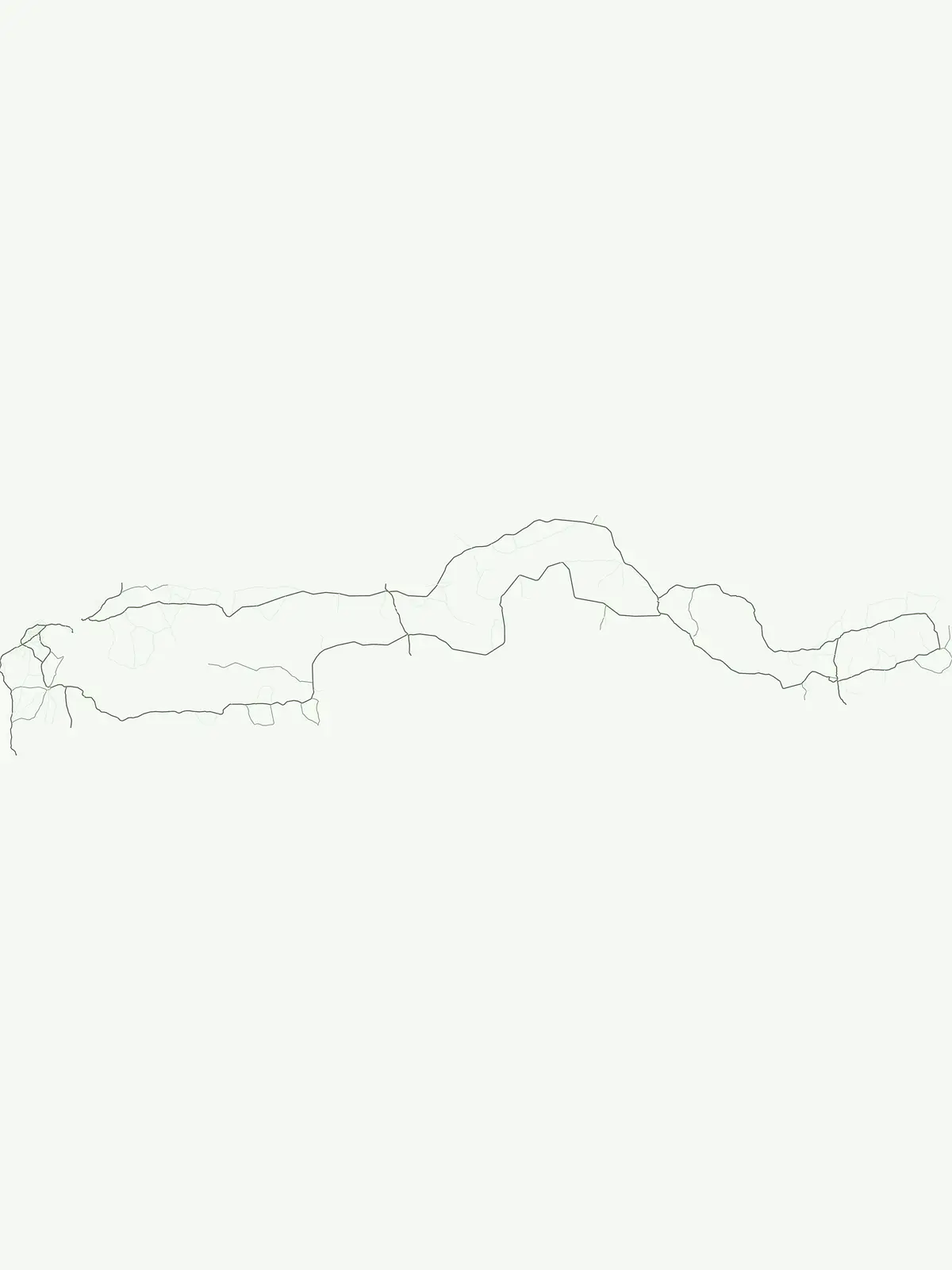
Global context
Wider background behind Habitat/Species Management Area
This reference block covers the broader history and global examples that define Habitat/Species Management Area as an IUCN management category, rather than the country-specific park pattern shown elsewhere on the page.

Category history

This category reflects an important shift in modern conservation: the recognition that some protected areas cannot achieve their goals through passive protection alone. As landscapes became fragmented and many habitats increasingly shaped by historical land use, conservation practice expanded to include management-intensive approaches aimed at keeping or restoring specific ecological conditions. The IUCN category system acknowledges this reality through Category IV, which gives a clear home to protected areas whose purpose is highly targeted habitat or species conservation. It has become especially relevant in regions where biodiversity depends on active stewardship rather than complete exclusion of human intervention.

Global examples

Examples often include bird sanctuaries, wetland reserves managed for migratory species, heathland and grassland reserves maintained by mowing or grazing, breeding habitat protection sites, and specialized conservation areas established for threatened plants, reptiles, mammals, or marine species. Depending on national systems, many wildlife refuges, habitat reserves, and species-focused nature reserves may align with Category IV where management clearly prioritizes targeted ecological outcomes.

More categories

Compare Gambia's Diverse National Park Classifications and Conservation Landscapes

Explore Other IUCN Protected Area Categories in Gambia: A Comprehensive Atlas
Browse Gambia's diverse IUCN protected area categories, extending beyond Habitat/Species Management Areas to include national parks and sites for sustainable resource use. Compare varied conservation objectives and their geographic impact across Gambia's protected landscapes, enhancing understanding of the nation's comprehensive park system.

IUCN category ii

National Park

A large natural or near-natural protected area managed to safeguard ecological processes, characteristic species, and ecosystems while also supporting education, recreation, and compatible visitor use.

Example parks

Niumi National Park, Tanji Bird Reserve, Kiang West National Park, River Gambia National Park, Tanbi Wetland Complex

IUCN category vi

Protected Area with Sustainable Use of Natural Resources

A generally large protected area that conserves ecosystems and cultural values while allowing compatible, low-level, non-industrial use of natural resources as part of its management approach.

Example parks

Bao Bolong Wetland Reserve

Explore Gambia's mapped park geography, riverine protected areas, and coastal conservation landscapes.

Frequently Asked Questions about National Parks and Protected Areas in Gambia
Understand key insights into Gambia's national parks and protected areas, exploring their geographic distribution and conservation significance across the country's unique West African terrain. These FAQs provide a structured overview of Gambia's protected landscapes, helping users map and compare their features within the broader regional context.
MoriAtlas Explorer

Continue Exploring Gambia's Habitat/Species Management Area Conservation Efforts

Delve deeper into Gambia's commitment to protecting specific species and habitats through its Habitat/Species Management Areas. Understanding these IUCN Category IV sites offers insight into targeted ecological stewardship and the natural landscapes they preserve. Browse related protected areas to gain a comprehensive view of conservation strategies implemented across Gambia's diverse geography.