Why Abuko Nature Reserve stands out
Abuko Nature Reserve is best known for its gallery forest ecosystem, which represents a rare remaining forest habitat in The Gambia's predominantly savanna landscape. The reserve is particularly celebrated for its exceptional bird diversity, hosting over 270 species including the green turaco, West African pied hornbill, and numerous other West African forest birds. The primate population is another standout feature, with three monkey species, including red colobus and patas monkeys, readily observable in the forest canopy. The presence of a wildlife orphanage at the reserve, housing hyenas and other animals, adds to its distinctive character among Gambian protected areas.
Abuko Nature Reserve history and protected-area timeline
The conservation story of Abuko Nature Reserve began in 1916 when the Lamin Stream was fenced to establish a water collection point, inadvertently creating an early protected zone that allowed forest vegetation and wildlife to flourish undisturbed. The area remained informally protected through subsequent decades while the surrounding lands were converted to agricultural use. In 1967, wildlife officer Eddie Brewer and his daughter Stella Marsden visited the forest and recognized its significant conservation value, prompting Brewer to formally request government protection for the area. This advocacy led directly to the establishment of the Gambia Department of Parks and Wildlife Management at Abuko in 1968, marking the formal creation of the reserve and the institutional foundation for Gambian conservation. The reserve has since served as a model for subsequent protected areas in the country and remains a cornerstone of Gambian environmental education and wildlife tourism.
Abuko Nature Reserve landscape and geographic character
The physical landscape of Abuko Nature Reserve is defined by gallery forest growing along the Lamin Stream, a watercourse that cuts through the reserve and provides the moisture corridor enabling forest vegetation to thrive in what would otherwise be a savanna environment. The forest canopy reaches heights of up to thirty feet, creating a closed environment with dense understory vegetation. The landscape features gentle terrain with the stream providing a natural focal point, while the forest edges transition abruptly to surrounding agricultural land, emphasizing the reserve's role as an ecological island within a modified landscape. The combination of permanent water, forest cover, and relatively limited extent creates a distinctive micro-environment that supports species more typically associated with larger forest blocks in West Africa.
Abuko Nature Reserve ecosystems, habitats, and plant life
The ecological character of Abuko Nature Reserve centers on its gallery forest ecosystem, a transitional habitat type that combines elements of West African savanna and true forest communities. The forest contains typical tree species including oil palm, mahogany, iroko, and Anthocleista procera, with the gallery forest formation supported by the permanent moisture from the Lamin Stream. This habitat supports an impressive diversity of species despite the reserve's modest size, with the forest providing critical foraging areas, nesting sites, and movement corridors for wildlife. The reserve has been recognized as an Important Bird Area by BirdLife International specifically because it supports significant populations of forest-dependent bird species that are increasingly restricted to remaining forest fragments across West Africa.
Abuko Nature Reserve wildlife and species highlights
The wildlife community at Abuko Nature Reserve is notably diverse for a small protected area. Three primate species inhabit the forest, including vervet monkeys, red colobus monkeys, and patas monkeys, with the red colobus being particularly associated with intact forest habitats across West Africa. Mammalian residents also include antelope, squirrel, porcupine, African palm civets, various mongoose species, galagos, and several rodent species including cane rats. The reptile population is particularly varied, featuring monitor lizards, Nile crocodiles, dwarf crocodiles, and multiple snake species including spitting cobras, black cobras, pythons, puff adders, and green mambas. The bird community exceeds 270 recorded species, with notable forest specialists including green turacos, West African pied hornbills, buff-spotted woodpeckers, and numerous other species. A wildlife orphanage at one end of the reserve provides care for animals in need, including a pack of hyenas.
Abuko Nature Reserve conservation status and protection priorities
Abuko Nature Reserve holds significance as The Gambia's first designated wildlife reserve and as an Important Bird Area recognized by BirdLife International. The reserve's IUCN Category IV classification reflects its focused management approach centered on maintaining habitat conditions and supporting viable populations of characteristic species. The gallery forest ecosystem represents a rare habitat type in Gambia, making the reserve's role in forest conservation particularly important given the extensive loss of forest cover across West Africa. The site serves as a genetic reservoir for forest-dependent species and provides ecological services including watershed protection along the Lamin Stream.
Abuko Nature Reserve cultural meaning and human context
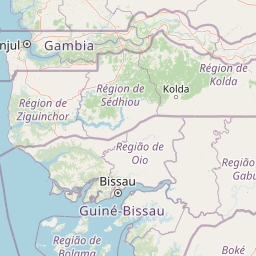
The establishment of Abuko Nature Reserve reflects the intersection of traditional Gambian land use and modern conservation practice, with the Lamin Stream having historical importance as a water resource long before formal protection was enacted. The reserve is situated near the town of Abuko in western Gambia, an area with ongoing human activity and agricultural land use surrounding the protected forest. The site has become an important location for environmental education in Gambia, with the Department of Parks and Wildlife Management using the reserve as an operational base and educational demonstration site.
Top sights and standout views in Abuko Nature Reserve
Abuko Nature Reserve offers exceptional birdwatching opportunities with over 270 species, making it one of the most bird-diverse sites in Gambia. The gallery forest provides reliable sightings of three monkey species, including the distinctive red colobus. The presence of the Lamin Stream adds aquatic habitat diversity and supports species not found in the surrounding savanna. The reserve serves as Gambia's oldest protected area, providing historical context for the country's conservation development. The compact size makes the reserve accessible for visitors seeking to experience West African forest wildlife within a manageable walking area.
Best time to visit Abuko Nature Reserve
The optimal time to visit Abuko Nature Reserve falls during the dry season months from November to May, when wildlife is more concentrated around water sources and vegetation is less dense, improving sighting opportunities. The cooler temperatures during this period make walking the forest trails more comfortable. The wet season brings lush green vegetation but animals become more dispersed and trails can be more challenging to navigate. Bird activity remains high year-round, with migratory species present during the northern winter months adding to the already substantial resident bird population.