Why Bao Bolong Wetland Reserve stands out
Bao Bolong Wetland Reserve is best known for its exceptional wetland ecosystem and remarkable bird diversity. The reserve hosts the tallest mangrove trees in the Senegambia region, with specimens reaching heights of 20 metres. It supports 268 bird species across 62 families, making it a prime destination for ornithologists and birdwatchers. The wetland provides critical habitat for significant waterbird populations including the pink-backed pelican, African darter, various herons, storks, and ibises. The reserve is also notable for its population of West African manateees, an endangered species that inhabits the waters between the mangroves. As Gambia's first Ramsar-designated wetland, it holds special significance in the national and international conservation context.
Bao Bolong Wetland Reserve history and protected-area timeline
Bao Bolong Wetland Reserve was first established on 1 January 1993 as Bao Bolong National Reserve, covering an initial area of 35 square kilometres. On 16 September 1996, the protected area was significantly expanded to approximately 220 square kilometres, transforming it into one of the largest wetland reserves in the Gambia. This expansion coincided with the site's designation as a Ramsar Wetland, making it the first area in the Gambia to receive protection under the Ramsar Convention on Wetlands. The Ramsar Convention, originally drafted under the auspices of UNESCO in 1971 and entering into force in 1975, provides international protection for significant wetland habitats, particularly those serving as homes for waterbirds and Charadriiformes. The designation of Bao Bolong as a Ramsar site marked a significant milestone in Gambian environmental conservation and established a framework for the protection of other wetland areas in the country, including the Tanbi Wetland Complex and Niumi National Park. There are ongoing plans to extend the protected area across the border into Senegal, with the intention of establishing joint management arrangements with Senegalese authorities to ensure comprehensive conservation of the transboundary wetland ecosystem.
Bao Bolong Wetland Reserve landscape and geographic character
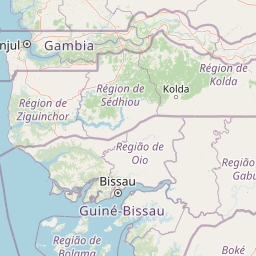
The landscape of Bao Bolong Wetland Reserve is defined by its low-lying coastal wetland character, with terrain so flat that the highest point reaches only 12 metres above sea level. The reserve is centred around the estuary of the Bao Bolong tributary, where this waterway meets the larger River Gambia. The protected area occupies a roughly linear configuration extending 22 kilometres in length with an approximate width of nine kilometres. The southern boundary is formed by the main channel of the River Gambia, while the northern edge is bordered by the north bank road, the second most important highway in the Gambia. A distinctive landscape feature is the dense mangrove forest that adjoins the river, stretching approximately 2.5 kilometres inland from the riverbank. This mangrove zone represents the most extensive and developed mangrove forest in the Senegambia region. Beyond the mangroves, the landscape transitions through salt marsh areas and into savanna terrain. The reserve incorporates several tributary waterways including Salokini Bolong, Mandon Bolong, Duntu Malang Bolong, Tanku Bolong, and Katchang Bolong, each contributing to the complex hydrological network that defines this wetland system.
Bao Bolong Wetland Reserve ecosystems, habitats, and plant life
The ecological character of Bao Bolong Wetland Reserve centres on its diverse wetland habitats, which support remarkable biodiversity across multiple ecosystem types. The mangrove forest represents the most significant habitat, with species including Rhizophora racemosa, red mangrove, and black mangrove reaching heights of 20 metres, the tallest in the Senegambia region. The salt marsh areas support succulent species such as Sesuvium portulacastrum and various grasses including Sporobolus spicatus, Paspalum vaginatum, and Diplachne fusca. Flooded savanna areas feature common species such as Phragmites karka, Echinochloa pyramidalis, and papyrus reed. The savanna zones support tree species including Daniellia oliveri, Terminalia albida, and Bombax costatum, alongside diverse shrubs and grasses. Important protected tree species identified in the Ramsar Information Sheet include Pterocarpus erinaceus, Parinari macrophylla, the ana tree, wild mango trees, and Néré. The wetland supports complex ecological interactions between terrestrial and aquatic systems, creating a rich mosaic of habitats that sustain diverse plant and animal communities.
Bao Bolong Wetland Reserve wildlife and species highlights
Bao Bolong Wetland Reserve supports exceptional wildlife diversity, particularly in avifauna, with 268 bird species from 62 families recorded within its boundaries. The reserve has been designated an Important Bird Area by BirdLife International, recognizing its global significance for bird conservation. Waterbirds form a particularly prominent group, featuring comb duck, spur-winged goose, white-faced whistling duck, garganey, northern pintail, African pygmy goose, and northern shoveler. The reserve provides crucial habitat for numerous heron species including western reef heron, little egret, squacco heron, little bittern, Goliath heron, great egret, grey heron, and cattle egret. Stork species present include woolly-necked stork, marabou stork, and yellow-billed stork. The pink-backed pelican and African darter also inhabit the reserve. Waders such as spur-winged lapwing, little stint, and common sandpiper thrive in the brackish water areas. The kingfisher family is well represented with woodland kingfisher, pied kingfisher, giant kingfisher, malachite kingfisher, and blue-breasted kingfisher. Mammal diversity includes 32 species with African clawless otter, various antelopes including sitatunga, bushbuck, and duiker, warthogs, spotted hyena, and leopards. Primate species include red colobus, patas monkey, green monkey, Guinea baboon, and Senegal bushbaby. The endangered West African manatee inhabits the mangrove waterways, while West African crocodiles are also present. Fish diversity includes species such as barracuda, tilapia, mullet, and various other marine and freshwater species.
Bao Bolong Wetland Reserve conservation status and protection priorities
Bao Bolong Wetland Reserve holds particular significance in the conservation landscape of The Gambia and the broader West African region. As the first Ramsar-designated wetland in the Gambia, established on 16 September 1996, it pioneered the recognition of wetland conservation needs within the national protected area system. The Ramsar Convention provides international protection for this habitat, specifically focusing on the preservation of waterbird habitats and Charadriiformes populations. The reserve's designation as an Important Bird Area by BirdLife International further underscores its global conservation importance. Protected tree species within the reserve include Pterocarpus erinaceus, Parinari macrophylla, Acacia albida, Cordyla africana, and Parkia biglobosa, all of which receive protection within the reserve boundaries. The presence of endangered species including the West African manatee adds to the conservation significance of the site. Climate change represents an emerging threat, with the reserve included in the IPCC Sixth Assessment Report's list of African natural heritage sites potentially threatened by flooding and coastal erosion. Plans for transboundary extension into Senegal, with joint management arrangements, reflect a forward-looking approach to conservation that addresses the ecological connectivity of the wider wetland system.
Bao Bolong Wetland Reserve cultural meaning and human context
Bao Bolong Wetland Reserve exists within a landscape shaped by human settlement and traditional land use practices. Twenty-five small towns are situated around the reserve's boundaries, with one located within the park limits proper. Local communities have traditionally conducted fishing in the waters of the reserve for personal consumption, while their livestock graze within the protected area. Residents also collect timber and firewood from the reserve, activities that reflect the sustainable use principles underlying the site's IUCN Category VI designation. The town of Salikenne, with a population of approximately 4,000, lies to the west of the reserve near the Dobo Forest Park. The communities of Nja Kunda, Minti Kunda, Kekuta Kunda, No Kunda, Konti Kunda Sukoto, Konti Kunda Nji, and Illiassa are situated along the north bank road that borders the reserve. The eastern section of the reserve can be accessed via a nine-kilometre fork from the main road leading to the town of Katchang. Farafenni, the largest city in the North Bank Division with a population exceeding 30,000, lies approximately 18 kilometres to the east of the reserve's outer limits.
Top sights and standout views in Bao Bolong Wetland Reserve
Bao Bolong Wetland Reserve stands out as a premier wetland conservation area in West Africa, combining Ramsar designation, Important Bird Area status, and exceptional biodiversity within a single protected landscape. The reserve features the tallest mangroves in the Senegambia region, with trees reaching 20 metres in height. Its bird population of 268 species across 62 families makes it a magnet for ornithologists and birdwatchers. The presence of the endangered West African manatee adds a mammalian highlight of significant conservation importance. The site's position on the north bank of the River Gambia, approximately 100 kilometres from the Atlantic coast, creates a strategic location for transboundary conservation extending into Senegal. The diversity of habitats ranging from mangrove forest through salt marsh to savanna creates a complex ecological tapestry. As the first Ramsar site in the Gambia, the reserve established a precedent for wetland protection that continues to influence conservation planning throughout the country.
Best time to visit Bao Bolong Wetland Reserve
The optimal time to visit Bao Bolong Wetland Reserve aligns with the dry season in The Gambia, typically running from November through April. During this period, wildlife becomes more concentrated around remaining water sources, making animal sightings more predictable. Birdwatching is particularly productive during the dry season when migratory waterbirds are present and vegetation is less dense, allowing for clearer observations. The cooler temperatures during these months make outdoor exploration more comfortable. The wet season from May to October brings heavier rainfall and higher humidity, which can affect access within the wetland areas. However, the wet season transforms the landscape with fresh vegetation and may offer different wildlife viewing opportunities. For birdwatching specifically, the period from November to March coincides with the arrival of European migratory species, expanding the already diverse avifauna. The extreme flatness of the terrain means that seasonal flooding patterns can significantly alter accessibility and the character of the landscape.