
Mori Atlas logo
Nature reserveAbuko Nature Reserve

Discover the mapped boundaries and regional landscape context of this key protected area in Gambia.

Abuko Nature Reserve: Gambia's Protected Nature Reserve for Geographic Exploration

(Abuko National Park)

Abuko Nature Reserve stands as a significant protected landscape within the West African nation of Gambia. This nature reserve offers a focused point for exploring protected area geography, providing users with insights into its mapped boundaries and its contribution to the regional natural landscape. Delve into the specific context of Abuko Nature Reserve to understand its role within Gambia's protected lands and its place in a broader geographic atlas.

Gallery ForestWest AfricaBirdwatchingPrimatesImportant Bird AreaIUCN Category IV

Abuko Nature Reserve

Nature reserve

Park overview

Structured park overview, official facts, and landscape profile for Abuko Nature Reserve

Abuko Nature Reserve park facts, protected area profile, and essential visitor context
Review the core facts for Abuko Nature Reserve, including designation, size, terrain, visitor scale, habitats, and operating context in one park-focused overview.

About Abuko Nature Reserve

Abuko Nature Reserve occupies a unique position in The Gambia's conservation history as the country's first formally designated wildlife reserve, established in 1968 following the advocacy of wildlife officer Eddie Brewer. The reserve's foundation as a protected area actually traces back further to 1916, when the Lamin Stream that flows through the forest was fenced to create a water collection point. This early intervention had the unintended but beneficial effect of increasing wildlife and flora populations within the enclosed forest area. Today, the reserve protects a gallery forest ecosystem that stands in stark contrast to the surrounding agricultural and savanna landscapes of western Gambia, serving as a living demonstration of forest conservation in a region where natural forest cover is limited. The 107-hectare property provides critical habitat for species dependent on forest environments, while offering visitors an accessible introduction to Gambian wildlife through well-maintained trails and viewing opportunities.

Quick facts and research context for Abuko Nature Reserve

Abuko Nature Reserve spans 107 hectares in western Gambia, established in 1968 as the nation's inaugural wildlife reserve. The protected area centers on gallery forest habitat along the Lamin Stream, a watercourse that was first enclosed in 1916 to create a water collection point, marking the earliest conservation recognition of the area. The reserve supports three primate species, over 270 bird species, diverse mammals including antelope, mongooses, and African palm civets, and a notable reptile population featuring Nile crocodiles and multiple snake species. It is managed by the Gambia Department of Parks and Wildlife Management.

Park context

Deeper park guide and search-rich context for Abuko Nature Reserve

Abuko Nature Reserve history, landscape, wildlife, and travel context
Explore Abuko Nature Reserve through its history, landscape character, ecosystems, wildlife, conservation priorities, cultural context, and seasonal travel timing in a structured park guide built for atlas discovery and search intent.

Why Abuko Nature Reserve stands out

Abuko Nature Reserve is best known for its gallery forest ecosystem, which represents a rare remaining forest habitat in The Gambia's predominantly savanna landscape. The reserve is particularly celebrated for its exceptional bird diversity, hosting over 270 species including the green turaco, West African pied hornbill, and numerous other West African forest birds. The primate population is another standout feature, with three monkey species, including red colobus and patas monkeys, readily observable in the forest canopy. The presence of a wildlife orphanage at the reserve, housing hyenas and other animals, adds to its distinctive character among Gambian protected areas.

Abuko Nature Reserve history and protected-area timeline

The conservation story of Abuko Nature Reserve began in 1916 when the Lamin Stream was fenced to establish a water collection point, inadvertently creating an early protected zone that allowed forest vegetation and wildlife to flourish undisturbed. The area remained informally protected through subsequent decades while the surrounding lands were converted to agricultural use. In 1967, wildlife officer Eddie Brewer and his daughter Stella Marsden visited the forest and recognized its significant conservation value, prompting Brewer to formally request government protection for the area. This advocacy led directly to the establishment of the Gambia Department of Parks and Wildlife Management at Abuko in 1968, marking the formal creation of the reserve and the institutional foundation for Gambian conservation. The reserve has since served as a model for subsequent protected areas in the country and remains a cornerstone of Gambian environmental education and wildlife tourism.

Abuko Nature Reserve landscape and geographic character

The physical landscape of Abuko Nature Reserve is defined by gallery forest growing along the Lamin Stream, a watercourse that cuts through the reserve and provides the moisture corridor enabling forest vegetation to thrive in what would otherwise be a savanna environment. The forest canopy reaches heights of up to thirty feet, creating a closed environment with dense understory vegetation. The landscape features gentle terrain with the stream providing a natural focal point, while the forest edges transition abruptly to surrounding agricultural land, emphasizing the reserve's role as an ecological island within a modified landscape. The combination of permanent water, forest cover, and relatively limited extent creates a distinctive micro-environment that supports species more typically associated with larger forest blocks in West Africa.

Abuko Nature Reserve ecosystems, habitats, and plant life

The ecological character of Abuko Nature Reserve centers on its gallery forest ecosystem, a transitional habitat type that combines elements of West African savanna and true forest communities. The forest contains typical tree species including oil palm, mahogany, iroko, and Anthocleista procera, with the gallery forest formation supported by the permanent moisture from the Lamin Stream. This habitat supports an impressive diversity of species despite the reserve's modest size, with the forest providing critical foraging areas, nesting sites, and movement corridors for wildlife. The reserve has been recognized as an Important Bird Area by BirdLife International specifically because it supports significant populations of forest-dependent bird species that are increasingly restricted to remaining forest fragments across West Africa.

Abuko Nature Reserve wildlife and species highlights

The wildlife community at Abuko Nature Reserve is notably diverse for a small protected area. Three primate species inhabit the forest, including vervet monkeys, red colobus monkeys, and patas monkeys, with the red colobus being particularly associated with intact forest habitats across West Africa. Mammalian residents also include antelope, squirrel, porcupine, African palm civets, various mongoose species, galagos, and several rodent species including cane rats. The reptile population is particularly varied, featuring monitor lizards, Nile crocodiles, dwarf crocodiles, and multiple snake species including spitting cobras, black cobras, pythons, puff adders, and green mambas. The bird community exceeds 270 recorded species, with notable forest specialists including green turacos, West African pied hornbills, buff-spotted woodpeckers, and numerous other species. A wildlife orphanage at one end of the reserve provides care for animals in need, including a pack of hyenas.

Abuko Nature Reserve conservation status and protection priorities

Abuko Nature Reserve holds significance as The Gambia's first designated wildlife reserve and as an Important Bird Area recognized by BirdLife International. The reserve's IUCN Category IV classification reflects its focused management approach centered on maintaining habitat conditions and supporting viable populations of characteristic species. The gallery forest ecosystem represents a rare habitat type in Gambia, making the reserve's role in forest conservation particularly important given the extensive loss of forest cover across West Africa. The site serves as a genetic reservoir for forest-dependent species and provides ecological services including watershed protection along the Lamin Stream.

Abuko Nature Reserve cultural meaning and human context

The establishment of Abuko Nature Reserve reflects the intersection of traditional Gambian land use and modern conservation practice, with the Lamin Stream having historical importance as a water resource long before formal protection was enacted. The reserve is situated near the town of Abuko in western Gambia, an area with ongoing human activity and agricultural land use surrounding the protected forest. The site has become an important location for environmental education in Gambia, with the Department of Parks and Wildlife Management using the reserve as an operational base and educational demonstration site.

Top sights and standout views in Abuko Nature Reserve

Abuko Nature Reserve offers exceptional birdwatching opportunities with over 270 species, making it one of the most bird-diverse sites in Gambia. The gallery forest provides reliable sightings of three monkey species, including the distinctive red colobus. The presence of the Lamin Stream adds aquatic habitat diversity and supports species not found in the surrounding savanna. The reserve serves as Gambia's oldest protected area, providing historical context for the country's conservation development. The compact size makes the reserve accessible for visitors seeking to experience West African forest wildlife within a manageable walking area.

Best time to visit Abuko Nature Reserve

The optimal time to visit Abuko Nature Reserve falls during the dry season months from November to May, when wildlife is more concentrated around water sources and vegetation is less dense, improving sighting opportunities. The cooler temperatures during this period make walking the forest trails more comfortable. The wet season brings lush green vegetation but animals become more dispersed and trails can be more challenging to navigate. Bird activity remains high year-round, with migratory species present during the northern winter months adding to the already substantial resident bird population.

Park location guide

Geography guide, regional context, and park location map for Abuko Nature Reserve

Abuko Nature Reserve park geography, regions, and map view in Gambia
Understand where Abuko Nature Reserve sits in Gambia through a broader geographic reading of the surrounding landscape, nearby location context, and its mapped position within the national park landscape.

How Abuko Nature Reserve fits into Gambia

The Gambia is a small West African nation located along the Gambia River, which flows from east to west and empties into the Atlantic Ocean. It is the smallest country in continental Africa by area and is almost entirely surrounded by Senegal. The country gained independence from Britain in 1965 and operates as a unitary presidential republic with Banjul as its capital.

Wider geography shaping Abuko Nature Reserve in Gambia

The Gambia occupies a narrow strip of land along the Gambia River in West Africa. The country spans approximately 11,300 km² and is almost completely surrounded by Senegal, with only a short Atlantic coastline in the west. The terrain is generally flat with floodplains along the river.

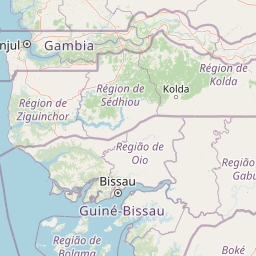
Map view of Abuko Nature Reserve

Use this park location map to pinpoint Abuko Nature Reserve in Gambia, understand its exact geographic position, and read its mapped placement within the surrounding landscape more clearly.

Pigeon | © OpenStreetMap contributors
Park atlas

Trace mapped park geography and discover adjacent conservation landscapes across The Gambia

Explore Other Protected Areas Near Abuko Nature Reserve, The Gambia's Gallery Forest Gem
Browse additional national parks and protected areas situated within the broader West African region, offering diverse ecosystems beyond Abuko Nature Reserve's distinctive gallery forest. Compare varied landscapes and conservation efforts across The Gambia, gaining deeper geographic insights into the country's unique protected natural heritage.
National parkGambia

Tanbi Wetland Complex National Park: A Mapped Protected Area in The Gambia

Explore its protected boundaries and regional landscape.

Delve into the geographic identity of Tanbi Wetland Complex National Park, a designated protected area within The Gambia. This page provides essential atlas-level information, focusing on its mapped natural landscape and its role as a significant national park. Understand the park's protected status and its geographical context along the Gambia River, offering a clear entry point for conservation landscape discovery.

Area
45 km²
Established
2001
IUCN
II
Relief
Lowland
National parkGambia

Tanji Bird Reserve National Park: Coastal Wetlands and Avian Diversity in Gambia

Explore unique geography and protected landscape boundaries.

Tanji Bird Reserve National Park showcases a distinctive coastal landscape where the Atlantic Ocean meets lagoons, dry woodland, and dune scrub. This 612-hectare protected area in The Gambia is celebrated for its incredible birdlife, with nearly 300 species recorded, including significant Palearctic migrants and the nation's sole breeding seabird colonies on the Bijol Islands. The reserve offers a rich context for understanding West African protected areas, mapped terrain, and coastal ecosystem geography.

Area
6.12 km²
Established
1993
IUCN
II
Relief
Lowland
National parkGambia

Niumi National Park: Gambia's Extensive Mangrove Forest and Coastal Wetland Protected Area

Explore the mapped boundaries and unique delta geography of this important national park.

Niumi National Park, situated in The Gambia, is a crucial protected coastal area celebrated for its vast Rhizophora mangrove forests and diverse wetland ecosystems. As a designated national park and Ramsar site, it serves as a critical habitat for numerous migratory bird species, particularly terns, and supports vulnerable marine life. Its landscape is characterized by tidal channels, brackish lagoons, and intertidal mudflats, creating a dynamic and ecologically significant protected zone that is a focal point for understanding West African coastal geography and conservation.

Area
49.4 km²
Established
1987
IUCN
II
Relief
Lowland
National parkSenegal

Saloum Delta National Park: Detailed Map Exploration of Senegal's Protected Landscape

Explore the mapped boundaries and regional terrain of this national park.

Saloum Delta National Park, a designated national park in Senegal, serves as a key entity for understanding protected landscapes in West Africa. This entry focuses on its geographic specificities, providing mapped context and details about its natural terrain. Users can explore the park's boundaries and regional landscape character, contributing to a richer atlas-based discovery of Senegal's conservation areas and natural geography.

Area
760 km²
Established
1976
Relief
Lowland
Climate
Tropical
National parkGambia

Kiang West National Park: National Park Detail and Protected Landscape Geography

Explore mapped boundaries and regional context in The Gambia.

Kiang West National Park serves as a crucial point for understanding protected natural areas within The Gambia, West Africa. This national park's identity is rooted in its geographic setting along the Gambia River, offering a distinct landscape context and mapped territory. Users can explore its boundaries and place within the nation's conservation network, contributing to a structured understanding of regional geography and protected lands.

Area
115 km²
Established
1987
IUCN
II
Relief
Lowland
Wildlife reserveGambia

Bao Bolong Wetland Reserve: West African Wildlife Reserve with Extensive Mangrove Ecosystems

Explore mapped terrain and crucial protected wetland boundaries.

Bao Bolong Wetland Reserve in Gambia is a significant protected area renowned for its ecological importance as a Ramsar wetland and Important Bird Area. This wildlife reserve features the tallest mangrove trees in the Senegambia region, transitioning through salt marshes to savanna, all centered around the Bao Bolong tributary's estuary. Its complex hydrological network and diverse habitats support 268 bird species and are crucial for the endangered West African manatee, offering a rich landscape for geographic and protected-area discovery.

Area
220 km²
Established
1996
IUCN
VI
Relief
Lowland
National parkZiguinchor Region

Basse Casamance National Park: National Park with Mapped Boundaries in Ziguinchor Region

Detailed protected landscape and regional geography context.

Basse Casamance National Park serves as a critical protected area, offering users a clear view of its national park designation and its specific geographic location within Senegal. This entity is vital for understanding conservation landscapes and mapped terrain in the Ziguinchor Region. The platform provides structured data on its protected boundaries, allowing for focused atlas exploration and a deeper appreciation of its regional geographic significance without leaving the core park identity.

Area
50 km²
Established
1970
IUCN
II
Climate
Tropical
Watercolor illustration of a river flowing through a landscape with trees, grassy areas, and distant hills under a soft sky
National parkCentral River Division

River Gambia National Park: National Park Geography and Protected Landscape Atlas

Discover mapped boundaries within Central River Division.

River Gambia National Park represents a key protected area within the Central River Division, offering specific geographic insights for atlas exploration. This page details the park's mapped boundaries and its role as a national park, providing a factual basis for understanding its landscape context and regional importance. Explore the geographic features that define this protected natural area.

Area
5.85 km²
Established
1978
IUCN
II
Relief
Lowland

Common questions about visiting, size, designation, and location context for Abuko Nature Reserve

Abuko Nature Reserve FAQs for park facts, access, geography, and protected area context
Find quick answers about Abuko Nature Reserve, including protected-area facts, park geography, trail and visitor context, and how the park fits into its surrounding country and regional landscape.
MoriAtlas Explorer

Continue Your Protected Areas Search Across the Global Atlas

Deepen your exploration by continuing the structured search for national parks and protected areas worldwide. Utilize the comprehensive filtering capabilities to compare different conservation landscapes and refine your understanding of global park geography. Discover more about the distribution and characteristics of protected natural areas.

Global natural geography