

Mori Atlas logo
National parkJindalee National Park

Discover the unique mapped landscape and regional geography of this vital protected area.

Jindalee National Park: Protected Cypress Pine Woodlands and Threatened Species Habitat in New South Wales

Jindalee National Park, located north of Cootamundra in New South Wales, stands as a crucial protected landscape preserving remnants of cypress pine woodlands and associated Critically Endangered grassy woodland ecosystems. This national park safeguards important habitats within its undulating terrain, dissected by minor drainage lines, offering a unique glimpse into the region's natural heritage. Its establishment as a national park highlights its significance for biodiversity conservation, particularly for threatened bird species, and provides a focal point for exploring its distinctive natural terrain within the broader atlas.

cypress pine woodlandNew South Wales national parksbox-ironbark forestthreatened species habitatCritically Endangered ecological communitySouth West Slopes

Jindalee National Park

National park

Park overview

Structured park overview, official facts, and landscape profile for Jindalee National Park

Jindalee National Park park facts, protected area profile, and essential visitor context
Review the core facts for Jindalee National Park, including designation, size, terrain, visitor scale, habitats, and operating context in one park-focused overview.

About Jindalee National Park

Jindalee National Park represents a significant addition to New South Wales's protected area network, established specifically to preserve the state's remaining cypress pine woodlands. Located in the productive South West Slopes region, the park sits in a landscape that has been extensively cleared for agriculture, making the preservation of these remaining woodland remnants particularly important. The park's vegetation is dominated by mugga ironbark-mixed box woodland, which covers approximately 74 percent of the area, with additional communities of mugga ironbark-western grey box-Cypress pine woodland and small patches of critically endangered grassy woodland. Following its reservation as a national park, the existing road network remains accessible for registered vehicles, maintaining the area's long-standing recreational use while providing protection for its ecological values. The park is divided by a strip of private farmland along Berthong Road, creating two distinct portions within the protected area.

Quick facts and research context for Jindalee National Park

Jindalee National Park occupies 10.76 square kilometers in the South West Slopes of New South Wales, Australia. The park was established in 2011 through the reservation of former state forest land to protect cypress pine woodland ecosystems. The terrain consists of undulating country with multiple drainage lines, and the park is divided into two portions by private farmland along Berthong Road. The NSW National Parks and Wildlife Service manages the protected area, which supports several endangered ecological communities and numerous threatened bird species.

Park context

Deeper park guide and search-rich context for Jindalee National Park

Jindalee National Park history, landscape, wildlife, and travel context
Explore Jindalee National Park through its history, landscape character, ecosystems, wildlife, conservation priorities, cultural context, and seasonal travel timing in a structured park guide built for atlas discovery and search intent.

Why Jindalee National Park stands out

Jindalee National Park is best known for its protection of remaining cypress pine woodlands, a critically diminished vegetation community across New South Wales. The park preserves significant areas of mugga ironbark mixed box woodland and white box-yellow box-Blakely's red gum grassy woodland, the latter classified as Critically Endangered in NSW. The park serves as habitat for an exceptional concentration of threatened bird species including the swift parrot, regent honeyeater, and squirrel glider, making it particularly significant for biodiversity conservation in the region.
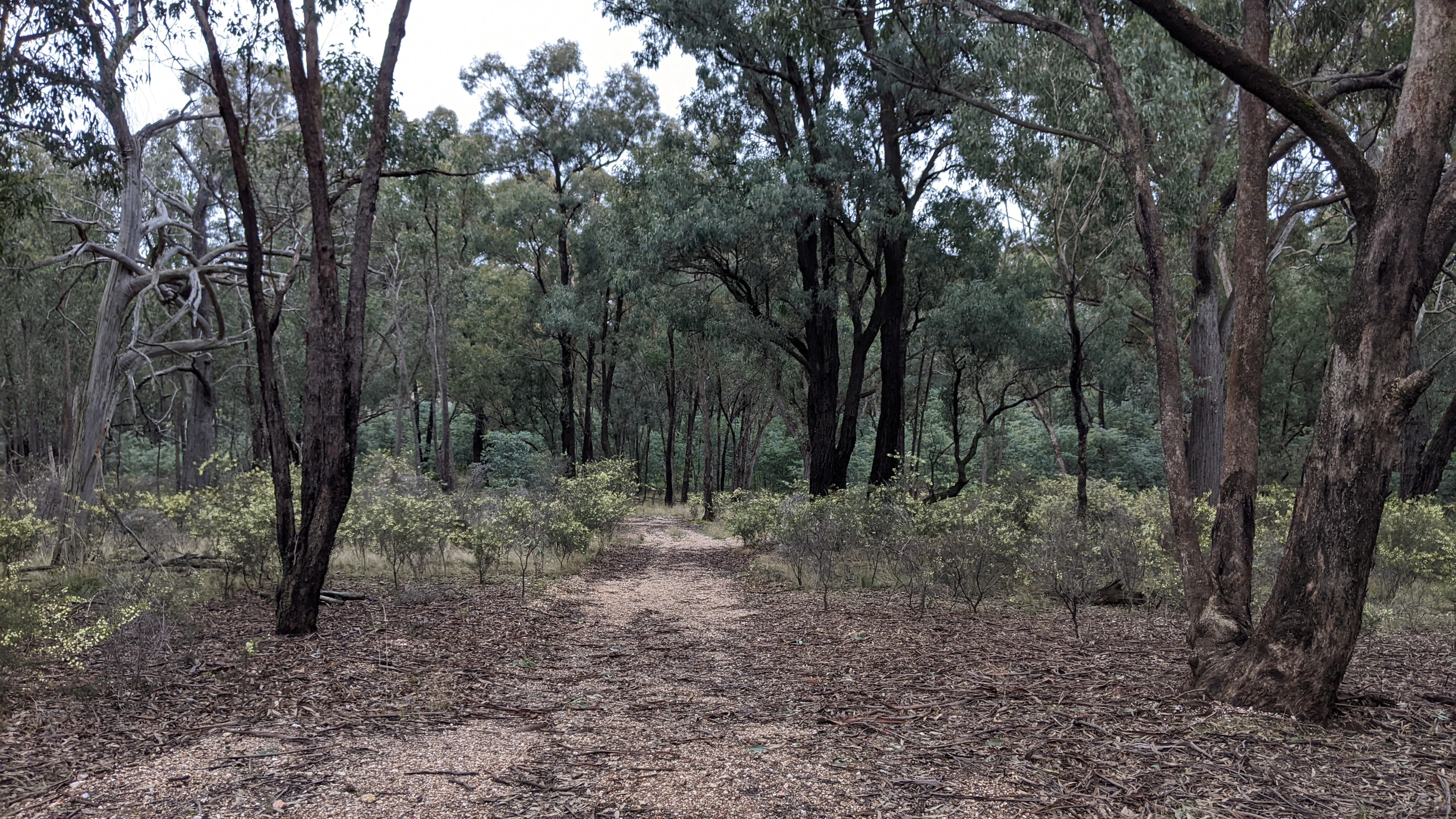
Box-Ironbark Forest, Jindalee National Park
Box-Ironbark Forest in Jindalee National Park, near Cootamundra, New South Wales, Australia

Jindalee National Park history and protected-area timeline

Jindalee National Park has a long history as a protected or managed land area, first declared as a forest reserve in 1877. In August 1918, the area was reclassified as a state forest, placing it under the management of the NSW Forestry Commission. For much of the twentieth century, the state forest served dual purposes of timber production and recreational use, with motorbike riding becoming a particularly popular activity over time. In January 2011, following the passage of the National Park Estate (South-Western Cypress Reservations) Act in 2010, the area was reserved as a national park to protect the remaining cypress pine woodlands that had survived despite extensive clearing across New South Wales. This reservation represented a significant conservation outcome for a vegetation type that had been dramatically reduced by historical land clearing.

Jindalee National Park landscape and geographic character

The terrain of Jindalee National Park consists of undulating country typical of the South West Slopes region, characterized by gentle rolling hills and valleys. The landscape is dissected by numerous minor drainage lines that carry seasonal water flows across the property. A notable feature of the park is its division into two separate portions by a strip of private farmland along Berthong Road, which creates an irregular boundary shape. The landscape supports woodland ecosystems dominated by various eucalypt species including mugga ironbark, western grey box, white box, yellow box, and Blakely's red gum, interspersed with stands of cypress pine.

Jindalee National Park ecosystems, habitats, and plant life

Jindalee National Park supports several distinct vegetation communities that represent what remains of once extensive woodland ecosystems in central New South Wales. The dominant vegetation type is mugga ironbark-mixed box woodland, which covers approximately 74 percent of the park's area. An additional 20 percent comprises mugga ironbark-western grey box-Cypress pine woodland, representing the specific community the park was established to protect. Small areas of white box-yellow box-Blakely's red gum grassy woodland occupy about 0.2 percent of the park and constitute an ecological community classified as Critically Endangered in NSW. Approximately 5.8 percent of the park remains as cleared land, reflecting historical agricultural clearing within the property. The pine donkey orchid, listed as Vulnerable under the NSW Biodiversity Conservation Act 2016, occurs within the park. Invasive plant species including St. John's wort, Paterson's curse, viper's bugloss, blackberry, and various thistles pose ongoing management challenges.

Jindalee National Park wildlife and species highlights

Jindalee National Park supports an impressive diversity of threatened wildlife, particularly bird species. The park provides habitat for at least 16 threatened bird species including the swift parrot, regent honeyeater, little lorikeet, brown treecreeper, speckled warbler, black-chinned honeyeater, varied sittella, flame robin, diamond firetail, grey-crowned babbler, hooded robin, little eagle, turquoise parrot, and painted honeyeater. Two threatened mammal species have been recorded: the squirrel glider and eastern pygmy possum. Common birds in the reserve include the white-throated treecreeper and yellow-rumped thornbill. Introduced pest species including European foxes, feral cats, and various deer species occur within the park and pose threats to native wildlife through predation and competition.

Jindalee National Park conservation status and protection priorities

Jindalee National Park was specifically established to protect remaining areas of cypress pine woodland, a vegetation community that has been extensively cleared across New South Wales. The park preserves critically endangered white box-yellow box-Blakely's red gum grassy woodland and provides essential habitat for numerous threatened species, particularly woodland birds. The concentration of threatened species, including endangered birds like the swift parrot and regent honeyeater, makes the park regionally significant for biodiversity conservation. Management challenges include controlling invasive plants and addressing illegal activities such as firewood collection and unauthorized off-road vehicle use, which threaten the park's ecological values.

Top sights and standout views in Jindalee National Park

The park protects one of the last significant remnants of cypress pine woodland in New South Wales, a vegetation type drastically reduced by historical land clearing. Its Critically Endangered grassy woodland communities and exceptional concentration of threatened bird species distinguish it regionally. The park maintains public vehicle access on existing formed trails, preserving recreational opportunities while prioritizing conservation of its woodland ecosystems.

Best time to visit Jindalee National Park

The park can be visited year-round, with spring and autumn offering comfortable temperatures for exploring the woodland landscapes. These seasons also provide optimal conditions for birdwatching, as many species are active and visible. Summer months can bring hot conditions typical of inland New South Wales, while winter may offer a quieter visitation experience with cooler temperatures.


Park location guide

Geography guide, regional context, and park location map for Jindalee National Park

Jindalee National Park park geography, regions, and map view in Australia
Understand where Jindalee National Park sits in Australia through a broader geographic reading of the surrounding landscape, nearby location context, and its mapped position within the national park landscape.

How Jindalee National Park fits into Australia

Australia is a constitutional monarchy and federal parliamentary democracy comprising six states and ten territories. With a population of nearly 28 million, it is one of the world's most urbanised countries, with most people concentrated on the eastern seaboard. The country has a high Human Development Index and is known for its cultural diversity, ancient Aboriginal heritage, and unique wildlife.

Wider geography shaping Jindalee National Park in Australia

Australia occupies the entire Australian continent, the island of Tasmania, and numerous smaller islands. It is the world's flattest and driest inhabited continent, featuring vast deserts in the interior (the Outback), tropical rainforests along the eastern coast, and a coastline bordering the Indian and Pacific Oceans.

Map view of Jindalee National Park

Use this park location map to pinpoint Jindalee National Park in Australia, understand its exact geographic position, and read its mapped placement within the surrounding landscape more clearly.

Pigeon | © OpenStreetMap contributors

Location context for Jindalee National Park

New South Wales

Explore the Undulating Terrain and Cypress Pine Woodlands of this New South Wales Protected Landscape through Engaging Imagery

Jindalee National Park Photos, Landscapes, and Protected Area Scenery for Visual Exploration
Visually explore Jindalee National Park's unique landscapes, including its critically endangered cypress pine woodlands and undulating terrain. These images provide essential insights into the park's protected habitat, showcasing the distinct ecological communities and key features that define this significant New South Wales conservation area.

Box-Ironbark Forest, Jindalee National Park

Park atlas

Explore the connected protected landscapes and regional park geography spanning the South West Slopes of New South Wales

Discover Other National Parks and Protected Areas Near Jindalee National Park in New South Wales
After exploring Jindalee National Park, continue your geographic discovery by browsing other protected areas throughout the South West Slopes region of New South Wales, Australia. Compare diverse woodland ecosystems, threatened species habitats, and conservation landscapes to understand the broader regional context.
National parkNew South Wales

Brindabella National Park: A Protected Mountain Landscape in New South Wales' Australian Alps

Discover its mapped terrain and regional geographic context.

Brindabella National Park offers a unique perspective on the mountainous terrain of the Brindabella Range, forming a vital protected area within the Australian Alps. Located in New South Wales, its landscape features rugged ridgelines and diverse subalpine vegetation, recognized for its national environmental significance. This park serves as a key destination for understanding protected area geography and the mapped context of Australia's high country.

Area
184.54 km²
Established
1996
IUCN
II
National parkNew South Wales

Benambra National Park: New South Wales Protected Area and Great Yambla Range Map

Explore mapped terrain and woodland ecosystems.

Benambra National Park serves as a key protected area in New South Wales, preserving crucial white box and Red Box woodland communities against a backdrop of the Great Yambla Range's dramatic topography. This national park is significant for its role in conserving habitat for at least twelve threatened bird species and its unique geological features, including cliff faces and flat-topped peaks. Understanding the park's mapped boundaries and its place within the South West Slopes region offers valuable context for geographic discovery and the study of Australia's natural landscapes.

Area
13.99 km²
Established
2001
IUCN
II
National parkRiverina

Cocoparra National Park: Semi-Arid Hill Country and Protected Landscape in Riverina

Explore mapped geography and key natural features of this Australian national park.

Cocoparra National Park is an essential protected natural area within Australia's Riverina region, noted for its striking semi-arid landscape. The park features a prominent range of low hills, including Bingar Mountain, rising from the predominantly flat terrain. This distinctive geography, characterized by rocky sandstone ridges and characteristic woodland communities, offers valuable insights into the region's natural heritage. As an Important Bird Area, Cocoparra National Park also holds significant conservation value for its avian populations and their unique inland habitat.

Area
83.57 km²
Established
1969
IUCN
II
National parkNew South Wales

Tarlo River National Park: Rugged Protected Wilderness Landscape of New South Wales

Explore its unique terrain, mapped boundaries, and cultural heritage.

Tarlo River National Park stands as a testament to rugged protected wilderness within New South Wales, Australia. Its distinctive terrain, marked by steep valleys and rocky ridges, presents a rare topographical feature not replicated elsewhere in the region. This national park is also a vital site for Aboriginal cultural heritage, offering a unique lens through which to understand Australia's protected landscapes. The park's mapped geography provides essential context for appreciating its conservation significance and the preservation of its natural and cultural values.

Area
80.74 km²
Established
1982
IUCN
II
National parkNew South Wales

Mares Forest National Park: New South Wales National Park Atlas and Protected Landscape

Explore mapped boundaries and forest terrain.

Mares Forest National Park, situated in New South Wales, offers a distinct protected landscape defined by its wet eucalyptus forest and kurrajong trees. As a national park, it provides valuable insight into the regional geography of the Southern Tablelands, showcasing its unique terrain and role as wildlife habitat. This park serves as an essential point for atlas-based exploration of Australia's conservation estate, highlighting its mapped boundaries and natural features.

Area
25.59 km²
Established
2010
IUCN
II
National parkNew South Wales

Kosciuszko National Park: Australia's Highest Alpine Terrain and Mapped Protected Landscape

Discover unique glacial landscapes and geographic context in New South Wales.

Kosciuszko National Park represents the pinnacle of Australia's alpine geography, preserving the continent's only true alpine ecosystems. This extensive national park in New South Wales features dramatic glacial landforms, including its namesake Mount Kosciuszko, Australia's highest peak. Users can explore the park's mapped boundaries, surrounding natural terrain, and unique landscape features for a comprehensive understanding of this significant protected area.

Area
6,900 km²
Established
1944
IUCN
II
Visitors
3.3M annual
National parkNew South Wales

Bangadilly National Park: Protected Sandstone Plateau and Gorge Landscape in NSW

Explore its unique terrain and Wingecarribee River geography.

Bangadilly National Park, situated in New South Wales, is a critical protected area characterized by its striking sandstone plateau and gorge formations bordering the Wingecarribee River. As a strict nature reserve, it safeguards a significant transition zone for local flora and provides essential habitat for numerous rare and threatened species, making it a key site for understanding regional landscape ecology and protected area distribution in Australia.

Area
21.35 km²
Established
2001
IUCN
Ia
National parkNew South Wales

Budawang National Park: Wilderness Area and Rugged Terrain Map

Discover New South Wales protected landscape geography.

Budawang National Park is recognized for its exceptional wilderness character, defined by the steep topography of the southern Budawang Range. This protected national park features extensive cool temperate rainforests clothing its middle and upper slopes, creating a visually striking and ecologically rich mountain environment. Its rugged terrain, with deep valleys and rocky outcrops, distinguishes it as a remote natural landscape within New South Wales, offering unique habitat pockets and contributing to the region's protected area atlas.

Area
237 km²
Established
1977
IUCN
Ib

Common questions about visiting, size, designation, and location context for Jindalee National Park

Jindalee National Park FAQs for park facts, access, geography, and protected area context
Find quick answers about Jindalee National Park, including protected-area facts, park geography, trail and visitor context, and how the park fits into its surrounding country and regional landscape.
MoriAtlas Explorer

Continue Your Protected Areas Search Across the Global Atlas

Deepen your exploration by continuing the structured search for national parks and protected areas worldwide. Utilize the comprehensive filtering capabilities to compare different conservation landscapes and refine your understanding of global park geography. Discover more about the distribution and characteristics of protected natural areas.

Global natural geography