Mori Atlas logo
National parkBudawang National Park

Discover the rugged terrain, rainforests, and geographic context of this New South Wales national park.

Budawang National Park: Protected Wilderness Landscape in New South Wales

Budawang National Park represents a significant protected wilderness area within the southern Budawang Range of New South Wales, Australia. This national park encompasses 237 square kilometers of steep, rugged terrain, characterized by deeply incised valleys, high ridgelines, and exposed rocky slopes that create a distinct mountain environment. As a wilderness area, it offers a remote experience, showcasing extensive cool temperate rainforests on its middle and upper slopes and supporting diverse habitats within its complex topography.

Wilderness AreaTemperate RainforestMountain RangeNew South WalesNative ForestAustralian Wildlife

Budawang National Park

National park

Park overview

Structured park overview, official facts, and landscape profile for Budawang National Park

Budawang National Park park facts, protected area profile, and essential visitor context
Review the core facts for Budawang National Park, including designation, size, terrain, visitor scale, habitats, and operating context in one park-focused overview.

About Budawang National Park

Budawang National Park occupies a remote and largely isolated position in southeastern New South Wales, protecting a substantial portion of the Budawang Mountain Range. The park's terrain is characterized by rugged, steep slopes and deeply incised valleys that create a dramatic and challenging landscape. Unlike many national parks in populated southeastern Australia, Budawang has retained much of its wilderness character due to its relative inaccessibility and the challenging nature of its topography. The high-elevation forests that dominate the park represent a significant conservation value, with moist forest environments persisting in the cooler upland areas. The park provides a counterpoint to the more accessible coastal and sub-alpine protected areas in the region, offering a wilderness experience rooted in rugged mountain terrain and temperate forest environments.

Quick facts and research context for Budawang National Park

Budawang National Park spans 237 square kilometres in the southern Budawang Range of New South Wales, approximately 200km southwest of Sydney. The park was established in 1977 and is classified as IUCN Category Ib wilderness area. The park is named after Mount Budawang, whose Aboriginal name 'Buddawong' reflects the area's Indigenous heritage. The terrain is characterized by steep, rugged slopes and deeply incised valleys, with high-elevation moist forests dominating the landscape. The nearest towns are Braidwood to the south and Batemans Bay to the north.

Park context

Deeper park guide and search-rich context for Budawang National Park

Budawang National Park history, landscape, wildlife, and travel context
Explore Budawang National Park through its history, landscape character, ecosystems, wildlife, conservation priorities, cultural context, and seasonal travel timing in a structured park guide built for atlas discovery and search intent.

Why Budawang National Park stands out

Budawang National Park is best known for its rugged wilderness character and the extensive cool temperate rainforests that clothe its middle and upper slopes. The park protects significant pockets of unique habitats within the southern Budawang Range, where deeply incised valleys and steep terrain have created ecological niches supporting several notable species. The area is particularly recognized for its populations of greater gliders, swamp wallabies, and potoroos, as well as bird species including green catbirds and lyrebirds. The historic use of Mount Budawang as a signal fire vantage point by Aboriginal peoples adds cultural significance to the landscape.
Budawang National Park history and protected-area timeline

Budawang National Park was established on 23 September 1977 as part of New South Wales's expansion of its protected area network during the late twentieth century. The park was named following the established geographic feature of Mount Budawang, which itself derives from the Aboriginal word 'Buddawong'. This naming reflects the Indigenous heritage of the region and acknowledges the traditional connection between Aboriginal peoples and the Budawang Range landscape. Historically, the elevated vantage point provided by Mount Budawang was used for signal fires, a practice that formed part of the communication networks employed by local Aboriginal communities. The park's designation as IUCN Category Ib reflects its subsequent recognition as a wilderness area requiring the highest level of protection within the national park framework.

Budawang National Park landscape and geographic character

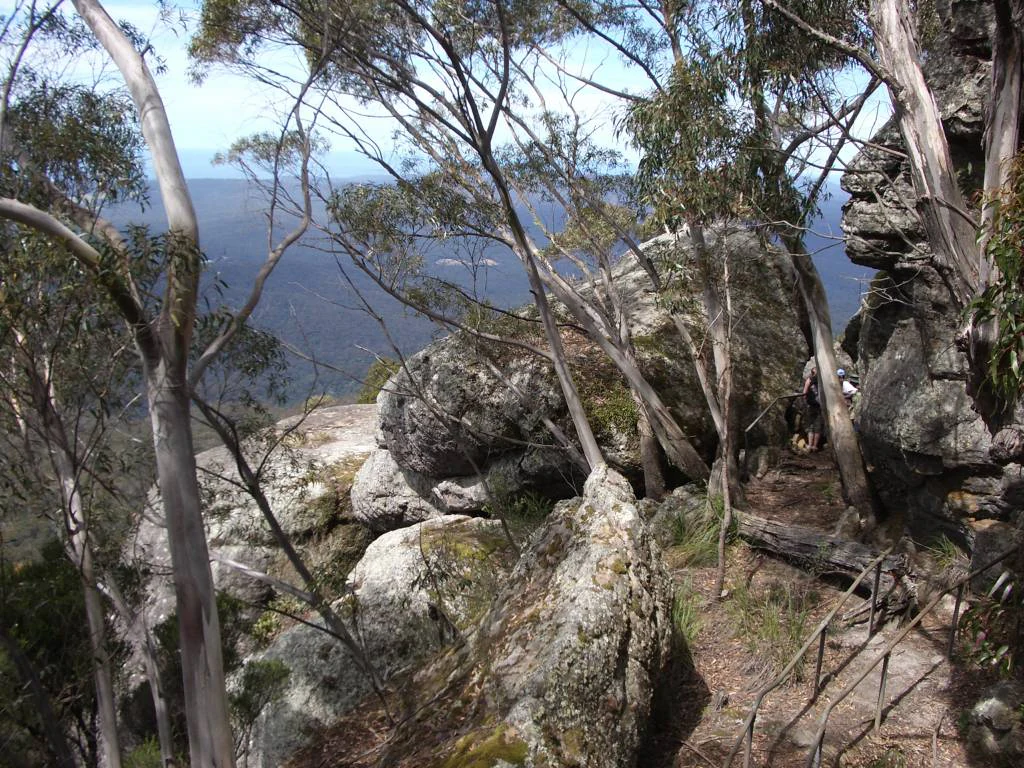
The landscape of Budawang National Park is defined by the southern extent of the Budawang Range, a mountain system characterized by its rugged and steep terrain. The range features prominent ridgelines, deeply incised valleys, and rocky outcrops that create a visually distinct mountain environment. The park's elevation ranges from lower valleys to higher ridgelines, with the terrain becoming increasingly steep and broken as elevation increases. The combination of steep slopes and the underlying geology has produced a landscape of considerable topographic complexity, with limited flat areas and numerous drainage lines cutting through the terrain. The high-elevation sections of the park support moist forest environments that contrast with the drier conditions found in the valley floors and lower slopes.
Budawang National Park ecosystems, habitats, and plant life

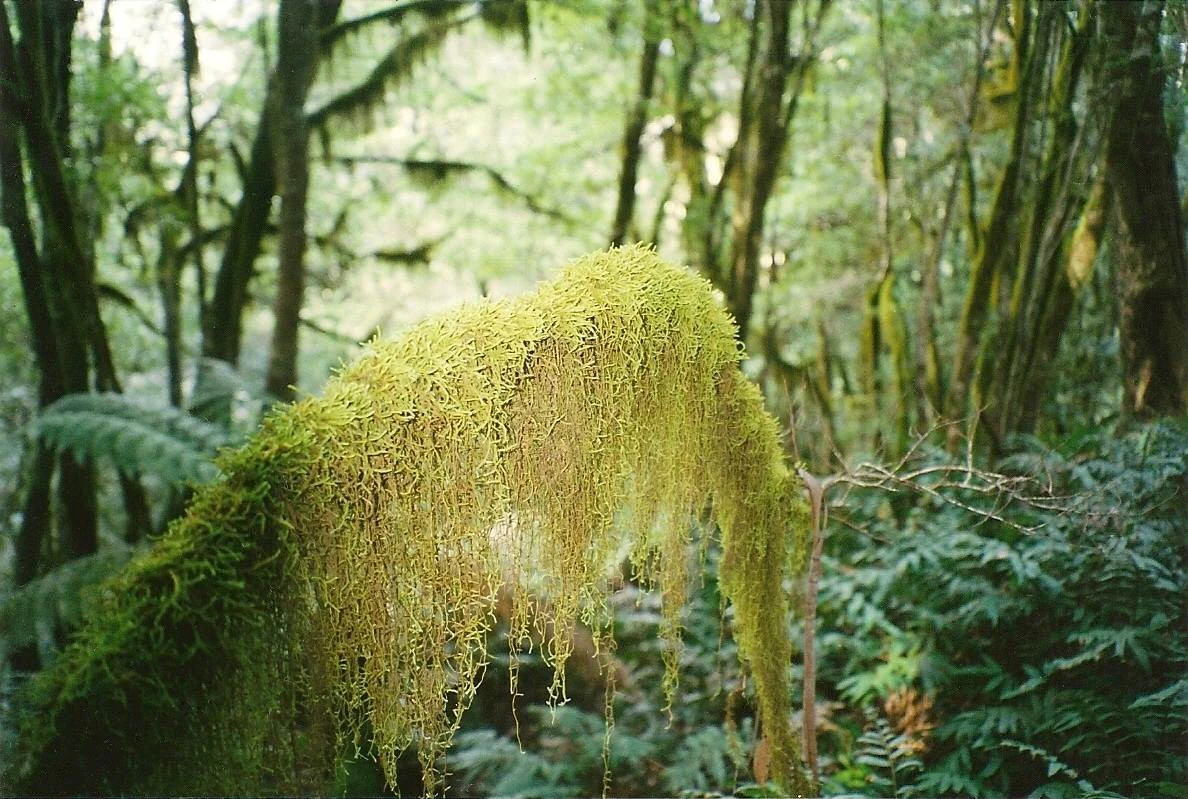
The ecological character of Budawang National Park is defined by the interaction between elevation, moisture availability, and the steep terrain of the Budawang Range. The middle and upper slopes of the park are cloaked in cool temperate rainforest, a habitat type that thrives in the moister, cooler conditions found at higher elevations. These rainforests represent a significant conservation asset, supporting species assemblages characteristic of southern Australian temperate forest environments. In contrast, the lower elevations of the park, particularly those drained by small rivers and streams, support dry rainforest vegetation dominated by trees including ironwood. This elevation-based zonation creates a mosaic of forest types within a relatively compact area, with the park's rugged terrain creating numerous microclimates and habitat pockets.

Budawang National Park wildlife and species highlights

Budawang National Park supports diverse wildlife populations that have adapted to the varied forest environments created by the park's topography and elevation range. The park is home to good populations of swamp wallabies, greater gliders, and potoroos, all of which rely on the dense forest cover and ground-layer vegetation for habitat. The open forest and woodland areas support eastern grey kangaroos, common wombats, honeyeaters, and white-throated tree creepers, representing the more commonly encountered mammal and bird species. Notably, the park provides habitat for green catbirds and lyrebirds, two bird species that are characteristic of Australian temperate forest environments and are often highlighted as indicators of forest health. The diversity of habitats created by the park's rugged terrain has enabled several plant and animal species to persist in pockets of unique habitat.

Budawang National Park conservation status and protection priorities

Budawang National Park contributes significantly to the conservation estate in southeastern New South Wales through its protection of wilderness-area lands within the Budawang Range. The park's IUCN Category Ib designation reflects its recognition as an area of outstanding universal value where natural processes are allowed to continue substantially undisturbed. The protection of the park's cool temperate rainforests and the diverse habitats created by the rugged terrain conserves ecological communities that have become increasingly rare in the more heavily cleared and developed landscapes surrounding the Budawang Range. The park's isolation and difficult terrain have historically limited development pressure, allowing natural ecosystems to persist with minimal infrastructure and human disturbance.

Budawang National Park cultural meaning and human context

The cultural context of Budawang National Park is grounded in the Aboriginal heritage of the Budawang Range region. The park is named after Mount Budawang, whose name derives from the Aboriginal word 'Buddawong', indicating the longstanding Indigenous association with this landscape. The mountain served as a historically significant vantage point where signal fires were lit, reflecting the role of elevated terrain in Aboriginal communication networks. This cultural heritage connects the protected landscape to the broader history of Aboriginal land management and spiritual connection to country in southeastern Australia. The park's establishment formally recognized this Indigenous heritage while also providing protection for the natural values of the Budawang Range.

Top sights and standout views in Budawang National Park

The defining highlights of Budawang National Park include its status as a protected wilderness area in the southern Budawang Range, the extensive cool temperate rainforests on its middle and upper slopes, and populations of notable wildlife species including greater gliders, green catbirds, and lyrebirds. The park offers a rugged, remote mountain experience distinct from the more accessible coastal and alpine protected areas of New South Wales. The cultural significance of the Aboriginal-named Mount Budawang and its historical role as a signal fire vantage point adds depth to the visitor experience. The park's diverse habitats, from dry rainforest in lower valleys to cool temperate rainforest at higher elevations, create ecological variety within a relatively compact wilderness area.

Best time to visit Budawang National Park

The cool temperate rainforest and high-elevation forest environments of Budawang National Park are most pleasant during the milder months of autumn and spring, when temperatures are moderate and forest conditions are comfortable for walking. Summer months can bring warm conditions in the lower elevations, though the forest canopy provides shade. Winter brings colder temperatures to the upland areas and can result in fog or low cloud in the valleys, though this period offers a different character for those seeking solitude. The park's rugged terrain means that conditions can change rapidly, and visitors should be prepared for the remote nature of the area. The lack of extensive visitor infrastructure contributes to the wilderness character but requires self-sufficiency from those exploring the park.

Park location guide

Geography guide, regional context, and park location map for Budawang National Park

Budawang National Park park geography, regions, and map view in Australia
Understand where Budawang National Park sits in Australia through a broader geographic reading of the surrounding landscape, nearby location context, and its mapped position within the national park landscape.

How Budawang National Park fits into Australia

Australia is a constitutional monarchy and federal parliamentary democracy comprising six states and ten territories. With a population of nearly 28 million, it is one of the world's most urbanised countries, with most people concentrated on the eastern seaboard. The country has a high Human Development Index and is known for its cultural diversity, ancient Aboriginal heritage, and unique wildlife.

Wider geography shaping Budawang National Park in Australia

Australia occupies the entire Australian continent, the island of Tasmania, and numerous smaller islands. It is the world's flattest and driest inhabited continent, featuring vast deserts in the interior (the Outback), tropical rainforests along the eastern coast, and a coastline bordering the Indian and Pacific Oceans.

Map view of Budawang National Park

Use this park location map to pinpoint Budawang National Park in Australia, understand its exact geographic position, and read its mapped placement within the surrounding landscape more clearly.

Pigeon | © OpenStreetMap contributors

Location context for Budawang National Park

New South Wales
Park atlas

Trace the mapped geography of adjacent wilderness areas and mountain ranges in New South Wales

Explore Related National Parks and Protected Areas Near Budawang National Park
After exploring Budawang National Park, discover other national parks and protected areas located in the surrounding regions of New South Wales. Compare geographic features, trace connected mountain ranges, and understand the diverse protected landscapes that define this part of southeastern Australia.
National parkAustralia

Clyde River National Park: Australia's Protected Riverine Landscape and Swift Parrot Sanctuary

Discover its vital role in conservation and mapped geography.

Clyde River National Park is a critical protected area in Australia, safeguarding nine kilometers of river frontage along the Clyde River. Established for its ecological importance, particularly as a sanctuary for the endangered swift parrot, the park's landscape is characterized by riverine forests and eucalyptus woodlands. This designation highlights its role in preserving key habitats and contributing to the regional map of protected lands vital for biodiversity.

Area
10.91 km²
Established
2000
IUCN
II
Scope
Terrestrial
National parkNew South Wales

Morton National Park: A Protected Landscape of Waterfalls and Dissected Plateaus in New South Wales

Explore its mapped boundaries and regional geographic context.

Morton National Park is a nationally recognized protected area within New South Wales, Australia, celebrated for its striking natural features and geographic significance. The park's landscape is characterized by a dramatic dissected plateau, giving rise to impressive waterfall systems such as Fitzroy Falls and Belmore Falls that cascade into deep gorges. As a key component of the Southern Highlands' natural heritage, Morton National Park provides a rich subject for atlas exploration, offering insights into regional terrain, protected land distribution, and the unique interplay of natural elements within this Australian national park.

Area
1,997.45 km²
Established
1967
IUCN
II
National parkAustralia

Bugong National Park: Protected Landscape Identity and Geographic Context in Australia

Discover unique biodiversity, forest habitats, and regional terrain.

Bugong National Park stands as a vital strict nature reserve within Australia's protected lands. Its distinct geography features a plateau below the Cambewarra range and steeply sloping valleys carved by waterways like Bugong Creek and the Shoalhaven River. This protected area is crucial for conserving significant biodiversity, including endemic and threatened species, across its diverse wet and dry forest habitats. For those interested in atlas exploration, Bugong National Park offers a clear example of landscape conservation and protected area geography within New South Wales.

Area
10.22 km²
Established
2001
IUCN
Ia
National parkNew South Wales

Eurobodalla National Park: New South Wales Coastal Protected Landscape and Geographic Atlas

Explore its mapped protected boundaries and unique estuarine wetland habitats.

Eurobodalla National Park represents a critical segment of the New South Wales coastline, distinguished by its designation as a national park. The park's geography is characterized by a mosaic of coastal terrains, including sandy shores, river estuaries, and vegetated headlands, which collectively form essential protected landscapes. It is particularly recognized for its role in supporting migratory bird populations and serves as a key site for understanding coastal ecology and conservation efforts within Australia. Through its mapped protected areas, Eurobodalla National Park provides valuable insights into the regional geography and the distribution of vital natural habitats.

Area
29.13 km²
Established
1995
IUCN
II
National parkNew South Wales

Seven Mile Beach National Park: New South Wales National Park, Coastal Delta & Bird Habitat Exploration

Explore the mapped terrain and protected landscapes of this significant Australian coastal park.

Seven Mile Beach National Park offers a fascinating case study in coastal geography and protected area management, situated within New South Wales, Australia. The park's landscape is defined by the Shoalhaven River delta, showcasing a unique environment of tidal flats, islands, and a substantial sand barrier. This ecosystem supports significant populations of migratory waders and seabirds, making it a noteworthy site for ornithological interest and broader conservation studies. Understanding this park's atlas representation reveals its distinct littoral rainforest and its role within the regional protected land network.

Area
8.981 km²
Established
1971
IUCN
II
National parkNew South Wales

Kooraban National Park: Protected Area Map and Landscape Geography in New South Wales

Explore critical marsupial habitat and transitional terrain.

Kooraban National Park in New South Wales is a protected national park recognized for its role in conserving vulnerable marsupial species and its distinctive transitional landscape. Spanning over 11,500 hectares, the park connects inland tableland environments with coastal ecosystems, defined by the Narira Creek valley and Tuross River system. Its geography supports four distinct vegetation communities, making it a vital area for endangered animal habitats and broader conservation efforts within southeastern Australia. This park provides essential context for understanding regional geography and protected-area networks.

Area
116.26 km²
Established
2001
IUCN
II
National parkNew South Wales

Tarlo River National Park: Rugged Protected Wilderness Landscape of New South Wales

Explore its unique terrain, mapped boundaries, and cultural heritage.

Tarlo River National Park stands as a testament to rugged protected wilderness within New South Wales, Australia. Its distinctive terrain, marked by steep valleys and rocky ridges, presents a rare topographical feature not replicated elsewhere in the region. This national park is also a vital site for Aboriginal cultural heritage, offering a unique lens through which to understand Australia's protected landscapes. The park's mapped geography provides essential context for appreciating its conservation significance and the preservation of its natural and cultural values.

Area
80.74 km²
Established
1982
IUCN
II
National parkNew South Wales

Bangadilly National Park: Protected Sandstone Plateau and Gorge Landscape in NSW

Explore its unique terrain and Wingecarribee River geography.

Bangadilly National Park, situated in New South Wales, is a critical protected area characterized by its striking sandstone plateau and gorge formations bordering the Wingecarribee River. As a strict nature reserve, it safeguards a significant transition zone for local flora and provides essential habitat for numerous rare and threatened species, making it a key site for understanding regional landscape ecology and protected area distribution in Australia.

Area
21.35 km²
Established
2001
IUCN
Ia

Common questions about visiting, size, designation, and location context for Budawang National Park

Budawang National Park FAQs for park facts, access, geography, and protected area context
Find quick answers about Budawang National Park, including protected-area facts, park geography, trail and visitor context, and how the park fits into its surrounding country and regional landscape.
MoriAtlas Explorer

Continue Your Protected Areas Search Across the Global Atlas

Deepen your exploration by continuing the structured search for national parks and protected areas worldwide. Utilize the comprehensive filtering capabilities to compare different conservation landscapes and refine your understanding of global park geography. Discover more about the distribution and characteristics of protected natural areas.

Global natural geography