
Why Eurobodalla National Park stands out
Eurobodalla National Park is best known for its exceptional coastal bird habitat, forming part of a critically important bird area recognised by BirdLife International. The park protects vital foraging and resting grounds for migratory shorebirds including the Far Eastern curlew, bar-tailed godwit, and Eurasian whimbrel that travel along the East Asian Australasian Flyway. The park's estuarine and freshwater habitats support endangered species such as the long-nosed potoroo, white-footed dunnart, little tern, and hooded plover. Additionally, the park contains maritime heritage features including shipwrecks that add historical dimension to its natural values.
Eurobodalla National Park history and protected-area timeline
Eurobodalla National Park was formally established on 22 December 1995, representing the culmination of conservation planning efforts to protect the South Coast's coastal habitats. The park's creation reflected growing recognition of the ecological significance of this coastal strip, particularly its importance for migratory birds and threatened species. The non-contiguous configuration of the park likely reflects the complex pattern of existing land tenure along this developed section of coastline, with protected areas interspersed between private land and other land uses. Management responsibility rests with the NSW National Parks and Wildlife Service, which maintains the park's protected area status while providing public access to its coastal attractions. The identification of the broader region as an Important Bird Area followed the park's establishment, providing additional international recognition of its conservation significance.
Eurobodalla National Park landscape and geographic character
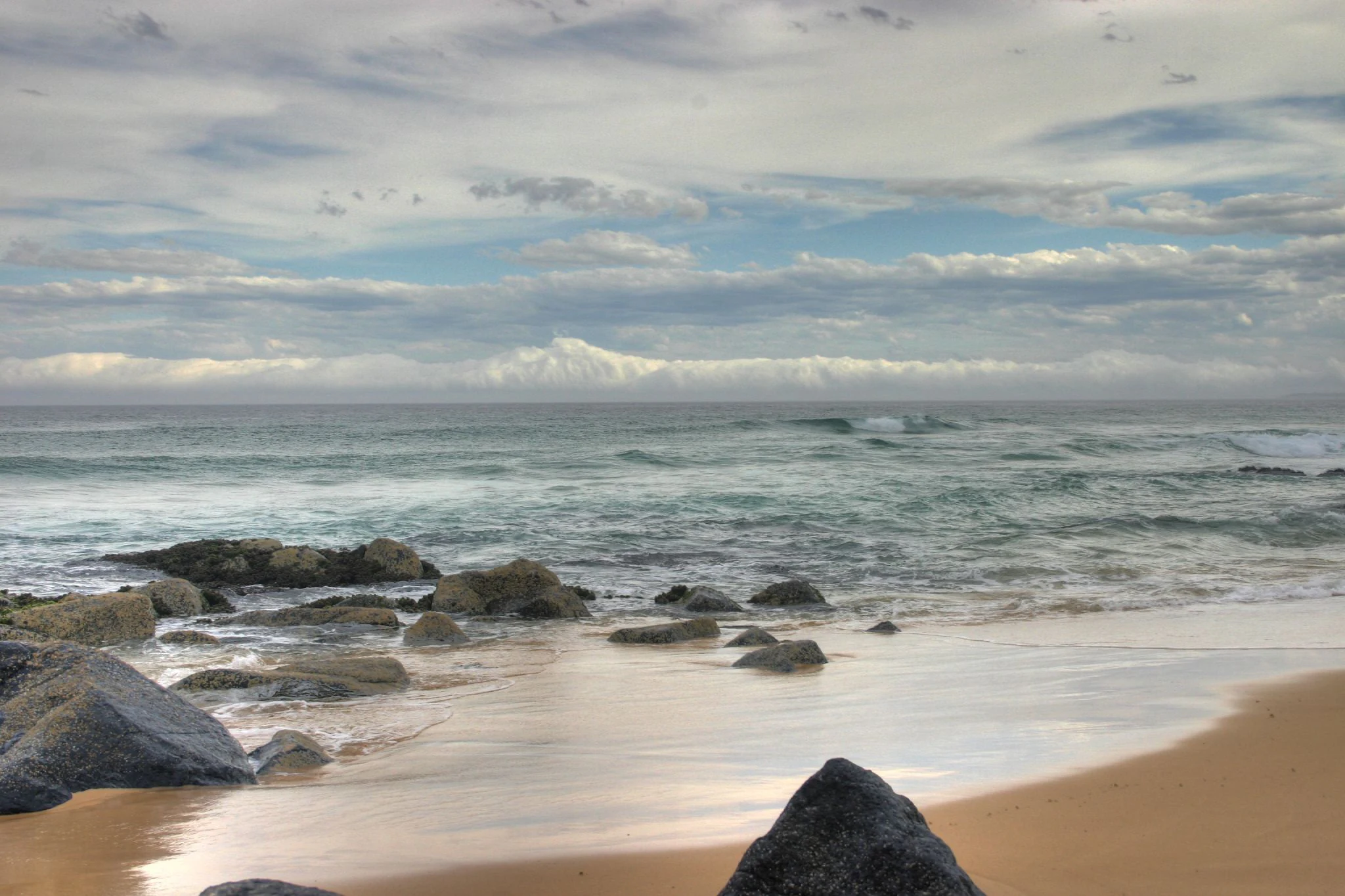
The landscape of Eurobodalla National Park is defined by its coastal setting along the South Coast of New South Wales. The park encompasses a variety of landforms including sandy beaches, coastal headlands, dune systems, estuarine flats, and the margins of coastal lakes. The coastline features several notable points including South Head at Moruya, where a historic pilot station marks the entrance to the Moruya River. The park includes areas of maritime influence where salt spray and coastal winds shape vegetation patterns, while sheltered estuarine areas provide calmer waters and wetland habitats. The terrain generally slopes gently from inland areas toward the coast, with low-lying coastal flats giving way to higher ground on exposed headlands. The park's coastal position means that ocean processes, tidal variations, and seasonal weather patterns strongly influence the character of different areas within the protected area.
Eurobodalla National Park ecosystems, habitats, and plant life
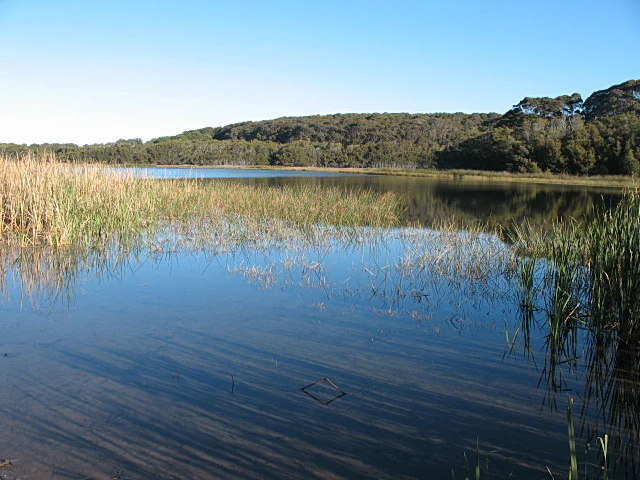
The ecological character of Eurobodalla National Park centres on the interface between marine, estuarine, and terrestrial environments that defines Australia's southern coast. The park protects important examples of coastal wetland ecosystems, including estuarine habitats where rivers meet the sea and freshwater lakes that provide year-round habitat for waterbirds. The vegetation reflects this coastal setting, with communities adapted to salt-laden winds, sandy substrates, and periodic inundation occupying different zones within the park. The park's designation as part of the Ulladulla to Merimbula Important Bird Area reflects the international significance of this coastal corridor for birds, particularly species that migrate between the northern hemisphere and Australia each year. The diversity of habitat types within the relatively compact park area supports an unusually high concentration of bird species for its size.
Eurobodalla National Park wildlife and species highlights
Eurobodalla National Park supports an impressive bird community with 131 species recorded within its boundaries, making it a significant location for avian biodiversity along the South Coast. The park serves as a crucial stopover and feeding ground for migratory shorebirds that travel the East Asian Australasian Flyway, one of the world's major bird migration routes. Species such as the Far Eastern curlew, Eurasian whimbrel, common greenshank, turnstone, and bar-tailed godwit utilise the park's coastal, estuarine, and freshwater habitats during their annual migrations. The park also protects several endangered species including the long-nosed potoroo, a small marsupial that inhabits forest understorey, the white-footed dunnart, a small nocturnal carnivorous marsupial, the little tern, a seabird that nests on sandy beaches, and the hooded plover, a shorebird species that breeds on ocean beaches. This combination of resident and migratory species creates exceptional birdwatching opportunities throughout the year.
Eurobodalla National Park conservation status and protection priorities
The conservation significance of Eurobodalla National Park extends beyond its boundaries through its role in the larger Ulladulla to Merimbula Important Bird Area, which has been identified by BirdLife International as an area of global importance for bird conservation. This recognition reflects the critical role the coastal corridor plays in supporting populations of swift parrots and numerous migratory shorebird species. The park protects habitat for several threatened species listed under Australian environmental legislation, including mammals, birds, and other fauna that rely on the park's diverse coastal ecosystems. The estuarine and freshwater habitats within the park serve as important feeding and resting areas for birds travelling between their breeding grounds in the northern hemisphere and southern Australia, making the park a vital node in the East Asian Australasian Flyway network.
Eurobodalla National Park cultural meaning and human context
Eurobodalla National Park contains evidence of human activity along this section of coast, including historical maritime features of heritage significance. The wreck of the SS Monaro, located within the park, represents a historical maritime incident that forms part of the local coastal history. Similarly, the wreck of the Kameruka adds to the maritime heritage dimension of the park. The pilot station at South Head Moruya reflects the long history of maritime navigation along this coastline, established to assist vessels negotiating the entrance to the Moruya River. Toragy Point cemetery represents another element of human history within the park landscape. These heritage features provide insight into the long relationship between communities and this stretch of coastline, complementing the park's natural values.
Top sights and standout views in Eurobodalla National Park
Eurobodalla National Park offers visitors the opportunity to experience a spectacular stretch of South Coast coastline with diverse habitats supporting exceptional birdlife. The park's beaches and estuaries provide excellent wildlife viewing, particularly for observing migratory shorebirds and the endangered hooded plover. Maritime heritage features including shipwrecks and the historic pilot station add historical interest to the natural landscape. The park's location between Narooma and the wider South Coast region makes it accessible for day visitors while maintaining a sense of natural coastal wilderness. The combination of coastal, estuarine, and forested environments within a relatively compact area allows visitors to experience multiple habitat types in a single visit.
Best time to visit Eurobodalla National Park
The optimal time to visit Eurobodalla National Park depends on the wildlife viewing opportunities visitors seek. Autumn and spring months coincide with the peak periods for migratory shorebird activity, as birds arriving from the northern hemisphere frequent the park's estuaries and beaches. These seasons offer excellent birdwatching opportunities as both arrival and departure movements occur. Summer months bring warmer conditions suitable for beach activities and provide opportunities to observe breeding shorebirds including little terns and hooded plovers. Winter months remain suitable for coastal walking and landscape appreciation, with resident bird species active throughout the year. The park can be visited year-round, though summer and autumn generally offer the most diverse wildlife viewing opportunities.