
Why Morton National Park stands out
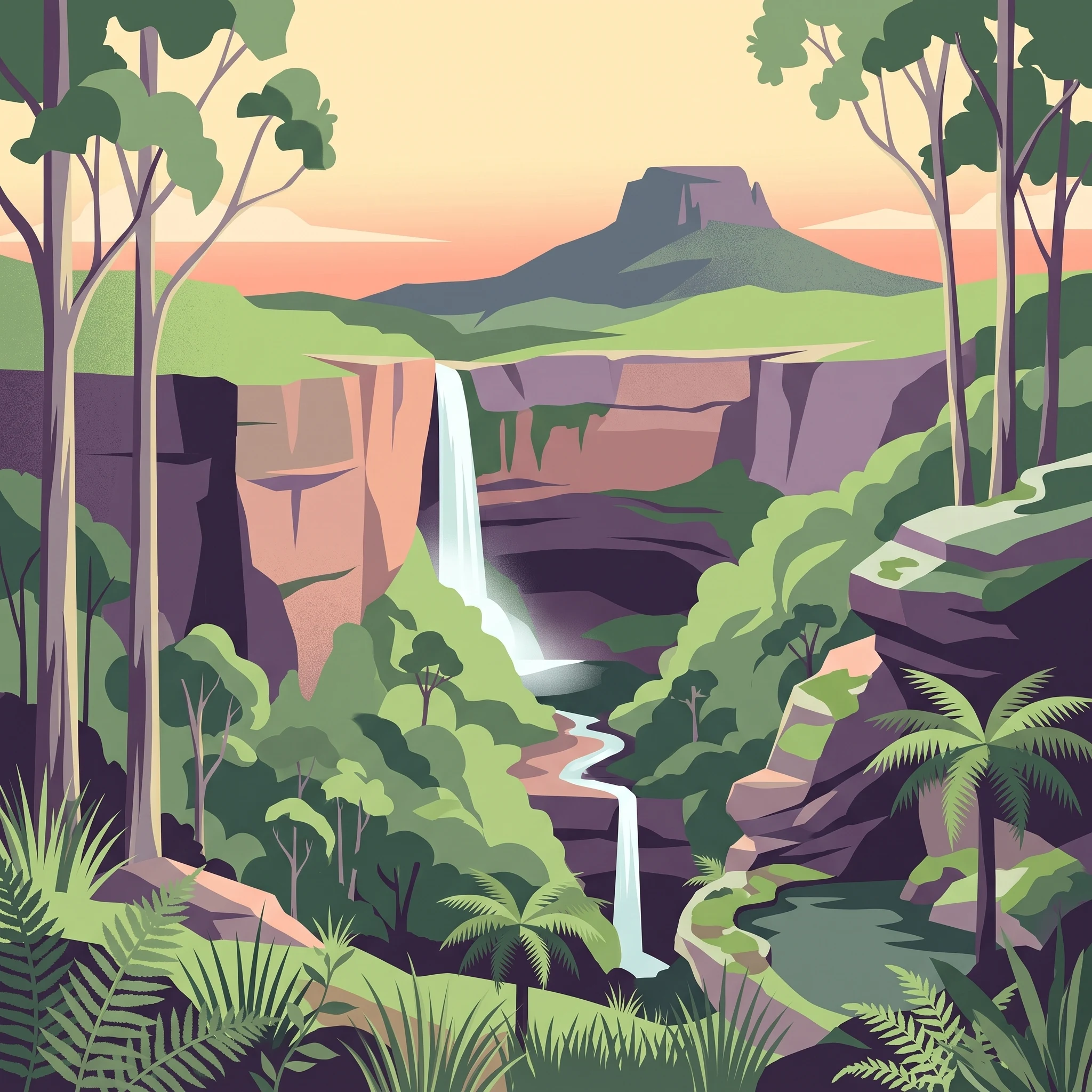
Morton National Park is best known for its spectacular waterfall system, particularly Fitzroy Falls and Belmore Falls, which are among the most visited natural attractions in the Southern Highlands region. The park is also distinguished by Pigeon House Mountain, also known as Didthul in the local Aboriginal language, which holds sacred significance in Yuin mythology. The combination of dramatic cliff-edge waterfalls, ancient Aboriginal cultural heritage, and the rugged dissected plateau landscape makes this park a standout destination for both natural beauty and cultural history in New South Wales.
Morton National Park history and protected-area timeline
Morton National Park was first opened to the public in 1938, making it one of the older national parks in New South Wales. The park was named after Mark Morton, a member of the state legislative assembly who was passionate about wilderness preservation and actively advocated for the establishment of protected natural areas in the region. The park's cultural history extends far beyond its European designation, with archaeological evidence indicating that the land has been inhabited by Aboriginal peoples for nearly 20,000 years. The Yuin people, the traditional custodians of this landscape, hold deep spiritual connections to the park and its surrounding territories. The sacred peak of Pigeon House Mountain, known as Didthul in the Yuin language, features prominently in Aboriginal mythology and remains a place of cultural significance. The park was formally established under national park legislation in 1967, solidifying its long-term protection.
Morton National Park landscape and geographic character
The physical landscape of Morton National Park is defined by its distinctive plateau and gorge topography. The park sits on a relatively flat sandstone plateau that has been dramatically eroded over time, creating deep valleys and steep gorges that dissect the terrain. The plateau tilts gently toward the northeast, with elevation dropping as the land descends from the higher western sections toward the more undulating eastern areas. The Budawang Range forms a significant geological component within the park, providing elevated terrain and ridgelines that contrast with the intervening valley systems. Mount Tianjara rises to 768 metres above sea level in the eastern portion of the park, serving as a notable high point. The Shoalhaven River traverses the northern and northwestern sections of the park, cutting through the landscape and providing hydrological connectivity. Waterfalls such as Fitzroy Falls and Belmore Falls occur where the plateau edge drops sharply into receiving valleys below.
Morton National Park ecosystems, habitats, and plant life
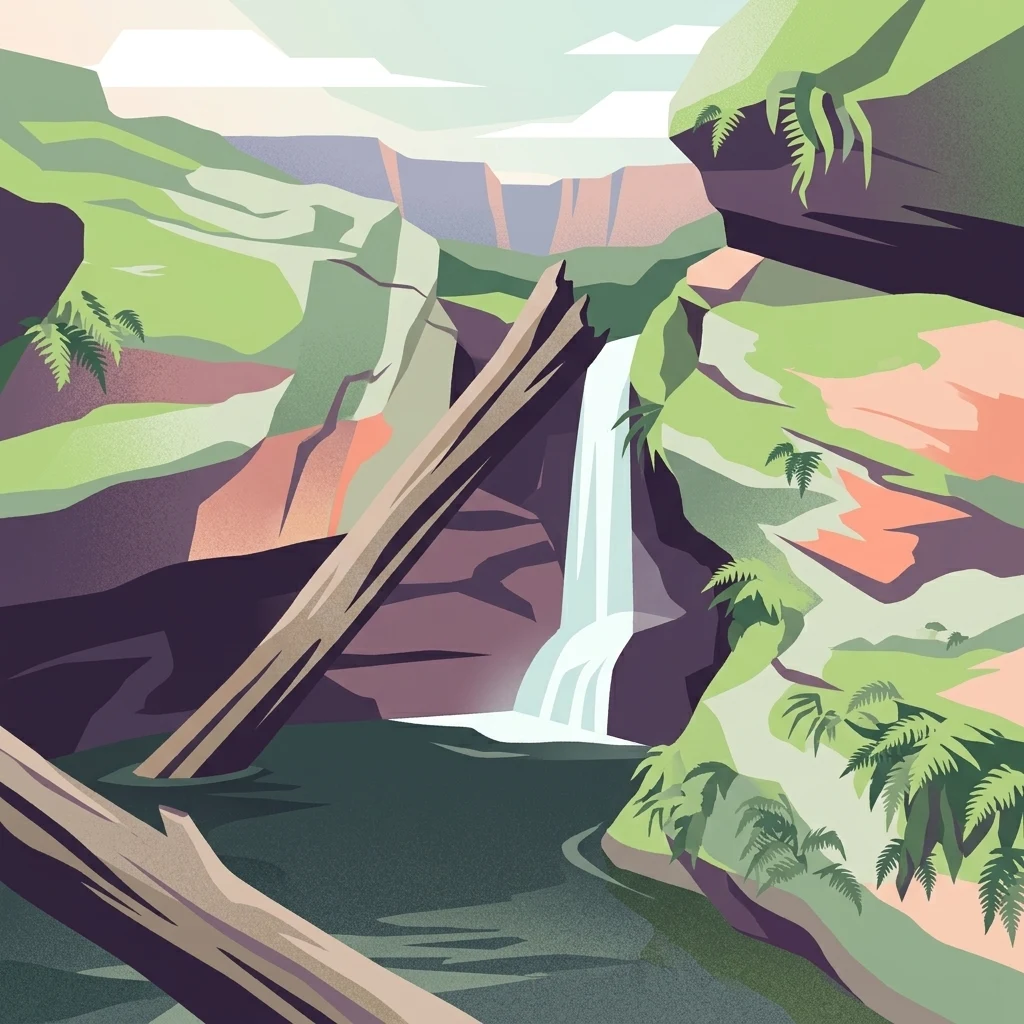
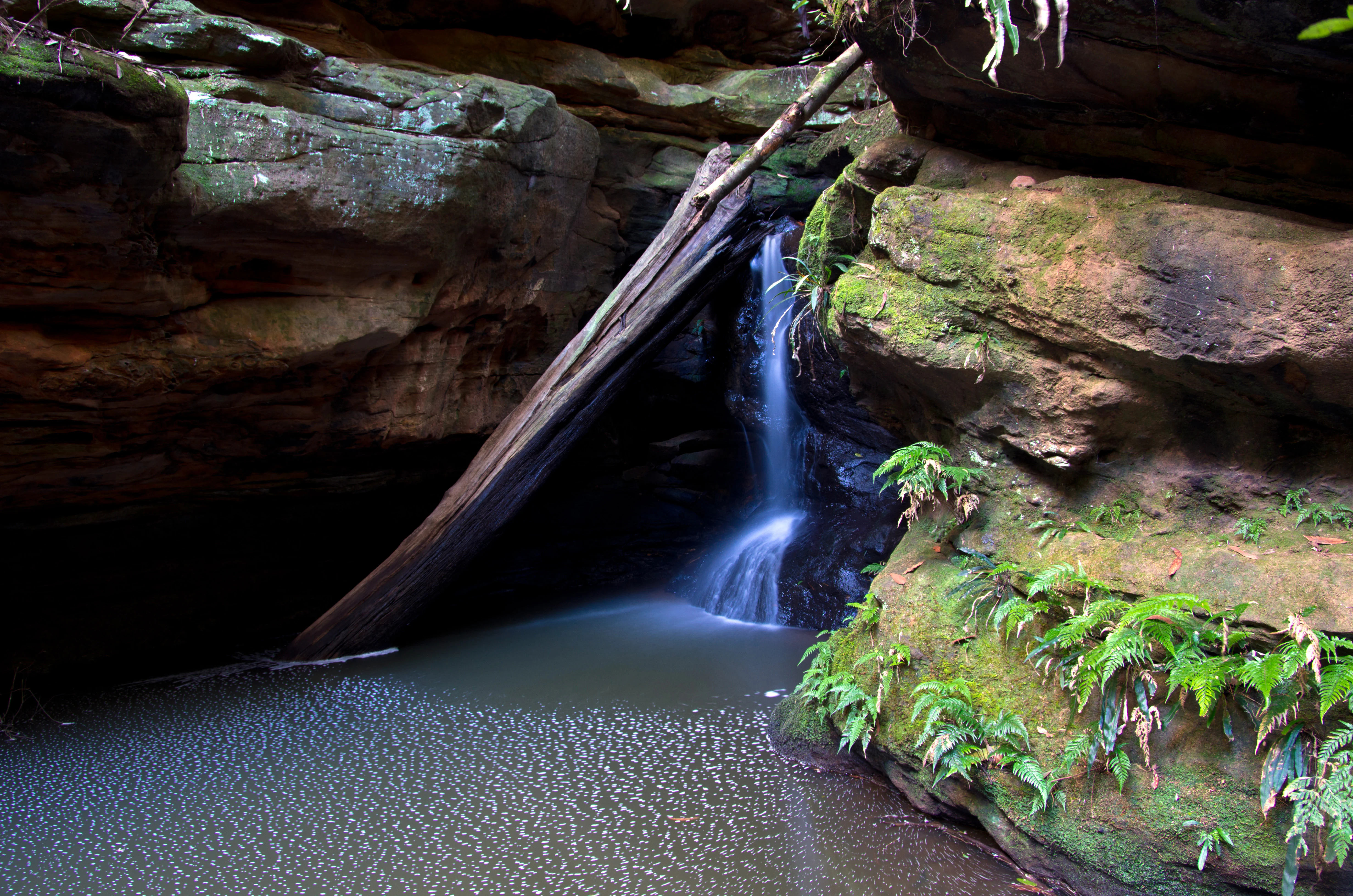
The ecological character of Morton National Park encompasses a range of habitats that reflect its geographic position between the highlands and coastal zones of New South Wales. The park contains wet rainforest gullies in the waterfall areas, where moisture-loving plant communities thrive in the shaded, humid conditions created by the gorge systems. The plateau surfaces support more open vegetation communities, while the steep gorge walls provide diverse microhabitats and aspect variations. The Shoalhaven River corridor provides riparian environments that support distinct plant and animal communities adapted to water-associated habitats. The blending of Southern Highlands and South Coast ecological influences creates a diverse set of plant communities within the park boundaries.
Morton National Park wildlife and species highlights
While specific species details are limited in the source material, the park's diverse habitat range suggests supporting various wildlife populations. The wet rainforest gullies likely provide habitat for moisture-dependent species, while the plateau and gorge environments offer hunting grounds and shelter for a range of birds and mammals. The Shoalhaven River system would support aquatic and semi-aquatic species. The long history of Aboriginal habitation indicates the landscape has sustained wildlife for thousands of years, maintaining ecological continuity.
Morton National Park conservation status and protection priorities
Morton National Park is protected as an IUCN Category II national park, representing one of the primary protected area designations in Australia's management system. The park's conservation significance is enhanced by its role in protecting watersheds, particularly those feeding into the Shoalhaven River system. The preservation of the waterfall systems and their associated rainforest communities represents an important conservation outcome, as these environments are relatively restricted in the broader landscape. The park's cultural heritage values, particularly the ongoing significance of the Yuin people's connection to the land, add dimensions to its conservation importance beyond purely ecological considerations.
Morton National Park cultural meaning and human context
The cultural context of Morton National Park is profoundly shaped by the long Indigenous history of the region. The Yuin people have maintained connections to this landscape for nearly 20,000 years, as evidenced by archaeological evidence throughout the area. Pigeon House Mountain, known as Didthul in the Yuin language, holds particular sacred significance and features prominently in Aboriginal mythology, representing a place of spiritual importance within the landscape. The park and its surrounding territories remain culturally significant to the Yuin people today. This ancient human connection adds a meaningful cultural layer to the park's natural values, distinguishing it from areas without such deep-rooted Indigenous heritage.
Top sights and standout views in Morton National Park
The waterfall system of Morton National Park, particularly Fitzroy Falls with its dramatic plunge into the rainforest gully below, stands as the park's signature attraction and draws visitors from across New South Wales. Pigeon House Mountain offers both a notable hiking destination and a place of deep Aboriginal cultural significance, where natural landscape and Indigenous heritage intersect. The dissected plateau landscape with its steep gorges provides a distinctive visual character that differentiates this park from more uniform terrain. The park's proximity to Kangaroo Valley offers opportunities for combined exploration of complementary landscapes. The Shoalhaven River corridor adds aquatic landscape diversity to the park's topographic variety.
Best time to visit Morton National Park
The park can be visited throughout the year, though different seasons offer varied experiences. The wetter months typically enhance waterfall flows, making the waterfall viewing more spectacular during late autumn and winter. Summer months offer warmer conditions for hiking on the plateau areas but may see reduced water volumes at the falls. The cooler months provide comfortable conditions for bushwalking while the warmer months suit those preferring longer daylight hours for exploration. The park's accessibility from Sydney makes it suitable for both day trips and extended visits.