Why Mimosa Rocks National Park stands out
Mimosa Rocks National Park is best known for its dramatic coastal scenery along the Sapphire Coast, featuring prominent rock formations such as Mimosa Rock itself and the striking headlands of Goalen Head. The park protects a biologically significant stretch of coastline recognized as part of the Ulladulla to Merimbula Important Bird Area, making it particularly important for threatened bird species including the swift parrot. Its four accessible camping areas at Gillards, Middle Beach, Aragannu, and Picnic Point provide opportunities for beach camping amid pristine coastal bushland. The park represents a stretch of relatively undeveloped coastline that has retained its natural character despite surrounding development in the Tathra-Bermagui area.
Mimosa Rocks National Park history and protected-area timeline
Mimosa Rocks National Park was officially established on April 13, 1973, as part of New South Wales' expanding national park system during the 1970s period of protected area growth. The park was created to preserve the significant coastal landscapes and ecosystems of the Sapphire Coast region, representing a commitment to protecting representative samples of the state's coastal environments. A significant addition to the park occurred in 1999 when 260 acres of land from the Murrah Gardens Estate, owned by the Hammond family, was acquired and incorporated into the park. This expansion added valuable coastline including Bunga Beach and Goalen Head, strengthening the park's coastal protection and providing additional visitor access points. The park's management under the National Parks and Wildlife Service of New South Wales has ensured ongoing conservation of its natural and cultural values.
Mimosa Rocks National Park landscape and geographic character
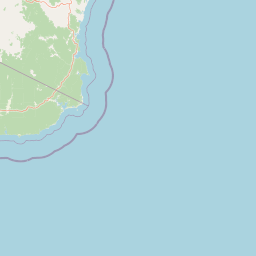
Mimosa Rocks National Park presents a distinctive coastal landscape characterized by the interplay between rocky headlands and sandy beaches along the Pacific Ocean coastline. The park's terrain features relatively modest elevation, with an average height of 69 meters above sea level, creating an accessible coastal environment rather than dramatic mountainous terrain. Prominent features include Mimosa Rock, a notable geological formation that gives the park its name, and Goalen Head, a striking headland offering panoramic views along the coast. The park runs approximately 16 kilometers along the coastline, starting at the northern end of Tathra Beach and extending northward, with five access roads providing visitor entry from the Tathra-Bermagui road. The coastal landscape supports a mix of sandy beach areas suitable for swimming and camping, interspersed with rocky sections that create sheltered coves and interesting geological formations.
Mimosa Rocks National Park ecosystems, habitats, and plant life
The coastal environments within Mimosa Rocks National Park support a diverse array of habitats reflecting the transition between ocean and terrestrial ecosystems along the southeastern Australian coast. The park forms part of the Ulladulla to Merimbula Important Bird Area, an internationally recognized designation by BirdLife International acknowledging the area's significance for bird conservation. This designation particularly relates to the park's importance for the swift parrot, a threatened species that relies on coastal forests and woodland habitats. The vegetation communities within the park reflect the coastal setting, with typical Australian coastal bushland species adapted to the ocean-influenced climate. The park's position along a major coastal flyway also contributes to its significance for migratory bird species, making it an important location for bird observation throughout the year.
Mimosa Rocks National Park wildlife and species highlights
Mimosa Rocks National Park provides habitat for various wildlife species adapted to the coastal environments of southeastern New South Wales. The park's most significant wildlife recognition comes through its inclusion in the Ulladulla to Merimbula Important Bird Area, which specifically identifies the area's importance for the swift parrot, a threatened migratory parrot species that breeds in Tasmania and migrates to mainland Australia during the non-breeding season. The coastal position of the park supports bird species associated with shoreline and marine environments, while the surrounding bushland areas provide habitat for woodland birds and other terrestrial species. The combination of beach, headland, and woodland habitats creates a diverse environment supporting multiple wildlife communities, though detailed species lists are not extensively documented in available sources.
Mimosa Rocks National Park conservation status and protection priorities
Mimosa Rocks National Park contributes to conservation outcomes along the Sapphire Coast through its protected status and inclusion in the Ulladulla to Merimbula Important Bird Area, which recognizes the international significance of this coastal region for bird conservation. The park's IUCN Category II designation reflects its management as a national park focused on ecosystem conservation and protection of natural values. The 1999 expansion through acquisition of the Murrah Gardens Estate land demonstrated ongoing commitment to strengthening conservation outcomes by incorporating additional coastline and habitat into the protected area network. The park's protection of coastal ecosystems complements nearby Bournda National Park, creating a connected network of protected areas along this section of the New South Wales coast. Conservation management focuses on maintaining the natural character of the coastline while providing sustainable visitor access through designated camping areas and walking tracks.
Mimosa Rocks National Park cultural meaning and human context
Mimosa Rocks National Park lies within the traditional Country of the Yuin people, an Aboriginal nation with deep historical connections to the coastal landscapes of southeastern New South Wales. The park's recommended walking routes provide opportunities for visitors to learn about the rich cultural heritage of Aboriginal people in this region, acknowledging the long-standing relationship between the Yuin people and the coastal environment. The landscape features within the park, including headlands and beaches, would have held significance in traditional Aboriginal life and culture. The park's management incorporates recognition of Aboriginal cultural values alongside natural heritage protection, reflecting the integrated nature of cultural and natural landscape management in Australian protected areas.
Top sights and standout views in Mimosa Rocks National Park
The dramatic coastal scenery of Mimosa Rocks National Park, with its namesake rock formation and the impressive headland of Goalen Head, represents the park's most visually distinctive feature. The park offers beach camping experiences at four established campgrounds including Gillards, Middle Beach, Aragannu, and Picnic Point, each providing direct access to the coastline. The park's significance as part of the Important Bird Area for swift parrots distinguishes it as a location of particular conservation importance along Australia's east coast. The combination of relatively undeveloped coastline, accessible camping, and cultural heritage makes Mimosa Rocks a representative coastal protected area in the NSW national park system.
Best time to visit Mimosa Rocks National Park
The park can be visited throughout the year, with different seasons offering varying experiences for visitors to Mimosa Rocks National Park. Summer months typically see higher visitor numbers due to school holidays and the appeal of beach camping during warmer weather, though this period also brings the peak of the swift parrot migration season when visitors may observe this threatened species in the park. Autumn and spring offer more moderate conditions with fewer visitors, making these seasons suitable for those seeking a quieter experience. Winter provides a different coastal character with potentially rougher seas and cooler temperatures, though the park remains accessible for day visits. The park's location along the Sapphire Coast means weather patterns follow typical southeastern New South Wales seasonal patterns.