
Mori Atlas logo
Marine protected areaCape Howe Marine National Park

Mapping the protected coastline where the Southern Ocean meets rugged Victoria.

Cape Howe Marine National Park: Victoria's Eastern Marine Protected Area Landscape

Cape Howe Marine National Park, a significant marine protected area in Victoria, Australia, offers a unique opportunity to explore a dynamic coastal landscape. Situated at the far eastern tip of the state, this park's mapped boundaries encompass waters shaped by the powerful Southern Ocean and characterized by rocky headlands and exposed shores. Its adjacency to terrestrial protected areas creates a continuum of conservation landscapes, providing a vital context for understanding East Gippsland's natural geography and marine ecology.

marine protected areaVictoria national parkSouthern Ocean coastcoastal wildernessEast Gippslandrocky coastline

Cape Howe Marine National Park

Marine protected area

Park overview

Structured park overview, official facts, and landscape profile for Cape Howe Marine National Park

Cape Howe Marine National Park park facts, protected area profile, and essential visitor context
Review the core facts for Cape Howe Marine National Park, including designation, size, terrain, visitor scale, habitats, and operating context in one park-focused overview.

About Cape Howe Marine National Park

Cape Howe Marine National Park represents one of Victoria's newer marine protected areas, established in 2002 to preserve a significant stretch of the state's eastern coastline and its associated marine ecosystems. The park occupies a geographically remote position at Victoria's far eastern tip, where the coastline turns northward toward the New South Wales border. This location places the marine park in a transitional zone between the Southern Ocean and the Tasman Sea, creating unique marine conditions influenced by both bodies of water. The park extends from the waters just east of Gabo Island, which itself is a notable wildlife sanctuary known for its seabird populations, southward to Cape Howe, the southernmost point along the Victoria-New South Wales border. This coastal corridor has historically been relatively remote and undeveloped, which has helped preserve its natural character and ecological values. The establishment of the park reflected a broader commitment by Victoria to expand its marine protected area network, recognizing that coastal and offshore waters require specific conservation attention alongside terrestrial protected areas. The park's management by Parks Victoria ensures coordinated protection with the adjacent Croajingolong National Park, allowing for integrated conservation of both the coastal marine environment and the adjoining terrestrial landscape.

Quick facts and research context for Cape Howe Marine National Park

Cape Howe Marine National Park covers approximately 4,050 hectares along Victoria's far eastern coastline. The park extends from just east of Gabo Island to Cape Howe, the southernmost point of the Victoria-New South Wales border. It is classified as an IUCN Category II protected area, reflecting its national park status. The park is managed by Parks Victoria and was officially established on 16 November 2002. The nearest population center is Mallacoota, a small coastal town in East Gippsland that serves as a gateway to this remote marine environment.

Park context

Deeper park guide and search-rich context for Cape Howe Marine National Park

Cape Howe Marine National Park history, landscape, wildlife, and travel context
Explore Cape Howe Marine National Park through its history, landscape character, ecosystems, wildlife, conservation priorities, cultural context, and seasonal travel timing in a structured park guide built for atlas discovery and search intent.

Why Cape Howe Marine National Park stands out

Cape Howe Marine National Park is known for its dramatic coastal landscape where the Southern Ocean meets rugged Victorian shoreline. The park protects a stretch of coastline characterized by rocky headlands, exposed cliffs, and the powerful surf that characterizes this part of Australia's east coast. The marine environment supports diverse coastal and oceanic species within its protected boundaries, with the waters around Gabo Island and Cape Howe providing important habitat in this relatively untouched section of Victoria's coast. The park's adjacency to Croajingolong National Park creates a continuous protected landscape that spans both marine and terrestrial environments.

Cape Howe Marine National Park history and protected-area timeline

Cape Howe Marine National Park was established on 16 November 2002 as part of Victoria's marine protected area expansion program. The creation of this marine park reflected growing recognition of the ecological importance of Victoria's coastal waters and the need to provide formal protection for marine ecosystems that had previously received limited conservation attention. The park's establishment came during a period when Victoria was systematically adding marine national parks to its protected area network, following the endorsement of marine conservation strategies in the 1990s and early 2000s. The timing of the park's creation also reflected the importance of protecting this relatively unspoiled coastal region before development pressures could significantly alter its character. Parks Victoria assumed responsibility for managing the park, working in coordination with the adjacent Croajingolong National Park to ensure integrated conservation management across the marine-terrestrial boundary. The park's IUCN Category II classification reflects its status as a national park with significant conservation value, recognizing both its ecological importance and its role in providing natural experiences for visitors.

Cape Howe Marine National Park landscape and geographic character

The landscape of Cape Howe Marine National Park is defined by the dramatic meeting point between the Southern Ocean and Victoria's eastern coastline. Rocky headlands and exposed coastal cliffs characterize the shoreline, with Cape Howe itself serving as a prominent landmark where the coastline shifts direction toward the north. The marine waters within the park range from nearshore zones near the coast to more open ocean conditions further offshore, with varying depths and bottom substrates that support different marine communities. The coastline in this region is relatively untamed, with powerful surf and the persistent influence of Southern Ocean weather patterns shaping both the terrestrial and marine environments. Gabo Island, located just to the west of the park's boundaries, creates an additional landscape element that influences local ocean conditions and provides a nesting habitat for significant seabird populations. The combination of rocky shoreline, exposed headlands, and open ocean waters creates a landscape of considerable visual and ecological significance.

Cape Howe Marine National Park ecosystems, habitats, and plant life

The marine environment of Cape Howe Marine National Park supports ecosystems characteristic of Victoria's cool-temperate southern coast. The waters in this region are influenced by the Southern Ocean, which brings nutrient-rich currents that support productive marine food webs. The park's protected status helps preserve these marine communities from pressures such as commercial fishing and coastal development that have affected other parts of Victoria's coastline. The nearshore waters contain diverse habitats including rocky reef systems, sandy seafloor, and areas of mixed substrate that support various marine species. The proximity to Gabo Island, a well-known seabird nesting site, indicates the ecological importance of this coastal zone for marine birds that depend on productive waters for foraging. The adjacent Croajingolong National Park provides terrestrial ecological context, with the combination of protected land and marine areas supporting broader ecosystem processes that cross the shoreline boundary.

Cape Howe Marine National Park wildlife and species highlights

The waters and coastline of Cape Howe Marine National Park support marine wildlife characteristic of Victoria's eastern coast. The region is important for seabirds that use the coastal cliffs and offshore islands for nesting and resting, with Gabo Island nearby serving as a particularly significant colony location. The marine waters provide foraging habitat for various seabird species, as well as supporting fish and invertebrate communities that form the base of the coastal marine food web. The exposed coastal waters attract species adapted to wave-exposed conditions, while more sheltered areas near the shore support different assemblages of marine life. The cold Southern Ocean waters are productive enough to support diverse fish species and provide feeding grounds for marine mammals and seabirds that range through this section of coastline. While the Wikipedia source does not provide detailed species lists, the park's protected status helps preserve these wildlife communities and the ecological processes that sustain them.

Cape Howe Marine National Park conservation status and protection priorities

Cape Howe Marine National Park contributes to Victoria's marine conservation network by protecting a significant stretch of relatively unmodified eastern coastline and its associated marine ecosystems. The park's establishment in 2002 represented a commitment to preserving coastal marine environments that had historically received less protection than terrestrial areas. As a Category II protected area, the park is managed for both conservation and natural experience, allowing for compatible recreational use while maintaining ecological integrity. The park's adjacency to Croajingolong National Park creates ecological connectivity between marine and terrestrial protected areas, which is important for species that move between these environments and for broader ecosystem processes. The protection of this coastal zone helps preserve natural coastal processes, wildlife habitat, and the aesthetic values of Victoria's eastern shoreline. Marine national parks in Victoria are designated to protect representative examples of the state's marine environments, and Cape Howe contributes to this network by preserving a section of coastline with distinctive ecological character.

Cape Howe Marine National Park cultural meaning and human context

The coastal region around Cape Howe has historical significance for Aboriginal communities who have connections to the land and coastal waters of East Gippsland. The traditional lands of the Bidawel people and other Aboriginal groups extend along this section of Victoria's coast, with the coastline and marine environments forming part of their cultural landscape. European exploration and settlement of the East Gippsland coast occurred relatively late due to the region's remoteness and rugged character. Mallacoota and the surrounding area developed as a small coastal community with connections to fishing, timber, and more recently, nature-based tourism. The naming of Cape Howe reflects the area's colonial history, with the cape named after Admiral Earl Howe, an early British naval figure. The region's cultural heritage adds context to the landscape, though the primary focus of the park's significance lies in its natural values.

Top sights and standout views in Cape Howe Marine National Park

The standout features of Cape Howe Marine National Park include its remote location at Victoria's far eastern tip, the dramatic coastal scenery where powerful Southern Ocean swells meet rocky headlands, and the protection of marine ecosystems in a relatively unmodified coastal environment. The park's adjacency to Croajingolong National Park creates a continuous protected landscape from the inland mountains to the offshore waters. Cape Howe itself serves as a notable geographic landmark, marking both a physical turning point in the coastline and the border between Victoria and New South Wales. The marine waters around Gabo Island, one of Victoria's most famous seabird nesting sites, add ecological significance to the broader protected area. The park offers opportunities for experiencing Victoria's coastal wilderness with its exposed shores, powerful surf, and the sense of remoteness that characterizes this easternmost section of the state.

Best time to visit Cape Howe Marine National Park

The optimal time to explore Cape Howe Marine National Park depends on the type of experience sought. The summer months of December through February typically offer the most comfortable conditions for coastal activities, with warmer air temperatures and longer daylight hours. However, this is also the period when the park experiences higher visitor numbers given its popularity during the Victorian summer holiday season. The winter months bring cooler conditions but can still offer rewarding visits for those interested in the park's dramatic coastal character, with the powerful winter swells creating impressive wave action along the shoreline. Spring and autumn provide intermediate conditions with moderate temperatures and fewer visitors. The marine environment is accessible year-round, though water activities are more comfortable during the warmer months. Weather conditions along this exposed coast can change rapidly, so visitors should be prepared for variable conditions regardless of the season.
Park location guide

Geography guide, regional context, and park location map for Cape Howe Marine National Park

Cape Howe Marine National Park park geography, regions, and map view in Australia
Understand where Cape Howe Marine National Park sits in Australia through a broader geographic reading of the surrounding landscape, nearby location context, and its mapped position within the national park landscape.

How Cape Howe Marine National Park fits into Australia

Australia is a constitutional monarchy and federal parliamentary democracy comprising six states and ten territories. With a population of nearly 28 million, it is one of the world's most urbanised countries, with most people concentrated on the eastern seaboard. The country has a high Human Development Index and is known for its cultural diversity, ancient Aboriginal heritage, and unique wildlife.

Wider geography shaping Cape Howe Marine National Park in Australia

Australia occupies the entire Australian continent, the island of Tasmania, and numerous smaller islands. It is the world's flattest and driest inhabited continent, featuring vast deserts in the interior (the Outback), tropical rainforests along the eastern coast, and a coastline bordering the Indian and Pacific Oceans.

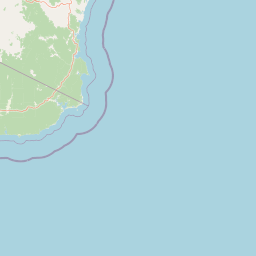
Map view of Cape Howe Marine National Park

Use this park location map to pinpoint Cape Howe Marine National Park in Australia, understand its exact geographic position, and read its mapped placement within the surrounding landscape more clearly.

Pigeon | © OpenStreetMap contributors

Location context for Cape Howe Marine National Park

Victoria
Park atlas

Map the geographic context of Victoria's eastern coastal wilderness and its connected protected landscapes.

Compare Protected Areas and Nearby Parks Around Cape Howe Marine National Park, Victoria
Continue your exploration from Cape Howe Marine National Park by browsing adjacent marine reserves and the terrestrial national parks that form a continuous protected landscape along Victoria's remote eastern coastline. This geographic comparison provides valuable context for understanding regional conservation efforts and the diverse protected areas that define the border region between Victoria and New South Wales.
National parkNew South Wales

Beowa National Park: Protected Landscape and Coastal Geography in New South Wales

Mapped terrain and unique erosion sites within this national park.

Delve into the protected landscape of Beowa National Park, situated in the coastal region of New South Wales. This national park showcases a varied terrain, from heathland headlands to eucalypt woodlands, with the visually dramatic Pinnacles erosion gully as a key highlight. Its geographic setting within Twofold Bay provides a compelling focus for atlas exploration of Australia's protected natural areas.

Area
104.86 km²
Established
1971
IUCN
II
Marine protected areaVictoria

Point Hicks Marine National Park: Victoria's Transitional Marine Protected Area Exploration

Mapped underwater geography and diverse coastal ecosystems

Point Hicks Marine National Park represents a unique warmer eastern marine environment within Victoria, Australia. This protected area safeguards underwater terrains including kelp forests and rocky reefs, crucial for biodiversity. Explore the geography of this marine park, understand its role as a transitional biogeographic zone, and discover the mapped landscapes that distinguish it from western Victoria's cooler waters.

Area
40 km²
Established
2002
IUCN
II
National parkVictoria

Lind National Park: A Historic National Park Protecting East Gippsland Forest Landscapes

Mapped Protected Area with Early Conservation Significance in Victoria

Lind National Park, designated in 1925, is a notable protected area situated in Victoria's East Gippsland region. Covering 1,370 hectares, it safeguards representative forested terrain characterized by eucalypt woodlands, typical of the area's undulating topography. Its historical status as one of Victoria's earliest national parks underscores its importance for understanding the evolution of conservation in Eastern Australia. The park's accessible location along the Princes Highway provides a straightforward opportunity to experience its natural environment and regional geography.

Area
13.7 km²
Established
1925
IUCN
II
National parkNew South Wales

Mimosa Rocks National Park: Coastal Protected Area Atlas and Geographic Discovery

New South Wales National Park with Mapped Coastal Terrain

Mimosa Rocks National Park offers a compelling glimpse into Australia's protected coastal geography. This national park showcases a dynamic landscape where rocky outcrops and sweeping beaches define the Sapphire Coastline within New South Wales. Engage with its mapped boundaries and understand its role as a vital part of the regional protected area network, perfect for detailed atlas exploration and appreciating natural landscape context.

Area
57 km²
Established
1973
IUCN
II
National parkNew South Wales

Biamanga National Park: Protected National Park with Volcanic Landscape & Regional Geography

Discover mapped terrain and natural park boundaries.

Biamanga National Park is a significant protected area in New South Wales, Australia, notable for its volcanic mountain landscape dominated by Mumbulla Mountain. This national park provides valuable context for understanding regional geography, offering insights into its unique terrain, granite formations, and creek systems. Explore its protected boundaries and the ecological significance of this distinct natural landscape.

Area
137.49 km²
Established
1994
IUCN
II
Relief
Mountain
National parkNew South Wales

Wadbilliga National Park: Exploring New South Wales' Rugged Protected Landscape

Discover its mapped terrain and diverse ecosystem geography.

Wadbilliga National Park in New South Wales is a prime example of a large, remote protected area characterized by its rugged natural terrain and diverse ecosystems. Spanning approximately 985 square kilometres, the park features dramatic geographic contrasts, from deep gorges carved by rivers like the Tuross to expansive plateaus and sheltered gullies supporting varied vegetation communities. Its designation as a national park underscores its importance for conservation and provides a unique opportunity for understanding the mapped landscape context of southeastern Australia.

Area
985.3 km²
Established
1979
IUCN
Ib
National parkVictoria

Snowy River National Park: Victoria's Deep Gorges and Alpine Wilderness Discovery

Explore the mapped boundaries and geographic context of this protected landscape.

Snowy River National Park in Victoria offers a profound exploration of rugged alpine terrain and striking river gorges, including the remarkable Little River Gorge. As a designated national park and wilderness area, it protects diverse ecosystems and is a vital component of the Australian Alps National Parks. Discover its geographic identity, natural landscapes, and importance as a mapped protected area for understanding Victoria's conservation network.

Area
987 km²
Established
1979
IUCN
II
National parkNew South Wales

Kooraban National Park: Protected Area Map and Landscape Geography in New South Wales

Explore critical marsupial habitat and transitional terrain.

Kooraban National Park in New South Wales is a protected national park recognized for its role in conserving vulnerable marsupial species and its distinctive transitional landscape. Spanning over 11,500 hectares, the park connects inland tableland environments with coastal ecosystems, defined by the Narira Creek valley and Tuross River system. Its geography supports four distinct vegetation communities, making it a vital area for endangered animal habitats and broader conservation efforts within southeastern Australia. This park provides essential context for understanding regional geography and protected-area networks.

Area
116.26 km²
Established
2001
IUCN
II

Common questions about visiting, size, designation, and location context for Cape Howe Marine National Park

Cape Howe Marine National Park FAQs for park facts, access, geography, and protected area context
Find quick answers about Cape Howe Marine National Park, including protected-area facts, park geography, trail and visitor context, and how the park fits into its surrounding country and regional landscape.
MoriAtlas Explorer

Continue Your Protected Areas Search Across the Global Atlas

Deepen your exploration by continuing the structured search for national parks and protected areas worldwide. Utilize the comprehensive filtering capabilities to compare different conservation landscapes and refine your understanding of global park geography. Discover more about the distribution and characteristics of protected natural areas.

Global natural geography