Why Snowy River National Park stands out
The park is best known for Little River Gorge, Victoria's deepest gorge, which descends dramatically from the Wulgulmerang plateau to the Snowy River. The park provides one of the last natural habitats for the endangered brush-tailed rock wallaby, with numbers estimated as extremely small due to the rugged terrain making population monitoring difficult. The park also protects critical habitat for several threatened species including the long-footed potoroo, spotted quoll (tiger quoll), and giant burrowing frog. Its wilderness classification and limited vehicle access have helped preserve relatively untouched alpine ecosystems.
Snowy River National Park history and protected-area timeline
Evidence of Aboriginal occupation of the Snowy River region dates back to pre-colonial times, with relics discovered indicating that the Kruatungulung group of the Kurnai people used the area for hunting. European exploration and settlement began in the 1840s when cattlemen and miners visited the region. The highland areas were used for summer grazing, and silver mining operations were established in the area. The proposal to establish a national park in the region was first submitted in 1935, reflecting growing recognition of the need to protect the area's natural values. However, it would take more than four decades before the protection was formally enacted, with Snowy River National Park officially established on 26 April 1979. In 2008, the park gained additional recognition when it was inscribed on the Australian National Heritage List as one of eleven areas constituting the Australian Alps National Parks and Reserves, acknowledging its national significance within the broader alpine protected area network.
Snowy River National Park landscape and geographic character
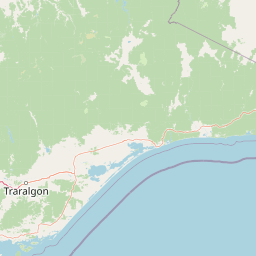
The Snowy River National Park encompasses a dramatic landscape characterized by steep mountain terrain, deep river valleys, and the spectacular Little River Gorge, which is Victoria's deepest gorge. The Little River descends 610 metres off the Wulgulmerang plateau over a 14-kilometre course before joining the Snowy River at an elevation of 122 metres above sea level. The park's terrain is dominated by the Wulgulmerang plateau and associated ranges, with the landscape transitioning from alpine heights through forested slopes to river valleys. Much of the park is classified as wilderness area, characterized by natural landscapes largely unmodified by human activity. McKillops Road follows the northern boundary of the park, descending sharply to cross the Snowy River near its juncture with the Deddick River. The park lies south of the Black-Allan Line, which marks part of the border between Victoria and New South Wales.
Snowy River National Park ecosystems, habitats, and plant life
The Snowy River National Park supports remarkably diverse ecosystems across its altitudinal range, from river valleys to alpine plateaus. Over 250 native species have been recorded within the park, reflecting the variety of habitats present in this protected alpine landscape. The park encompasses several vegetation communities adapted to the cool temperate climate of northeastern Victoria, including wet forests in sheltered valleys, open forests on slopes, and alpine herbfields on exposed heights. The deep gorges and rocky outcrops create specialized habitats for species adapted to cliff and gorge environments. The park's relatively intact natural character and limited development have helped maintain ecological processes that have been disrupted in more modified landscapes across the region.
Snowy River National Park wildlife and species highlights
The park provides critical habitat for several threatened species, with 29 native species recorded considered rare or threatened in Victoria. The brush-tailed rock wallaby finds one of its last remaining natural habitats within the park, particularly in the Little River Gorge area. Population estimates for this endangered marsupial are extremely low, and the rugged terrain makes accurate monitoring challenging. The long-footed potoroo, a small marsupial also listed as threatened, inhabits the park's forests. The spotted quoll, also known as the tiger quoll, is another threatened predator found within the park boundaries. The giant burrowing frog represents the park's amphibian diversity among threatened species. The diversity of habitats supports a broader range of wildlife beyond these threatened species, with the park's position in both the Alpine and East Gippsland regions supporting species distributions from both bioregional influences.
Snowy River National Park conservation status and protection priorities
Snowy River National Park represents a significant conservation achievement in Victoria's protected area network. The park protects critical habitat for multiple endangered and threatened species that have suffered significant declines across their former ranges. The wilderness classification of much of the park provides the highest level of protection for natural processes, limiting human disturbance and vehicle access. The 2008 inscription on the Australian National Heritage List acknowledged the park's national significance as part of the Australian Alps National Parks and Reserves, a coordinated network protecting the unique alpine and sub-alpine environments of southeastern Australia. The park's role in protecting Victoria's deepest gorge at Little River Gorge adds geological significance to its conservation values, while the protection of connectivity with adjacent national parks supports broader landscape-scale conservation objectives across East Gippsland.
Snowy River National Park cultural meaning and human context
The Snowy River region has cultural significance extending back thousands of years, with archaeological evidence indicating Aboriginal occupation by the Kruatungulung group of the Kurnai people. The discovery of relics along the Snowy River provides evidence of traditional land use practices including hunting activities. European settlement from the 1840s introduced new land uses including cattle grazing and silver mining in the higher terrain during summer months. These historical layers of use have shaped the landscape context within which the park was subsequently established, transitioning from multi-use pastoral and mining territory to formal conservation protection. The park's establishment in 1979 represented a recognition that the region's natural values warranted permanent protection, building upon but ultimately superseding the earlier phase of European resource extraction.
Top sights and standout views in Snowy River National Park
Little River Gorge stands as the park's most dramatic feature, Victoria's deepest gorge with a 610-metre descent from the Wulgulmerang plateau. The park protects one of the last strongholds for the endangered brush-tailed rock wallaby in Victoria. Over 250 native species occur within the park, including 29 species considered rare or threatened. The majority of the park is classified wilderness area where vehicle access is prohibited. The park forms part of the Australian Alps National Parks and Reserves, inscribed on the Australian National Heritage List in 2008. McKillops Road provides access to the northern boundary, crossing the Snowy River near its juncture with the Deddick River.
Best time to visit Snowy River National Park
The park can be visited year-round, with each season offering different experiences. Summer months (December to February) provide the most accessible conditions for exploring the park's lower elevations and gorges, though mountain weather can change rapidly. Autumn (March to May) often brings stable weather and colorful foliage in the forests. Winter (June to August) transforms the higher terrain with snow, though some roads may be affected by closures or require chains. Spring (September to November) brings wildflower displays and flowing waterfalls as snowmelt feeds the rivers. Visitors should note that much of the park is remote with limited facilities, and McKillops Road is designated unsuitable for caravans, trailers, and semi-trailers due to its narrow, steep nature.