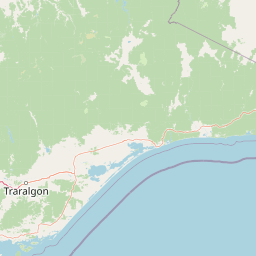
Why Lind National Park stands out
Lind National Park is best known as one of Victoria's pioneering national parks, established in 1925 during the earliest wave of protected area creation in the state. The park protects forested landscapes in East Gippsland, an region characterized by complex terrain, tall eucalyptus forests, and rich biodiversity. Its location adjacent to the Princes Highway makes it accessible to travelers exploring Victoria's far east, and its historical significance as an early protected area distinguishes it from more recently established reserves.
Lind National Park history and protected-area timeline
Lind National Park was established in 1925, making it one of the earliest national parks created in Victoria. This establishment came during a period when awareness of the need to preserve natural landscapes was gaining momentum in Australia. The park was named to honor Charles Lind, a significant figure in Victorian conservation history. The selection of this area for protection reflected recognition of the ecological and scenic values of East Gippsland's forested landscapes. The park's creation contributed to Victoria's developing network of national parks, which would expand significantly over subsequent decades to encompass the state's diverse environmental regions.
Lind National Park landscape and geographic character
The landscape of Lind National Park consists of forested terrain typical of East Gippsland, featuring gentle to moderate slopes covered with eucalypt forest. The area sits within a broader region of undulating hills and woodland that characterizes much of eastern Victoria. The park's elevation and aspect create conditions suitable for tall forest growth, with various eucalypt species dominating the canopy. The terrain provides a typical representation of Victorian temperate forest environments, with the park's vegetation blending into the surrounding East Gippsland landscape. The proximity to the Princes Highway allows visitors to experience this forest environment without requiring extensive off-highway travel.
Lind National Park ecosystems, habitats, and plant life
The nature of Lind National Park centers on its temperate forest ecosystem, characterized by eucalyptus-dominated woodland and open forest. East Gippsland supports a range of plant communities, and the protected area preserves representative examples of these forest types. The park contributes to the conservation network that protects Victoria's eastern forests, providing habitat for various woodland species. The forest environment represents a significant component of Victoria's natural heritage, with the protected status ensuring the preservation of ecological processes and native vegetation communities.
Lind National Park wildlife and species highlights
The wildlife of Lind National Park reflects the biodiversity typical of East Gippsland's eucalyptus forests. The region supports numerous bird species, including various parrots, honeyeaters, and woodland birds that inhabit the eucalypt canopy and understory. Mammals native to the area include common species such as possums and wallabies that inhabit the forest's various layers. The park's protected status helps maintain wildlife habitats within the broader East Gippsland landscape, supporting populations of native species within a managed conservation framework.
Lind National Park conservation status and protection priorities
Lind National Park represents an early conservation achievement in Victoria, established in 1925 to protect the forested landscapes of East Gippsland. The park's protected status preserves representative examples of Victoria's temperate forest ecosystems, contributing to the state's network of conservation reserves. As one of Victoria's older national parks, it demonstrates the enduring value of early protected area initiatives, with the reserve continuing to serve conservation purposes more than nine decades after its establishment. The park contributes to biodiversity conservation by protecting forest habitats within East Gippsland's environmental landscape.
Lind National Park cultural meaning and human context
The East Gippsland region has been home to Aboriginal peoples for thousands of years, with the landscape holding cultural significance for Indigenous communities. While the Wikipedia source does not provide specific details about Indigenous heritage within Lind National Park, the broader East Gippsland region contains areas of cultural importance to local Aboriginal groups. The establishment of the park in 1925 occurred within a historical context when Indigenous connection to Victorian landscapes was often not formally recognized in protected area management.
Top sights and standout views in Lind National Park
Lind National Park stands out as one of Victoria's oldest national parks, established in 1925 to protect East Gippsland's forest landscapes. The park offers visitors accessible forest experiences along the Princes Highway corridor between Orbost and Cann River. Its historical significance as an early protected area, combined with its role in preserving East Gippsland's natural environments, makes it a meaningful destination for those interested in Victoria's conservation heritage. The park provides a straightforward forest recreation experience in a region known for its extensive natural landscapes.
Best time to visit Lind National Park
The best time to visit Lind National Park is during the cooler months from autumn through spring, when mild temperatures make comfortable exploration of the forest trails more enjoyable. Summer months can bring warmer conditions, though the forest environment provides some shade. The park can be visited year-round, with each season offering different environmental conditions. Visitors traveling along the Princes Highway through East Gippsland may find the park a convenient stop for experiencing Victoria's forest landscapes.