
Mori Atlas logo
National parkLuengue-Luiana National Park

Mapping diverse woodlands, expansive floodplains, and critical wildlife corridors across southeastern Angola.

Luengue-Luiana National Park: Angola's Vast Protected Landscape and Transfrontier Conservation Hub

(Parque Nacional do Luengue-Luiana)

Luengue-Luiana National Park represents one of Angola's most significant protected areas, encompassing over 42,000 square kilometers in the southeastern corner. This expansive national park features a mosaic of open woodlands dominated by endemic trees, interspersed with extensive floodplain grasslands along the Cuando River. Its strategic location within the Kavango-Zambezi Transfrontier Conservation Area highlights its importance for regional wildlife migration and landscape connectivity across southern Africa.

Transfrontier ConservationWetland WildernessLarge Mammal HabitatBirdwatchingElephant ConservationKavango-Zambezi

Luengue-Luiana National Park

National park

Park overview

Structured park overview, official facts, and landscape profile for Luengue-Luiana National Park

Luengue-Luiana National Park park facts, protected area profile, and essential visitor context
Review the core facts for Luengue-Luiana National Park, including designation, size, terrain, visitor scale, habitats, and operating context in one park-focused overview.

About Luengue-Luiana National Park

Luengue-Luiana National Park occupies a remarkable position in southern Africa's conservation landscape as a massive wilderness area spanning 42,000 square kilometers in Cuando Province. The park was established in 2011 as part of Angola's post-civil war commitment to expanding and strengthening its protected area network, created through National Assembly Decree that proclaimed both Luengue-Luiana and the adjacent Longa-Mavinga as national parks. The park incorporates former hunting reserves known as coutadas from the colonial period, along with the former Luiana and Mucusso reserves.

The park's geographic position at the intersection of Angola, Namibia, Zambia, and Botswana makes it a critical node in regional conservation. It forms the northern anchor of the Kavango-Zambezi Transfrontier Conservation Area, the world's largest transfrontier conservation initiative, spanning portions of five countries in the upper Zambezi and Okavango basins. To the east, the Cuando River marks the border with Zambia and provides a natural boundary with Sioma Ngwezi National Park, while to the south the park abuts Namibia's Bwabwata National Park.

The park's governance falls under Angola's Ministry of Hotels and Tourism, which oversees management and conservation activities. Since its establishment, the park has faced significant challenges including the legacy of landmines placed during the Angolan Civil War and ongoing pressures from poaching and bushmeat hunting. However, international attention and government commitment to mine clearance offer hope for gradual improvement in security and eco-tourism potential.

Quick facts and research context for Luengue-Luiana National Park

Luengue-Luiana National Park spans 42,000 km² in Cuando Province, making it one of Angola's largest protected areas. The park was formally established in 2011 through National Assembly Decree, incorporating the former Luiana and Mucusso reserves. It serves as a critical component of the Kavango-Zambezi Transfrontier Conservation Area, connecting to Zambia's Sioma Ngwezi National Park across the Cuando River and Namibia's Bwabwata National Park to the south. The park features a complex landscape of woodland ecosystems and seasonal floodplains that support significant biodiversity, though wildlife populations were severely impacted by poaching and hunting during the Angolan Civil War.

Park context

Deeper park guide and search-rich context for Luengue-Luiana National Park

Luengue-Luiana National Park history, landscape, wildlife, and travel context
Explore Luengue-Luiana National Park through its history, landscape character, ecosystems, wildlife, conservation priorities, cultural context, and seasonal travel timing in a structured park guide built for atlas discovery and search intent.

Why Luengue-Luiana National Park stands out

Luengue-Luiana is best known for its role as a transfrontier conservation hub linking southern Africa's major protected landscapes, and for its recovering populations of large mammals including African bush elephant and black rhinoceros. The park's extensive floodplains along the Cuando River support outstanding wetland bird habitats and migratory waterfowl. The landscape features distinctive open woodland with scattered trees across sandy soils, creating a park that represents one of the last great wilderness areas in Angola's southeast. The park is also notable for the ongoing landmine clearance efforts that are gradually opening previously inaccessible areas for wildlife recovery and potential eco-tourism development.

Luengue-Luiana National Park history and protected-area timeline

The region that now comprises Luengue-Luiana National Park has a complex history dating to the colonial era when hunting reserves known as coutadas were established in the area. During the Angolan War of Independence from 1961 to 1974, the region saw relatively little combat, and the area remained relatively untouched during this period. The situation changed dramatically with the onset of the Angolan Civil War in 1975, which lasted until 2002 and left deep scars on the region's wildlife and landscapes.

During the civil war, the area became a scene of intense fighting between various factions, and combatants laid thousands of land mines throughout the park. These mines continue to pose a severe threat to wildlife, anti-poaching patrols, and potential tourism development. Large animals including elephants, buffalo, and hippos have been killed or maimed by exploding mines, while the presence of unexploded ordnance has severely limited the ability of rangers to effectively patrol vast areas of the park.

Following the end of the civil war, Angola undertook efforts to establish a modern protected area network. In December 2011, the National Assembly issued Decree No. 38/11, formally establishing Luengue-Luiana and Longa-Mavinga as national parks. The creation of the park marked a significant milestone in Angolan conservation, though the legacy of conflict continues to shape management challenges. In September 2019, Prince Harry visited the park and highlighted the urgent importance of landmine clearance, following the Angolan government's pledge of 60 million dollars toward mine removal in the region.

Luengue-Luiana National Park landscape and geographic character

The physical landscape of Luengue-Luiana is characterized by vast open woodland extending across gently undulating terrain in southeastern Angola. The dominant vegetation consists of woodlands dominated by tree species including Burkea, Baikiaea, Pterocarpus, and Erythrophleum in the southern portions, while the northern areas feature Erythrophleum, Burkea, Julbernardia, and Guibourtia. Tree spacing varies considerably across the park, creating an open canopy that allows sunlight to reach the ground layer.

The ground cover consists primarily of sparse grass growing on leached sandy soils that hold little moisture near the surface, creating a characteristically dry woodland appearance. In the north-central portion of the park, small areas of denser woodland break the general openness. Along the Cuando River, the landscape transforms dramatically into broad floodplain grasslands stretching 10 to 15 kilometers wide, which experience seasonal or permanent flooding. Smaller flooded areas occur along other watercourses throughout the park.

The riverine environments feature distinct zonation based on water depth and permanence. Papyrus dominates the deepest waters and areas directly adjacent to river channels, while species of Phragmites and Miscanthus dominate shallower waters, upstream sections, and areas that experience seasonal drying. These floodplains represent critically important wet-season habitat for wildlife and provide dry-season refuge for many species.

Luengue-Luiana National Park ecosystems, habitats, and plant life

The ecological character of Luengue-Luiana centers on a complex of woodland and wetland habitats that support remarkable biodiversity. The park's woodland ecosystems represent a transition between the more humid Miombo woodlands of central Africa and the drier Kalahari systems to the south. This positioning gives the park a distinctive ecological character with species assemblages reflecting influences from multiple regional biomes.

The floodplain grasslands along the Cuando River represent one of the park's most ecologically significant habitats. These broad stretches of seasonally flooded grassland provide critical wet-season grazing for large herds of ungulates and serve as nesting and feeding grounds for numerous waterbird species. The permanent and seasonal wetlands support both resident and migratory bird populations, making the park an important node in the East African flyway.

The park's position within the Kavango-Zambezi Transfrontier Conservation Area places it at the heart of one of Africa's most significant wildlife corridors. This transfrontier context allows for seasonal migration patterns across international boundaries and maintains genetic connectivity between wildlife populations across multiple protected areas. The ecosystem services provided by this landscape include water filtration, carbon storage, and maintenance of biodiversity that extends far beyond Angola's borders.

Luengue-Luiana National Park wildlife and species highlights

Luengue-Luiana National Park supports a diverse community of large mammals that represents one of Angola's most significant wildlife populations. The park is home to African bush elephants that traverse the landscape in family groups, with the park's waterways and floodplains providing crucial dry-season water sources. Giraffes browse on the distinctive flat-topped canopy trees throughout the woodland, while black rhinoceros, though severely depleted by poaching, persist in the more remote areas of the park.

The floodplains and woodlands support populations of common eland, plains zebra, African buffalo, and sable antelope that form the basis of the predator community. Leopards stalk these prey species through the woodland, while hippos congregate in the permanent pools of the Cuando River. Waterbuck thrive in the riparian zones and floodplain edges, and impala occupy the transition between woodland and grassland habitats.

The birdlife of the park is exceptionally diverse, with the wetlands supporting both resident waterbirds and migratory species that travel the East African flyway. The floodplain grasslands provide crucial breeding habitat for numerous species, while the woodland supports a different community of forest-dwelling and savanna bird species. Smaller mammals throughout the park include various mongoose species, primates, and rodents that form the base of the food web supporting the larger predators. The wildlife communities were severely impacted by intensive hunting and poaching during the civil war period, but populations have shown encouraging signs of recovery since the establishment of the park.

Luengue-Luiana National Park conservation status and protection priorities

The conservation significance of Luengue-Luiana extends far beyond its boundaries as a critical component of the Kavango-Zambezi Transfrontier Conservation Area, the world's largest transfrontier conservation initiative. This vast network of protected areas spanning five countries maintains ecological connectivity across one of Africa's most significant wildlife migration corridors, with the park serving as a crucial northern anchor for the system. The park's wetlands and woodlands provide habitat for species whose conservation depends on international cooperation.

However, the park faces severe conservation challenges stemming from its recent wartime history. Landmines placed during the Angolan Civil War continue to kill and maim wildlife, particularly large mammals including elephants, buffalo, and hippos. These explosive devices also impede anti-poaching patrols by making large areas effectively inaccessible to rangers. In 2019, HALO Trust estimated that 153 minefields remained within Luengue-Luiana and Longa-Mavinga national parks, representing a deadly legacy that will take years to fully address.

Poaching and bushmeat hunting remain significant threats to wildlife recovery, though the formal protected status of the park and international attention have brought increased resources for conservation. The Angolan government's pledge of 60 million dollars toward landmine clearance in 2019, with a target completion date of 2025, represents a major commitment that could dramatically improve both wildlife safety and the park's eco-tourism potential. The presence of Prince Harry at the park in 2019 brought international visibility to these conservation challenges and the ongoing efforts to address them.

Luengue-Luiana National Park cultural meaning and human context

The cultural context of Luengue-Luiana National Park reflects the broader patterns of human settlement and land use in southeastern Angola's border regions. The former hunting reserves known as coutadas that existed during the colonial period established a tradition of large-scale land management for wildlife conservation, though these were primarily oriented toward European hunting interests rather than local community benefits. The establishment of the park as a national protected area represents a continuation of this conservation-oriented approach, though the transition from colonial to post-independence management has brought changes in how the landscape is governed.

The region is home to communities whose traditional livelihoods have historically included pastoralism and seasonal movement in response to rainfall patterns and grazing availability. The floodplains of the Cuando River in particular have supported human communities through providing water, fishing opportunities, and grazing land during the dry season. The integration of these communities into the park's management represents both a challenge and an opportunity for sustainable conservation that balances wildlife protection with human needs. The ongoing landmine clearance efforts not only benefit wildlife but also contribute to community safety in areas where local populations have lived with the threat of unexploded ordnance since the civil war ended.

Top sights and standout views in Luengue-Luiana National Park

The defining highlight of Luengue-Luiana is its position as one of the largest and most ecologically significant protected areas in Angola, forming a critical component of the Kavango-Zambezi Transfrontier Conservation Area. The park's 42,000 square kilometer expanse encompasses a remarkable diversity of habitats from open woodland to extensive floodplain grasslands, supporting populations of elephants, rhinos, giraffes, and numerous other large mammal species. The Cuando River floodplains represent a particularly outstanding feature, with grasslands stretching up to 15 kilometers wide and providing crucial habitat for both wildlife and migratory birds.

The ongoing recovery of wildlife populations following the devastation of the civil war represents a hopeful conservation story, while the ambitious landmine clearance program offers the prospect of eventually opening the full park for eco-tourism development. The park's transfrontier position connecting protected areas across five countries makes it globally significant for maintaining regional biodiversity and enabling wildlife migrations that depend on cross-border cooperation. The presence of threatened species including black rhinoceros adds to the park's conservation importance, while the sheer scale of the protected landscape makes it one of Africa's great wilderness areas.

Best time to visit Luengue-Luiana National Park

The optimal time to visit Luengue-Luiana depends on what aspects of the park experience visitors prioritize. The dry season from May through October offers the best wildlife viewing opportunities as animals concentrate around remaining water sources and vegetation thins, making animals easier to spot. The floodplains along the Cuando River are particularly productive during this period as the grasslands dry out and wildlife congregates near permanent water. However, this is also when landmine clearance operations may affect access to certain areas, and visitors should confirm current conditions with park authorities.

The wet season from November through April transforms the landscape dramatically, with the floodplains becoming inundated and the woodland turning green. This period offers excellent birdwatching as migratory species arrive and the wetland environments become alive with waterfowl and other birdlife. The landscape photography opportunities during this season are exceptional, though some areas may be difficult to access due to flooding. The transition periods at the start and end of the wet season often offer a good balance between accessibility and the unique experiences each season provides.
Park location guide

Geography guide, regional context, and park location map for Luengue-Luiana National Park

Luengue-Luiana National Park park geography, regions, and map view in Angola
Understand where Luengue-Luiana National Park sits in Angola through a broader geographic reading of the surrounding landscape, nearby location context, and its mapped position within the national park landscape.

How Luengue-Luiana National Park fits into Angola

Angola is a unitary presidential republic on the western coast of Southern Africa. Gaining independence from Portugal in 1975, it borders Namibia, the Democratic Republic of the Congo, Zambia, and the Atlantic Ocean. The country has an exclave province called Cabinda. With a population of over 36 million, Angola is rich in oil and mineral resources.

Wider geography shaping Luengue-Luiana National Park in Angola

Angola is located on the western coast of Southern Africa along the Atlantic Ocean. It is bordered by Namibia to the south, the Democratic Republic of the Congo to the north, Zambia to the east, and the Atlantic Ocean to the west. The country includes the exclave province of Cabinda, which borders the Republic of the Congo and the Democratic Republic of the Congo. The terrain includes coastal lowlands, highland plateaus, and interior plains.

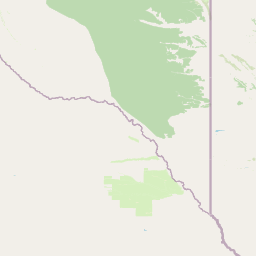
Map view of Luengue-Luiana National Park

Use this park location map to pinpoint Luengue-Luiana National Park in Angola, understand its exact geographic position, and read its mapped placement within the surrounding landscape more clearly.

Pigeon | © OpenStreetMap contributors

Location context for Luengue-Luiana National Park

Cuando Province
Park atlas

Map the regional spread of conservation landscapes and connected protected areas surrounding this vast Angolan wilderness.

Explore Other National Parks and Protected Areas Near Luengue-Luiana National Park in Southeastern Angola
Browse other significant national parks and protected areas in Angola and the broader transfrontier conservation region, expanding your view beyond Luengue-Luiana National Park. Compare park geography, conservation priorities, and diverse ecosystems to understand the regional context and the interconnectedness of southern Africa's crucial protected landscapes.
National parkZambezi Region

Bwabwata National Park: National Park in the Zambezi Region, Namibia

Explore savanna ecosystem and riverine landscapes.

Bwabwata National Park represents a significant protected landscape in Namibia's Zambezi Region, notable for its integrated community conservation model and its function as a vital wildlife corridor. This national park spans the Caprivi Strip, featuring savanna woodlands and crucial riparian zones along the Okavango and Kwando rivers. As a key component of the Kavango-Zambezi Transfrontier Conservation Area, it facilitates significant elephant migrations, providing rich opportunities for atlas-based exploration of mapped protected areas and regional geography.

Area
6,274 km²
Established
2007
IUCN
II
National parkNamibia

Khaudum National Park: Namibia's Remote Kalahari Protected Landscape and Predatory Wildlife

Explore mapped boundaries and seasonal river ecosystems.

Khaudum National Park is a substantial protected landscape in northeastern Namibia, deep within the Kalahari Desert. This remote national park encompasses over 3,800 square kilometers of dry forest and acacia woodland, dissected by three major Omuramba dry river systems. It is globally recognized for its thriving populations of large predators like lions and spotted hyenas, alongside significant numbers of elephants and giraffes. The park's unique semi-arid terrain and biodiversity make it a key destination for understanding regional protected-area geography and landscape context.

Area
3,842 km²
IUCN
II
National parkBotswana

Chobe National Park: Botswana National Park Atlas and Mapped Landscape Explorer

Discover Botswana's diverse protected areas and unique savanna wetlands.

Chobe National Park represents a cornerstone of protected land discovery in Botswana, offering an unparalleled glimpse into a landscape shaped by dynamic water systems and iconic wildlife. This national park is not merely a destination; it is a vital ecosystem supporting vast elephant populations and showcasing a remarkable variety of terrain from riverine floodplains to savanna marshes. Understanding Chobe National Park through its mapped boundaries and regional geographic context reveals its significance as a protected natural area with diverse habitats supporting critical conservation efforts.

Area
11,700 km²
Established
1967
IUCN
II
National parkZimbabwe

Kazuma Pan National Park: Zimbabwe National Park Atlas and Protected Landscape Exploration

Unique plains landscape with reliable dry-season wildlife viewing.

Kazuma Pan National Park offers a rare glimpse into Zimbabwe's expansive grassy plains and vital pans, creating a unique protected landscape. This national park is critical for understanding regional wildlife migrations and the geographic context of conservation areas in northwestern Zimbabwe, providing an essential entry point for atlas-based exploration of its terrain and ecological significance.

Area
313 km²
Established
1975
IUCN
II
National parkBotswana

Nxai Pan National Park: Botswana's Iconic Baobab Forests and Salt Pan Landscape

Explore mapped boundaries and unique regional geography.

Nxai Pan National Park offers a compelling glimpse into Botswana's unique semi-arid ecosystems, characterized by the expansive, salt-crusted Nxai Pan itself and the iconic Baines Baobabs dotting its edges. As a protected national park, it represents a significant conservation landscape within the Kalahari Desert region. Understanding its geography involves appreciating the stark visual contrasts, seasonal wetland transformations, and the vast openness of the salt pan environment.

Area
2,578 km²
Established
1992
IUCN
Ib
National parkMoxico Leste Province

Cameia National Park: Unique Zambezi Basin Wetlands and Miombo Woodlands in Angola

Explore the mapped geography of Angola's sole Zambezi basin ecological sample.

Cameia National Park is a significant protected area in Moxico Leste Province, Angola, distinguished by its status as the country's only representation of Zambezi River basin ecosystems. The park features extensive seasonally inundated plains and characteristic miombo woodlands, offering a unique mosaic of wetland and forest landscapes. Understanding its geographic setting, hydrological connections to the Chifumage, Lumege, and Luena rivers, and its position within the broader Zambezi drainage system provides essential context for this irreplaceable protected territory.

Area
1,445 km²
Established
1938
IUCN
II
Relief
Lowland
National parkNorth Western Province

West Lunga National Park: Protected Evergreen Forest in Zambia's North Western Province

Mapped boundaries of rare Zambezian Cryptosepalum dry forests

West Lunga National Park stands as a testament to Zambia's unique ecological treasures, recognized as its sole national park predominantly covered by dense evergreen forest. This protected area is a vital sanctuary for the rare Zambezian Cryptosepalum dry forests, representing the largest contiguous forest of its kind outside equatorial Africa. Exploring this park reveals a landscape defined by the dense canopy of mukwe trees, sandy terrain, and a profound sense of remote wilderness, offering distinct atlas and geographic discovery.

Area
1,700 km²
IUCN
II
National parkSouth Africa

Blue Lagoon National Park: National Park Atlas and Mapped Wetland Geography

Discover the protected landscape and fauna of Zambia's Kafue Flats.

Blue Lagoon National Park is a critical protected area recognized for its unique wetland and floodplain environment within South Africa's extensive Kafue Flats system. Established in 1976, this national park offers significant opportunities for atlas-driven exploration of its mapped geography and protected landscape. Visitors can learn about the park's ecological significance, its characteristic terrain of lagoons and marshes, and its importance as a sanctuary for endemic wildlife and diverse bird species, contributing valuable context to the broader regional atlas.

Area
500 km²
Established
1976
IUCN
II

Common questions about visiting, size, designation, and location context for Luengue-Luiana National Park

Luengue-Luiana National Park FAQs for park facts, access, geography, and protected area context
Find quick answers about Luengue-Luiana National Park, including protected-area facts, park geography, trail and visitor context, and how the park fits into its surrounding country and regional landscape.
MoriAtlas Explorer

Continue Your Protected Areas Search Across the Global Atlas

Deepen your exploration by continuing the structured search for national parks and protected areas worldwide. Utilize the comprehensive filtering capabilities to compare different conservation landscapes and refine your understanding of global park geography. Discover more about the distribution and characteristics of protected natural areas.

Global natural geography