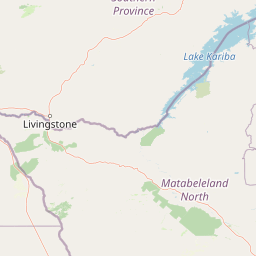
Why Kazuma Pan National Park stands out
Kazuma Pan is best known for its unique representation of East African-style plains scenery within Zimbabwe, offering visitors the rare opportunity to experience expansive grasslands and excellent wildlife visibility in a country more typically associated with woodland and bush environments. The park's system of pans, sustained by borehole water during the dry season, creates one of Zimbabwe's most reliable wildlife viewing experiences, with large concentrations of elephants, buffalo, and diverse antelope species gathering at these permanent water sources. The park is also notable for supporting populations of rare species including the oribi antelope, cheetah, and African wild dog, making it an important conservation area for some of Zimbabwe's less common large mammals.
Kazuma Pan National Park history and protected-area timeline
Kazuma Pan National Park was originally proclaimed in 1949, establishing its initial protected status within Zimbabwe's colonial-era conservation framework. However, the park was deproclaimed in 1964 after no significant development had occurred, reflecting the limited investment in infrastructure and management during the intervening years. The park's fortunes changed with the passage of the Parks and Wild Life Act of 1975, which restored its national park status and provided a modern legislative framework for its management and protection. This restoration positioned the park within Zimbabwe's contemporary conservation estate while recognizing its ecological significance as a wilderness area and wildlife corridor. The park continues to operate under the management of the Zimbabwe Parks and Wild Life Management Authority, with ongoing consideration for its inclusion in the broader Kavango-Zambezi Transfrontier Conservation Area that would connect protected areas across five southern African nations.
Kazuma Pan National Park landscape and geographic character
The physical landscape of Kazuma Pan National Park is defined by its extensive grassy plains that create an open, relatively flat terrain atypical of Zimbabwe's more typical bushveld environments. These plains are interspersed with a series of pans, which are shallow depressions that may hold water seasonally or permanently depending on their specific location and hydrology. The grasslands are fringed by mopane woodland and Kalahari sand woodlands, creating a transition zone between the open plains and denser vegetation. In the southwestern portion of the park, the pan system becomes more pronounced, with seasonally flooded areas that attract waterfowl and create temporary wetland habitat. The combination of open grass, woodland margins, and pan systems creates a visually diverse landscape that supports different ecological communities while maintaining the park's characteristic plains-based character.
Kazuma Pan National Park ecosystems, habitats, and plant life
The ecological character of Kazuma Pan centers on its grassland and pan wetland systems, which support a distinctive set of habitats within Zimbabwe's protected area network. The grassy plains provide extensive grazing habitat supporting populations of zebra, wildebeest, and various antelope species, while the mopane and Kalahari sand woodlands along the margins offer browse for giraffe and elephant. The pan systems, particularly those with permanent water availability, create ecological foci that concentrate wildlife during the dry season when water becomes scarce across the broader landscape. The southwestern pans with seasonal flooding support wetland vegetation and attract diverse waterfowl, adding an aquatic dimension to the park's ecological portfolio. This combination of grassland, woodland, and wetland habitats contributes to the park's biodiversity value and its role as a seasonal wildlife corridor between Botswana and Zimbabwe.
Kazuma Pan National Park wildlife and species highlights
Kazuma Pan supports a meaningful assemblage of large mammals typical of southern African savanna ecosystems, with notable populations of elephant and Cape buffalo that concentrate around water sources during the dry season. The antelope community is particularly diverse, with species including gemsbok, roan antelope, sable antelope, tsessebe, common eland, and Southern reedbuck all present within the park. Predator species include lion, which are fairly common, leopard, and occasionally cheetah or African wild dog, though the latter two are considered rare. The park holds special significance for oribi populations, as this small antelope species is rather rare elsewhere in Zimbabwe. The birdlife associated with the pan systems includes storks, crowned cranes, stilts, cormorants, ducks, and kingfishers, with the seasonally flooded southwestern pans attracting particularly varied waterfowl assemblages.
Kazuma Pan National Park conservation status and protection priorities
Kazuma Pan National Park contributes to Zimbabwe's conservation estate by protecting a rare example of plains-based ecology within the country, representing an ecosystem type that is poorly represented in other protected areas. The park's position along the Botswana border and its role as a wildlife corridor during seasonal migrations connect it to broader transfrontier conservation objectives, with ongoing consideration for its inclusion in the Kavango-Zambezi Transfrontier Conservation Area. The maintenance of permanent water through borehole pumping ensures reliable wildlife habitat during the dry season, supporting animal populations when water is scarce elsewhere. The park's wilderness character, maintained through limited infrastructure development and prohibition of permanent accommodation, preserves ecological processes and natural landscape values that might be compromised in more heavily developed protected areas.
Kazuma Pan National Park cultural meaning and human context
Kazuma Pan National Park exists within a remote frontier region of Zimbabwe where human population density is low and historical land use patterns have been shaped by extensive rather than intensive activities. The park's border position places it within a broader transfrontier landscape that spans both Zimbabwe and Botswana, reflecting the way that wildlife populations and ecological processes do not respect political boundaries. The absence of accommodation facilities within the park and the limited tourism development reflect both the park's remote location and a management approach that prioritizes wilderness preservation over visitor convenience.
Top sights and standout views in Kazuma Pan National Park
The standout features of Kazuma Pan include its distinctive plains landscape offering excellent wildlife visibility, reliable dry-season game viewing around permanent water sources, significant populations of elephants and buffalo, and the presence of rare species including oribi and African wild dog. The park's wilderness character, with minimal development and no permanent lodging, provides an authentic safari experience for visitors willing to venture to this remote northwestern corner of Zimbabwe.
Best time to visit Kazuma Pan National Park
The optimal time to visit Kazuma Pan National Park is during the latter part of the dry season, from September through November, when wildlife concentrates around the permanent water sources and visibility is at its best. As water becomes scarce across the broader landscape, animals congregate at the pumped pans within the park, creating excellent viewing opportunities for elephants, buffalo, and diverse antelope species. The first rains of November or December signal the end of the dry season and bring seasonal flooding to the southwestern pans, attracting waterfowl and transforming the landscape's character. The cooler dry season months offer more comfortable conditions for game viewing, while the wet season brings greener landscapes but more dispersed wildlife and potential access challenges.