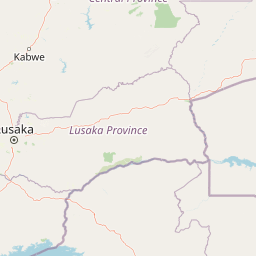
Why Mana Pools National Park stands out
Mana Pools is renowned as one of Africa's premier game-viewing wilderness areas, where the seasonal drying of the floodplain lakes creates concentrated wildlife populations as animals converge in search of water. The park is famous for its untouched floodplain ecosystem, large populations of megafauna including elephants and buffaloes, and the dramatic landscapes of river channels, sandbanks, and ancient baobab forests. It is considered one of the world's wildest and best-preserved natural ecological areas, offering visitors the opportunity to experience a near-pristine African wilderness with minimal development.
Mana Pools National Park history and protected-area timeline
Mana Pools National Park was established as a protected area recognizing the extraordinary ecological significance of the lower Zambezi floodplain. In 1984, the park was inscribed as a UNESCO World Heritage Site, not as an isolated area but as the core of a larger transfrontier conservation complex that includes the Sapi Safari Area and Chewore Safari Area in Zimbabwe, creating a protected zone spanning 6,766 square kilometres. The designation came at a time when the park was serving as one of Africa's most important refuges for eastern black rhinoceros populations, with approximately 500 animals present. However, by 1994, poaching had devastated this population to just ten individuals, who were subsequently relocated to secure protected areas for their survival. In the early 1980s, the park was saved from a proposed hydroelectric scheme that would have flooded the area, and more recently it has faced new threats from proposed development projects including the Mupata Gorge hydroelectric scheme.
Mana Pools National Park landscape and geographic character
The Mana Pools landscape is defined by the dynamic interaction between the Zambezi River and its floodplain. The terrain is predominantly flat alluvial plain, punctuated by the four permanent pools that give the park its name. These pools are remnants of old river channels that now form still bodies of water even during the dry season. The surrounding landscape includes extensive sandbanks that emerge as water levels fall, islands of varying sizes covered in riverine vegetation, and Channels that connect the pools to the main river course. Flanking the floodplain, particularly on the eastern bank, forests of mahogany, wild figs, ebonies, and characteristic baobab trees create a distinct riparian zone. The baobabs of Mana Pools are particularly notable, with ancient specimens standing as landmarks across the floodplain. The overall impression is of a vast, open wilderness where water, sand, and forest create a constantly changing mosaic across the seasonal cycle.
Mana Pools National Park ecosystems, habitats, and plant life
The ecological character of Mana Pools is shaped by the annual flood cycle of the Zambezi River. Each year, seasonal rains cause the river to overflow its banks, transforming the floodplain into an extensive network of lakes, Channels, and wetlands. As the floodwaters recede through the dry season, the shrinking pools and remaining water holes become critical refuges for wildlife, creating the conditions for exceptional game viewing. The riparian forests along the floodplain edge support a distinct plant community dominated by mahogany, wild figs, ebonies, and baobabs, providing important habitat for numerous species. The combination of aquatic environments, open floodplain, and riverine forest creates a mosaic of habitats that supports extraordinary biodiversity. The park is recognized as one of the least developed national parks in Southern Africa, with minimal infrastructure preserving the ecological integrity of the area.
Mana Pools National Park wildlife and species highlights
Mana Pools supports exceptional concentrations of wildlife, particularly during the dry season when animals congregate around the remaining water sources. The park holds Zimbabwe's largest populations of hippopotamus and Nile crocodile, with these large aquatic mammals and reptiles concentrated around the permanent pools andChannels. Large herds of African elephant and Cape buffalo migrate through the floodplain in search of grazing, while zebra populations move across the landscape in their thousands during seasonal movements. The predator community includes lion, cheetah, Cape wild dog, leopard, and brown hyena, with the area supporting viable populations of these species. The birdlife is equally impressive, with over 350 species recorded including numerous waterfowl, raptors, and forest-dwelling species. The park's aquatic environments support diverse fish species and other freshwater wildlife. Historically, the area was a crucial refuge for eastern black rhinoceros, though this population has been severely impacted by poaching.
Mana Pools National Park conservation status and protection priorities
Mana Pools National Park is recognized internationally as a site of outstanding universal value, inscribed as a UNESCO World Heritage Site in 1984 based on its pure wilderness and natural beauty meeting criteria for natural heritage. The designation as a Ramsar wetland in 2013 further cemented its international protection status under the Convention on Wetlands. The park faces significant conservation challenges, including the legacy impacts of rhino poaching that reduced the population from approximately 500 individuals to near elimination by the mid-1990s. More recently, the park has faced threats from proposed extractive development, including a 2023 application for oil and gas prospecting adjacent to the park boundaries. Conservation efforts also address the ecological impacts of upstream dam development, with the regulation of Kariba Dam affecting the natural flood cycle and proposed new dams on the Zambezi posing potential future threats to the ecosystem's integrity.
Mana Pools National Park cultural meaning and human context
The name Mana Pools derives from the Shona language, in which Mana means four, directly referencing the four large permanent pools that form the core of the park's identity. These pools have been significant to local communities for generations as reliable water sources in the seasonal landscape. The park lies in a region inhabited by various Shona-speaking communities whose traditional relationship with the land involved seasonal movement and utilization of the floodplain resources. The area's cultural context is closely tied to the river and its seasonal rhythms, which have historically governed patterns of settlement, agriculture, and resource use in the region. The park's designation as a protected area has shaped the relationship between local communities and the landscape, creating both conservation opportunities and challenges for traditional land use practices.
Top sights and standout views in Mana Pools National Park
The four permanent pools at the heart of Mana Pools create a dramatic dry-season wildlife spectacle as animals congregate around these reliable water sources. The ancient baobab forests flanking the floodplain represent some of the most impressive stands of these iconic African trees, creating silhouetted landmarks against the sky. The riverfront environment of 2,500 square kilometres provides one of the most extensive and least developed wilderness experiences in Southern Africa. The park's status as a UNESCO World Heritage Site and Ramsar wetland recognises its global significance as a preserved ecological area. The contiguous relationship with Zambia's Lower Zambezi National Park creates an international conservation corridor. The combination of large mammal concentrations, exceptional birdlife, and a near-pristine floodplain ecosystem makes Mana Pools one of Africa's most sought-after wilderness destinations.
Best time to visit Mana Pools National Park
The optimal time to visit Mana Pools is during the dry season, typically from May to October, when the floodplain lakes recede and wildlife concentrates around the remaining water sources. This period offers the best game viewing as elephants, buffaloes, zebras, and predators become easier to spot in the more open terrain and around the shrinking pools. The latter part of the dry season, from September into October, typically offers the most intense wildlife concentrations as water becomes increasingly scarce. The green season, from November to April, brings the annual flood and transforms the landscape, with migrant bird species arriving and the vegetation becoming lush and green. While game viewing is more challenging during the green season due to thicker vegetation and dispersed wildlife, the landscape's transformation and birdlife make it a rewarding time for nature enthusiasts.