Why Chizarira National Park stands out
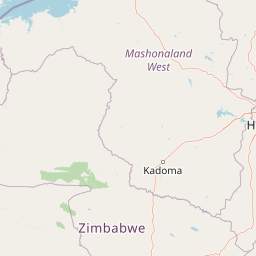
Chizarira is best known for its extraordinary wilderness appeal and dramatic escarpmnt landscapes. The park is celebrated for its excellent leopard populations, which thrive in the rugged, craggy terrain characterized by ragged mountains and deeply incised gorges. Walking safaris represent the primary attraction and visitor experience, allowing travelers to explore the pristine wilderness on foot. The park's remoteness and isolation have preserved its wild character, while the dramatic topography of the Zambezi Escarpment provides stunning views across the valley toward Lake Kariba. The combination of diverse woodland ecosystems, from miombo to mopane, with the steep escarpment environment creates a unique ecological setting that supports substantial wildlife populations.
Chizarira National Park history and protected-area timeline
Chizarira National Park has a long protection history dating back to the colonial era. The area was first declared a non-hunting reserve in 1938, recognizing its wildlife and scenic value even then. In 1963, it was formally designated as a game reserve, providing more comprehensive protection for the wildlife populations inhabiting the escarpment. The final step in its protected area status came in 1975 when it was elevated to national park status under the Parks and Wild Life Act, establishing its current legal framework as a Category II protected area under the IUCN classification system. The park's headquarters were established at Manzituba, serving as the administrative center for park operations. Despite this protected status, the park has faced significant challenges in recent decades, particularly from poaching activities that intensified during Zimbabwe's economic crisis in the early 2000s. The remoteness that makes Chizarira special has also made it difficult to patrol effectively, and the absence of significant tourism infrastructure has limited both visitor numbers and the economic resources available for conservation management.
Chizarira National Park landscape and geographic character
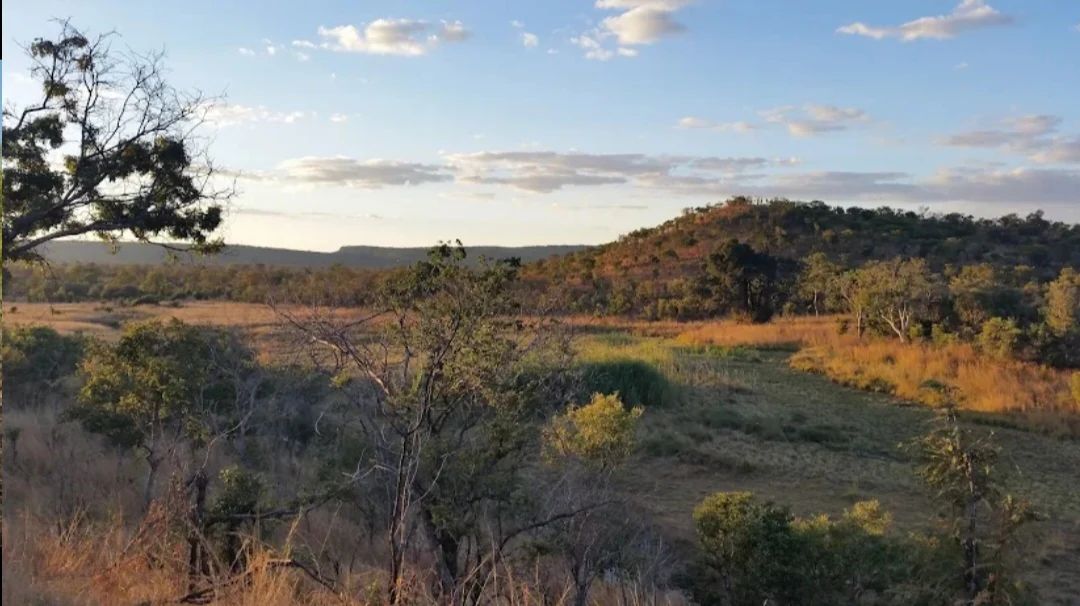
The landscape of Chizarira National Park is defined by its position on the Zambezi Escarpment, a dramatic geological feature that creates one of the most spectacular topographies in Zimbabwe. The escarpment rises abruptly from the Zambezi River valley floor, dropping roughly 600 meters in elevation over a relatively short distance. The terrain is characterized by craggy, rugged mountains and ragged hills that have been intensely incised by rivers cutting deep gorges. The Mcheni River and Lwizikululu River have created nearly vertical-walled gorges that slice through the escarpment, adding to the dramatic scenery. In the valleys between the mountain ridges, there are unique open plains where lush vegetation thrives, supported by natural springs that provide permanent water sources. The park's name, meaning great barrier in the Batonga language, reflects how this orientation of phenomenal mountains and copious hills forms a fabulous portion of the Zambezi Escarpment, creating a natural barrier between the highland plateau and the lowland valley. At the northeastern extremity lies Tundazi, a mountain of local legend associated with the river god Nyaminyami.
Chizarira National Park ecosystems, habitats, and plant life
The ecological character of Chizarira is defined by its position at a transition between two major African woodland ecosystems. The northern portion of the park falls within the Southern miombo woodlands ecoregion, characterized by miombo trees of the Brachystegia and Julbernardia genera that create a seasonally variable canopy. The southern part of the park is situated within the Zambezian and mopane woodlands ecoregion, featuring mopane Colophospermum mopane woodland that dominates the lower elevations and valley floors. This ecological transition creates a diversity of habitats within a single protected area, supporting different species assemblages across the elevation gradient. The escarpment environment creates additional habitat complexity, with rocky outcrops, steep slopes, and cliff faces providing specialized microhabitats. The floodplains along the Bbus River support distinctive Faidherbia albida woodlands, where the winter thorn trees create an open canopy that allows grass to grow beneath them during the dry season, providing important dry-season browse for herbivores.
Chizarira National Park wildlife and species highlights
Chizarira National Park supports a diverse array of wildlife, including populations of four of the iconic Big Five African mammals. African elephants move through the park in significant numbers, while lion prides maintain territories in the woodland and escarpment zones. Cape buffalo herds are found throughout the park, particularly in the vicinity of water sources and floodplains. The park is particularly noted for its excellent leopard populations, which thrive in the rugged, rocky terrain of the escarpment where they can find suitable den sites and abundant prey. Among smaller mammals, the klipspringer is notably present, a small antelope specially adapted to navigate near-vertical rocky outcrops with remarkable agility. The birdlife in Chizarira is exceptionally diverse, with hundreds of species recorded. Notable avian species include the African broadbill, Livingstone's flycatcher, western nicator, African emerald cuckoo, and the rare and elusive African pitta. The park also provides habitat for the Taita falcon, a species that breeds within the park's rocky cliff environments.
Chizarira National Park conservation status and protection priorities
Chizarira National Park holds significant conservation value as one of Zimbabwe's largest and most remote protected wilderness areas. Its Category II designation under the IUCN protected area classification system reflects its primary purpose of protecting natural ecosystems and biodiversity. The park's isolation, while creating management challenges, has also helped preserve relatively intact ecological processes and wildlife populations. The transition zone between miombo and mopane woodlands adds to the park's conservation significance by protecting a diverse range of habitats and the species that depend on them. However, the park faces ongoing conservation challenges, particularly from poaching pressures that have intensified during periods of economic instability. The limited tourism development and absence of significant safari operator presence has meant that the park lacks the tourism revenue that could support improved protection and management. The headquarters at Manzituba serves as the base for conservation activities, though resources are constrained by the park's remote location and limited income generation.
Chizarira National Park cultural meaning and human context
The cultural context of Chizarira National Park is deeply connected to the Batonga people, whose language has provided the park with its distinctive name. The word chijalila, from which Chizarira is derived, translates to great barrier, a name that reflects both the physical presence of the escarpment and its significance as a landmark in the landscape. Local legend associates the northeastern extremity of the park, particularly Tundazi mountain, with the river god Nyaminyami, a powerful serpent figure in Tonga folklore. This cultural connection to the landscape predates the formal protected area designation and reflects the long human relationship with this dramatic terrain. The floodplains along the Busi River and other valley areas have historically supported local communities and traditional land use patterns, though the park's remote location has limited human settlement within its boundaries.
Top sights and standout views in Chizarira National Park
Chizarira National Park offers exceptional wilderness experiences that set it apart from more developed safari destinations. The dramatic Zambezi Escarpment provides spectacular viewpoints overlooking the Zambezi Valley toward Lake Kariba. Walking safaris allow visitors to explore the park's rugged terrain on foot, providing an intimate connection with the landscape and wildlife. The excellent leopard viewing opportunities in the craggy mountain terrain represent a major draw for wildlife enthusiasts. The park's ecological diversity, transitioning from miombo woodlands in the north to mopane woodlands in the south, supports a wide variety of wildlife within a single protected area. The deep river gorges, mountain peaks, and spring-fed valleys create a visually varied landscape that rewards exploration. The park's remoteness ensures a truly wilderness experience, far from crowds and the more developed tourism infrastructure found in other Zimbabwean parks.
Best time to visit Chizarira National Park
The optimal time to visit Chizarira National Park aligns with Zimbabwe's dry season, typically from April to October, when wildlife viewing is most rewarding and the landscape remains accessible. During this period, vegetation thins and animals concentrate around remaining water sources, making wildlife easier to observe. The cooler months from May to August offer comfortable temperatures for walking safaris, which are the park's primary attraction. The scenery during the dry season maintains its dramatic character, with the escarpment and gorges providing striking views regardless of the season. The wet season from November to March brings lusher vegetation and, while making some areas more difficult to access, also results in birdlife becoming more active and colorful. The park can be visited year-round, though the dry season generally provides more predictable wildlife encounters and easier navigation through the rugged terrain.