Why Greater Mapungubwe Transfrontier Conservation Area stands out
The Greater Mapungubwe Transfrontier Conservation Area is especially known for its unique position as a tri-national conservation initiative protecting the wildlife-rich savanna ecosystems at the confluence of two major African rivers. The area is renowned for its exceptional cultural significance, centering on the Mapungubwe Cultural Landscape, a UNESCO World Heritage Site that reveals the archaeological remains of an ancient African kingdom that once thrived in the region. The transfrontier park is further distinguished by its role in protecting viable populations of apex predators including lion, leopard, cheetah, and African wild dog, alongside significant elephant populations in a landscape characterized by dramatic contrasts between floodplains, rocky outcrops, and rolling savanna. The combination of outstanding natural and cultural heritage within a single transboundary protected area makes this landscape particularly notable in the context of African conservation.
Greater Mapungubwe Transfrontier Conservation Area history and protected-area timeline
The establishment of the Greater Mapungubwe Transfrontier Conservation Area represents decades of conservation diplomacy and collaborative planning between South Africa, Botswana, and Zimbabwe. The formal process accelerated with the assistance of major conservation organizations including the Peace Parks Foundation, De Beers, the National Parks Trust, and WWF-SA, who helped SANParks consolidate the core area of South Africa's contribution to the proposed transfrontier conservation area. A pivotal moment came in July 2003 when the Mapungubwe Cultural Landscape was proclaimed a UNESCO World Heritage Site, providing international recognition and impetus for the broader conservation initiative. Mapungubwe National Park was officially opened on September 24, 2004, establishing the central protected area around which the transfrontier concept would develop. A memorandum of understanding regarding the transfrontier conservation area's establishment was signed on June 22, 2006, and an international coordinator was appointed to facilitate cross-border collaboration. On June 19, 2009, the Limpopo-Shashe Transfrontier Conservation Area was officially renamed the Greater Mapungubwe Transfrontier Conservation Area. Significant archaeological discoveries in 2012 on the farm Klein Bolayi, east of Mapungubwe National Park, confirmed that the Mapungubwe Cultural Landscape extends further downstream along the Limpopo Valley, corroborating evidence of human habitation in the area for more than 1,500 years.
Greater Mapungubwe Transfrontier Conservation Area landscape and geographic character
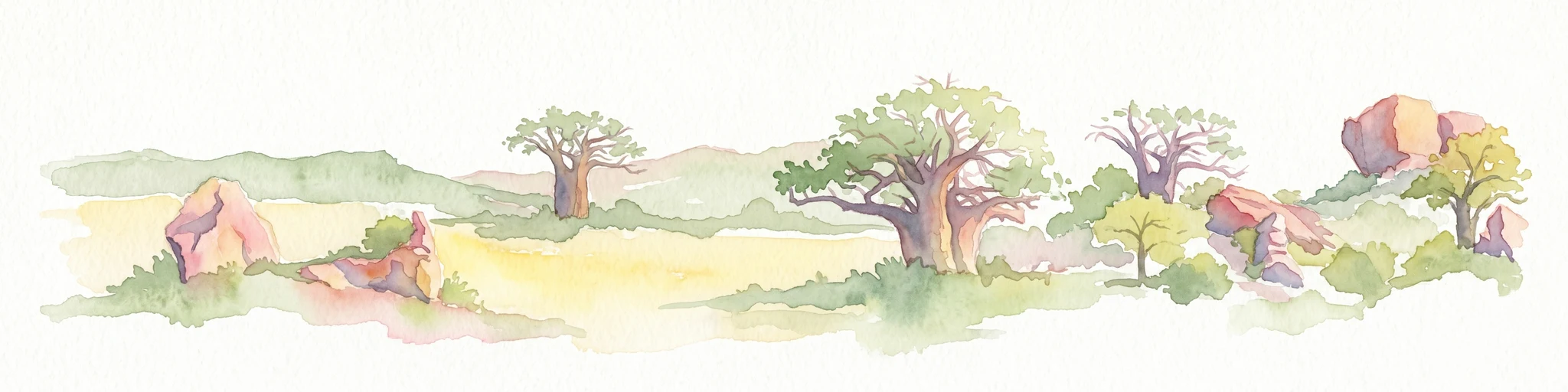
The Greater Mapungubwe Transfrontier Conservation Area encompasses a diverse range of terrain typical of the southern African savanna biome. The landscape is characterized by the dramatic confluence of the Shashe and Limpopo Rivers, where floodplains give way to undulating hills and rocky outcrops that punctuate the otherwise open savanna. The terrain within the South African portion features the characteristic landscapes of Mapungubwe National Park, with its sweeping views across the Limpopo Valley and distinctive sandstone formations. The Botswana component, centered on the Northern Tuli Game Reserve, consists of varied freehold properties supporting a mix of savanna, woodland, and riverine habitats along the Limpopo corridor. Zimbabwe's contribution includes the Tuli Circle area with its own distinctive combination of floodplain and upland environments. The overall landscape creates dramatic contrasts between riverine ecosystems, open grasslands, and rocky outcrops that define the visual character of this transfrontier region, making it one of the more visually striking protected areas in southern Africa.
Greater Mapungubwe Transfrontier Conservation Area ecosystems, habitats, and plant life
The ecological systems within the Greater Mapungubwe Transfrontier Conservation Area reflect the transitional nature of this border region between the Kalahari and the more mesic systems of eastern southern Africa. The savanna ecosystem supports a remarkable diversity of habitats ranging from riparian woodlands along the Limpopo and Shashe Rivers to open grasslands and acacia savanna on the surrounding plains. The transfrontier area's position across three countries enables ecological processes to function at a landscape scale that would be impossible within national boundaries, particularly for wide-ranging species that require large territories. The conservation area provides crucial connectivity between protected areas in each country, allowing for seasonal movements of elephant, predator populations, and other migratory species. The river systems create important ecological corridors and support distinctive riparian communities that contrast sharply with the drier savanna surrounding them. This combination of habitat diversity and landscape connectivity makes the GMTFCA ecologically significant at a regional scale.
Greater Mapungubwe Transfrontier Conservation Area wildlife and species highlights
The Greater Mapungubwe Transfrontier Conservation Area supports impressive populations of large mammals and represents an important stronghold for several threatened species in southern Africa. The area holds significant populations of bush elephant, with the open savanna and river corridors providing ideal habitat for these megaherbivores. Apex predators are well represented, with viable populations of lion, African leopard, Southeast African cheetah, and African wild dog all present within the transfrontier area. The African wild dog, in particular, benefits from the large contiguous landscape that allows for the pack movements and territory establishment that this species requires. Beyond the charismatic megafauna, the area supports approximately 19 mammal species, 26 plant species, and numerous bird species that are listed in red data books, indicating their conservation significance. The combination of diverse habitat types within a protected transfrontier landscape creates conditions that support both wide-ranging species and more specialized fauna, making the GMTFCA significant for mammalian conservation in the region.
Greater Mapungubwe Transfrontier Conservation Area conservation status and protection priorities
The Greater Mapungubwe Transfrontier Conservation Area represents a significant advance in regional conservation strategy by creating a transboundary protected area that enables ecosystem management at an appropriate ecological scale. The establishment of the GMTFCA contributes substantially to the protection of species found within the area by providing extended range, coordinated protection measures, and combined efforts across international boundaries. The conservation area addresses one of the fundamental challenges in African wildlife conservation, namely the fragmentation of protected areas by national borders that disrupts ecological processes and limits the effectiveness of conservation in isolation. The dramatic landscapes and contrasts within the GMTFCA, combined with its cultural heritage sites, create a conservation area with exceptional potential for attracting both local and international interest. The added range, protection, and combined efforts offered through the GMTFCA are strongly contributing to the long-term survival of species within the area, particularly for wide-ranging predators and elephants that require large contiguous habitats to maintain viable populations.
Greater Mapungubwe Transfrontier Conservation Area cultural meaning and human context
The Greater Mapungubwe Transfrontier Conservation Area derives its name from the Mapungubwe Cultural Landscape, a UNESCO World Heritage Site that represents one of southern Africa's most significant archaeological and cultural heritage areas. The Mapungubwe Cultural Landscape reveals the archaeological remains of an ancient African kingdom that flourished between the 10th and 13th centuries, trading gold and other commodities across Indian Ocean networks and displaying sophisticated social organization. The 2012 archaeological discoveries on the farm Klein Bolayi, east of Mapungubwe National Park, confirmed that the cultural landscape extends further downstream along the Limpopo Valley, corroborating evidence of human habitation spanning more than 1,500 years. This cultural dimension distinguishes the transfrontier conservation area from purely natural protected areas, creating a unique combination of outstanding universal value in both natural and cultural terms. The preservation of this cultural heritage within the transfrontier framework demonstrates how conservation initiatives can serve to protect not only ecological values but also the tangible connections between human communities and their ancestral landscapes.
Top sights and standout views in Greater Mapungubwe Transfrontier Conservation Area
The Greater Mapungubwe Transfrontier Conservation Area offers several outstanding features that distinguish it within the network of African protected areas. The transfrontier initiative represents one of the first multi-national conservation areas in southern Africa, creating wildlife corridors that span three countries and enable ecological processes at a landscape scale. The Mapungubwe Cultural Landscape, a UNESCO World Heritage Site, provides exceptional cultural heritage value with archaeological evidence of an ancient African kingdom. The confluence of the Limpopo and Shashe Rivers creates a visually dramatic landscape with diverse habitats supporting significant populations of elephant, lion, leopard, cheetah, and African wild dog. The combination of outstanding natural and cultural heritage within a single transboundary protected area makes this landscape particularly significant for conservation and heritage tourism alike.
Best time to visit Greater Mapungubwe Transfrontier Conservation Area
The Greater Mapungubwe Transfrontier Conservation Area can be visited throughout the year, though the optimal time for wildlife viewing typically coincides with the dry winter months from May to September when vegetation is less dense and wildlife concentrates around water sources. The summer months from October to April bring green vegetation and newborn wildlife, but some areas may become more difficult to traverse and wildlife viewing can be less productive. The Mapungubwe Cultural Landscape and archaeological sites can be explored year-round, though the cooler winter months offer more comfortable conditions for walking tours and outdoor exploration. Visitors interested in combining wildlife viewing with cultural heritage exploration will find the transfrontier area rewarding in any season, though advance planning is recommended given the cross-border logistics involved in accessing different portions of the conservation area.