
Why Mapungubwe National Park stands out
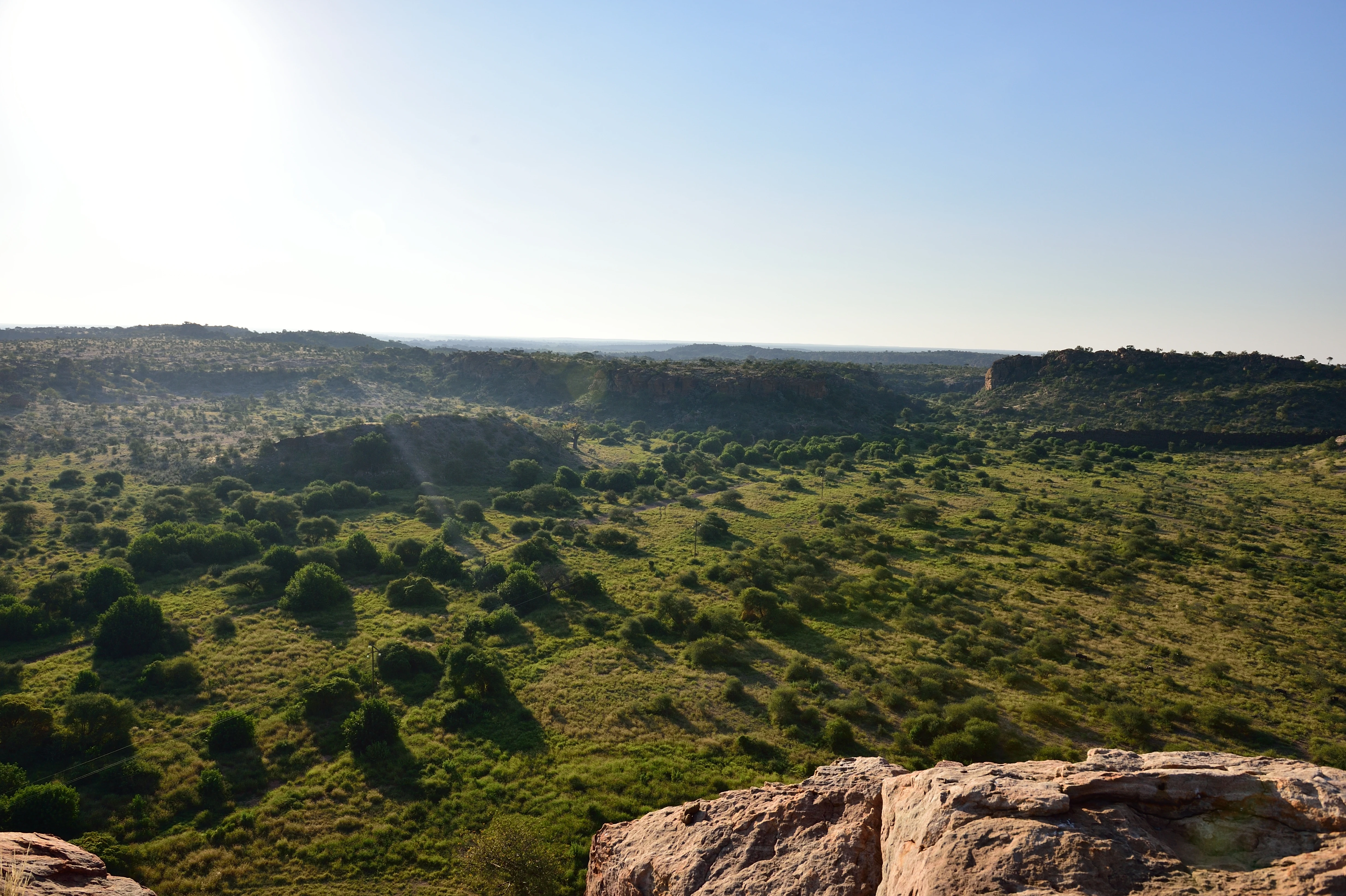
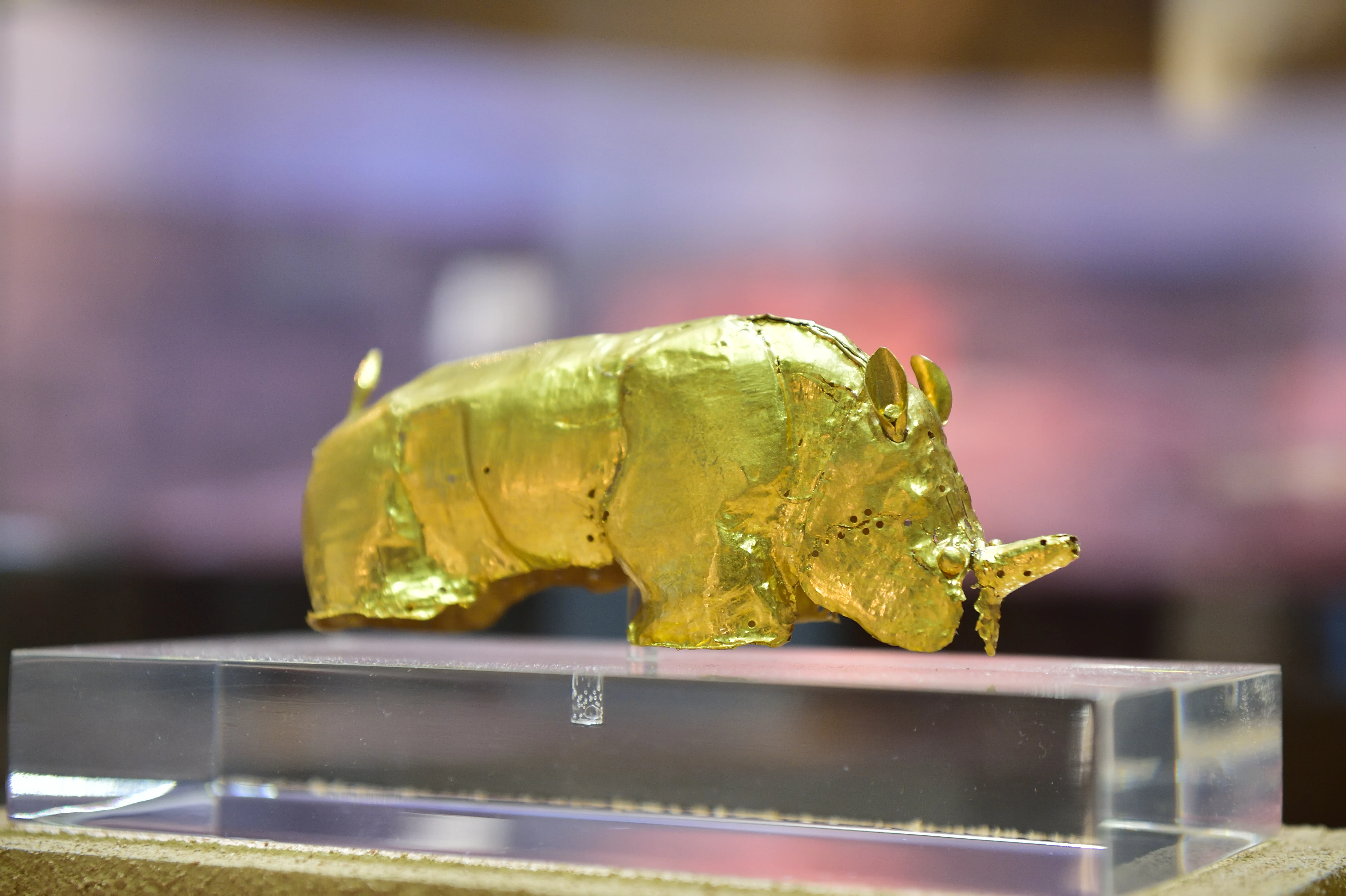
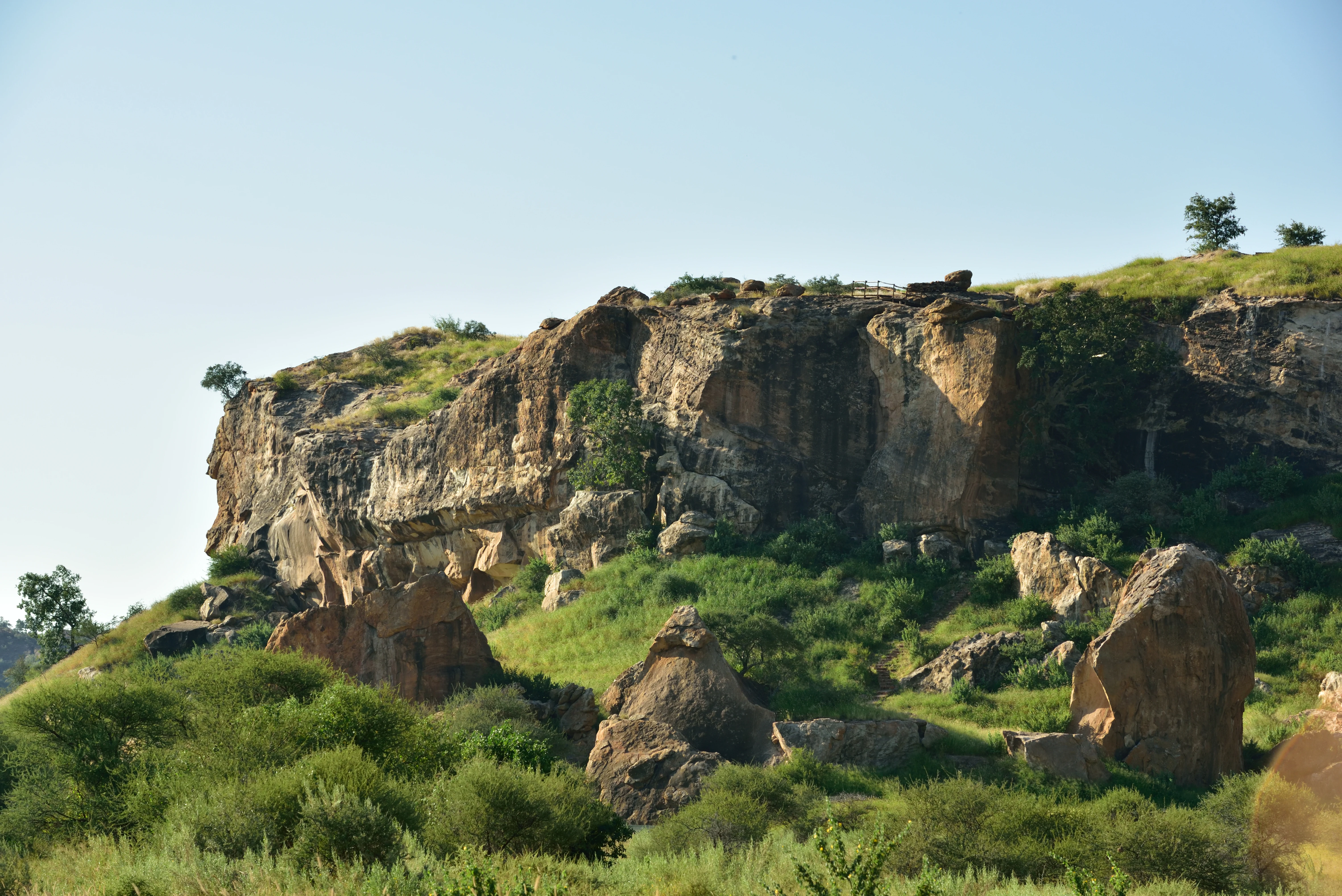
Mapungubwe is best known for its unique dual identity as both a world-renowned archaeological site and a thriving wilderness area. The discovery of the Golden Rhinoceros of Mapungubwe and extensive gold artefacts on Mapungubwe Hill revealed a sophisticated Iron Age civilization that traded gold and ivory across southern Africa between the 13th and 14th centuries. The park's UNESCO World Heritage status recognizes this extraordinary cultural landscape alongside its natural values. The landscape is characterized by dramatic baobab-studded savanna, the lush riparian fringe of the Limpopo River with its fever tree forest, and panoramic views from Mapungubwe Hill overlooking the confluence of three countries. The park also supports significant populations of the endangered African wild dog and serves as a Lion Conservation Unit.
Mapungubwe National Park history and protected-area timeline
The history of Mapungubwe spans geological timeframes extending back 210 million years when dinosaurs including Plateosauravus inhabited the region, through millennia of human occupation to its modern establishment as a protected area. The contemporary conservation story began in the 1920s when botanist Illtyd Buller Pole-Evans initiated agricultural research in the area, leading to the creation of the Botanical Survey Advisory Committee. At the request of Prime Minister Jan Smuts, the government set aside nine farms as the Dongola Botanical Reserve in 1918, later expanded under Pole-Evans to include 27 farms by the early 1940s, encompassing Greefswald where Mapungubwe Hill is located. In 1944, Minister of Lands Andrew Conroy proposed the Dongola Wildlife Sanctuary covering 124 farms, sparking what became known as the "Battle of Dongola," one of the longest parliamentary debates in South African history. Opponents argued against alienating agricultural land while supporters emphasized conservation needs and archaeological preservation. The reduced sanctuary was declared but abolished in 1949 after the National Party won power. In 1967, the Vhembe Nature Reserve was established on three farms. The modern park emerged after De Beers, which had established the Venetia Limpopo Nature Reserve adjacent to Greefswald, called for national park status in 1993. The Vhembe-Dongola National Park was proclaimed in 1998 and renamed Mapungubwe National Park in 2004, opening on Heritage Day to mark its cultural significance.
Mapungubwe National Park landscape and geographic character
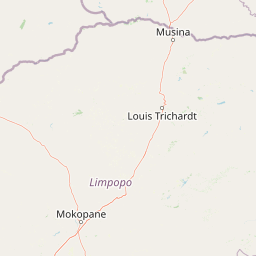
The physical landscape of Mapungubwe National Park is defined by its position along the Limpopo River floodplain and the surrounding savanna plains dominated by mopane woodland. The most striking feature of the park is the riparian forest along the Limpopo, a dense vegetation community with a closed canopy that thrives in the rich alluvial deposits, featuring fever trees, ana trees, leadwoods, fig trees, and various acacia species. This riverine corridor supports trees of exceptional size, including massive nyala berry and ana trees. The park contains several very large baobab trees, with one specimen measuring 31 meters in circumference. Beyond the river, the landscape transitions to typical mopane woodland, a short fairly dense growth of shrubby mopane trees associated with other trees, shrubs, and tufted grasses. Rocky outcrops and hills, including the significant Mapungubwe Hill itself, punctuate the terrain. The park sits at relatively low elevation in the far north of South Africa, forming a natural gateway where three countries meet at the confluence of rivers and ecological zones.
Mapungubwe National Park ecosystems, habitats, and plant life
The ecological diversity of Mapungubwe results from the variety of habitat types present within the park boundaries and its position at the transition between southern and central African biomes. The vegetation includes at least 24 Acacia species and 8 Commiphora species, with mopane woodland forming the dominant plant community across the savanna plains. The riparian fringe along the Limpopo River represents the most significant conservation area, preserving dense forest that has been largely cleared for cultivation elsewhere along the river. This riverine ecosystem supports species typical of watercourses in the region, while the surrounding woodlands host distinct communities of thorny acacias and drought-resistant species. The park's position at the confluence of three countries facilitates the movement of migratory species across the broader transfrontier conservation area, though the integrity of these ecological connections faces challenges from surrounding development pressures.
Mapungubwe National Park wildlife and species highlights
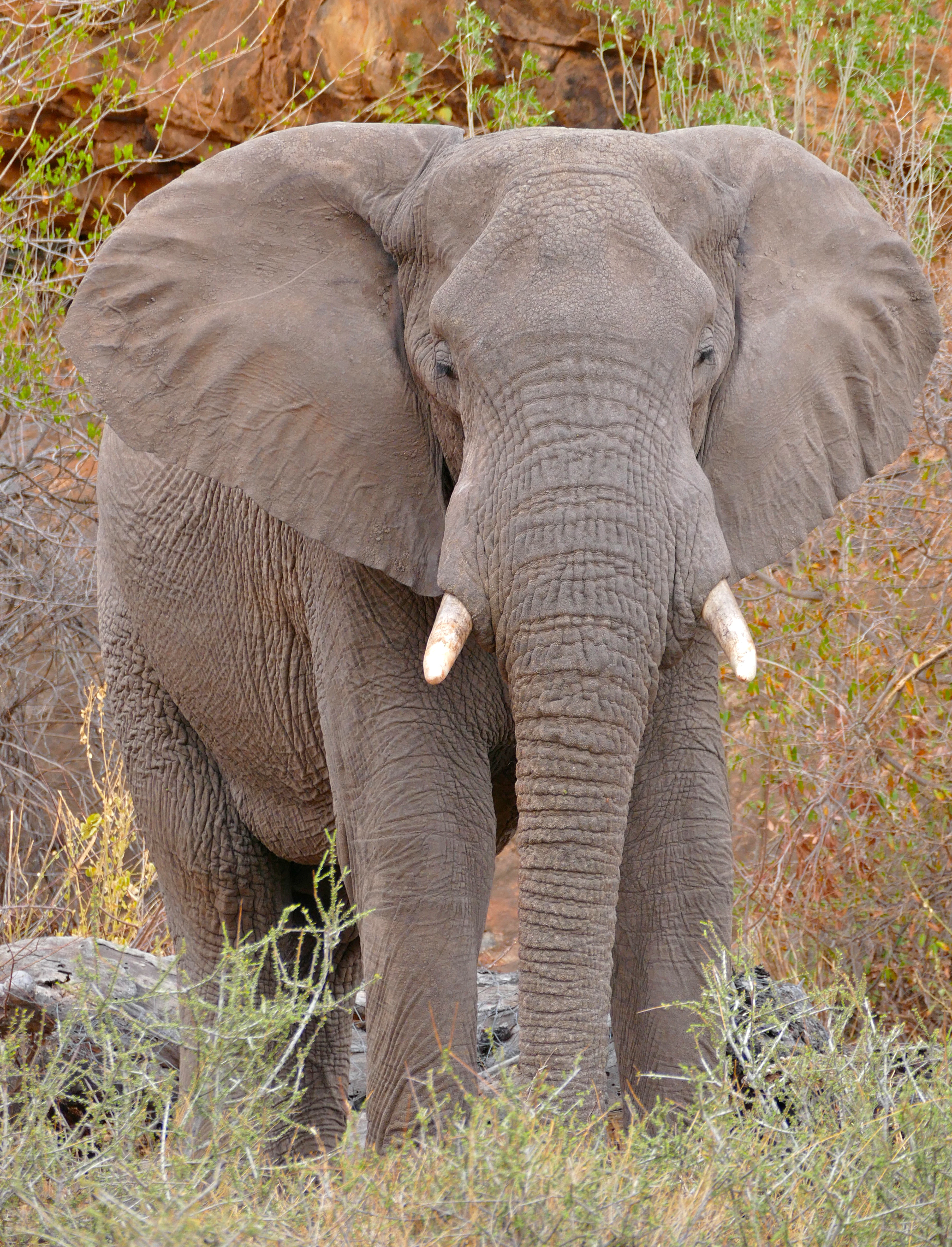
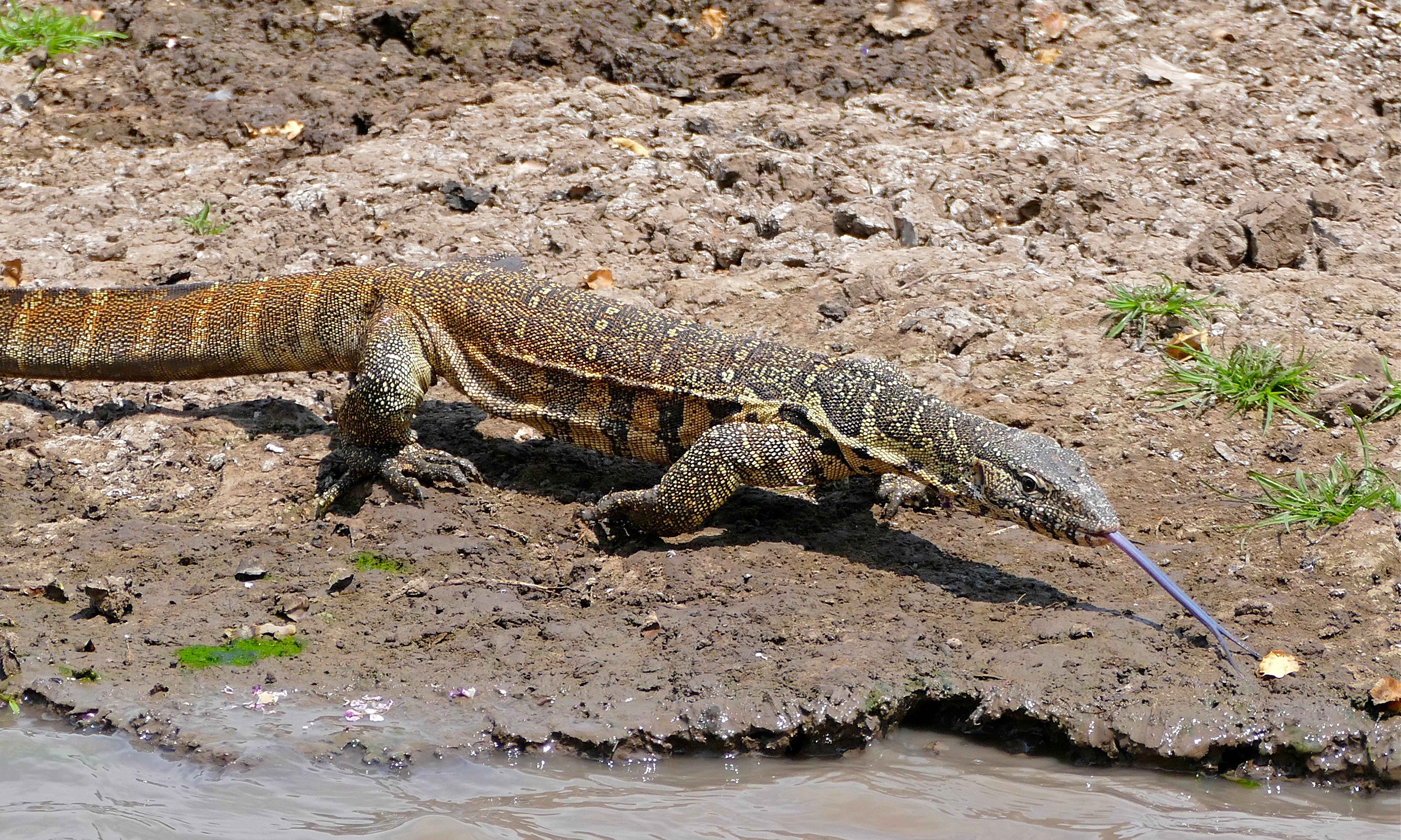
Mapungubwe National Park supports remarkable wildlife diversity across multiple animal groups, with 387 bird species recorded within its boundaries. The bird community includes notable species such as Verreaux's eagle, Pel's fishing owl, grey crowned crane, ground hornbill, and Kori bustard, with the Limpopo floodplain particularly important for storks, herons, waders, and waterfowl. Mammalian species are abundant and include flagship species such as African bush elephant, southern white rhinoceros, and significant populations of large predators. Mapungubwe is recognized as a Lion Conservation Unit and also supports African leopard, South African cheetah, African wild dog, spotted hyena, and brown hyena. The park contains diverse antelope species including common eland, blue wildebeest, kudu, Burchell's zebra, waterbuck, impala, klipspringer, duiker, steenbok, red hartebeest, and oryx. Smaller mammals include aardvark, African civet, caracal, and at least 17 bat species. Reptile diversity includes Nile crocodile along the river, monitor lizards, pythons, cobras, black mambas, and an estimated 32 snake species.
Mapungubwe National Park conservation status and protection priorities
Mapungubwe's conservation significance is recognized internationally through its UNESCO World Heritage inscription and its role within the Greater Mapungubwe Transfrontier Conservation Area, which coordinates protection efforts across South Africa, Botswana, and Zimbabwe. The park's UNESCO status acknowledges both the cultural landscape of Mapungubwe Hill and the outstanding natural values of the region. The park serves as a critical Lion Conservation Unit, linking with South Luangwa National Park in Zambia to support viable populations of this apex predator. However, the park faces significant conservation threats from planned mining activities in the surrounding area. An open-cast coal mine and power plant are proposed for the buffer zone adjacent to the park, which would impact both the natural and cultural values that justified World Heritage status. The water requirements for mining operations pose additional threats to the Limpopo River ecosystem upon which much of the park's biodiversity depends.
Mapungubwe National Park cultural meaning and human context
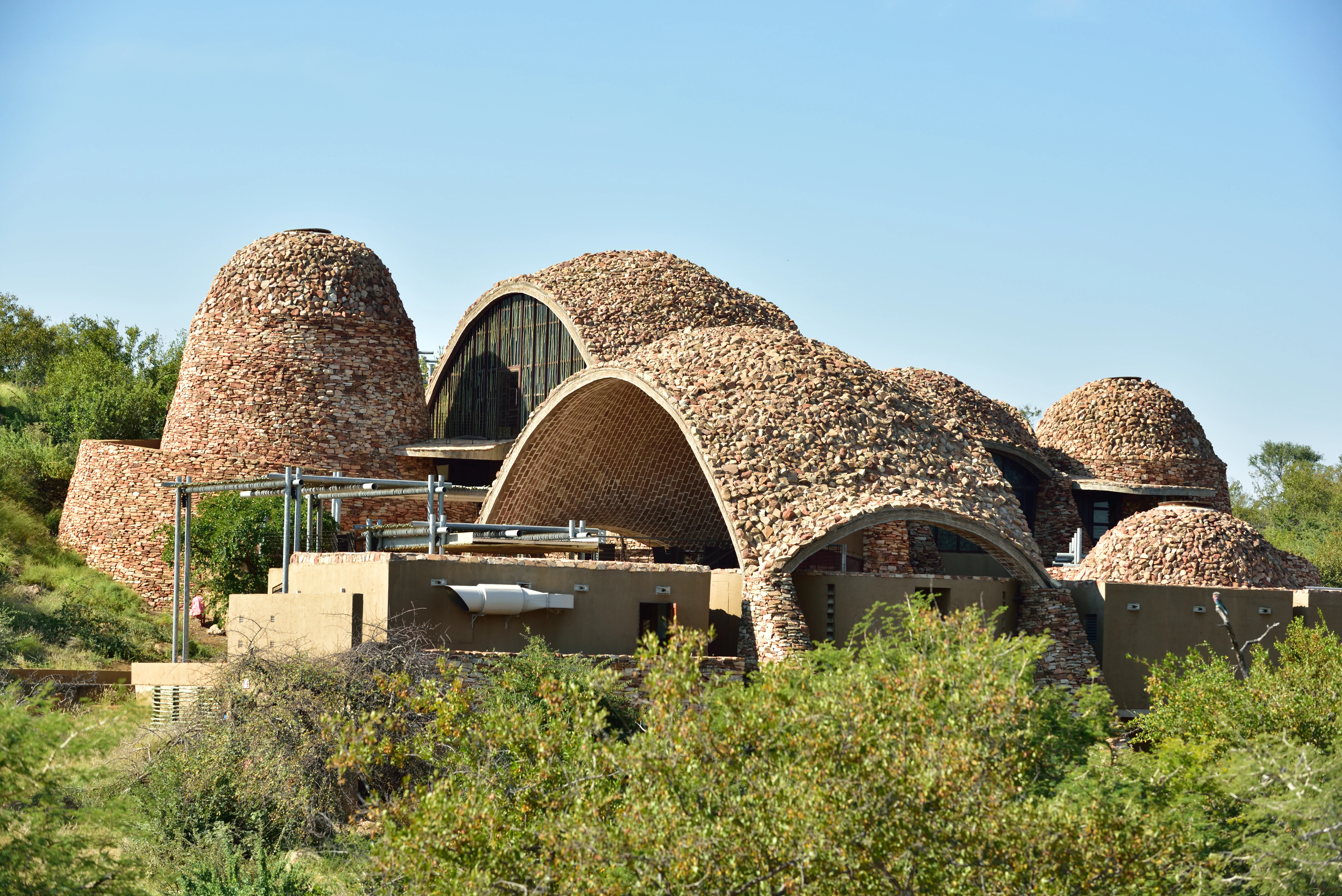
The cultural significance of Mapungubwe centers on the Iron Age kingdom that flourished on the hill between approximately 1250 and 1350 CE. The Kingdom of Mapungubwe was a sophisticated trading civilization that controlled commerce in gold, ivory, and other commodities across southern Africa, with connections extending to Indian Ocean trade routes. The archaeological excavations on Mapungubwe Hill revealed not only the Golden Rhinoceros but also gold beads, jewellery, ceramics, and other artefacts that demonstrate the artistic and metallurgical capabilities of this civilization. The site represents one of the most important archaeological discoveries in southern Africa and provides insight into the complexity of pre-colonial African societies. The park's opening on Heritage Day, a national holiday in South Africa, reflects the importance placed on this cultural legacy. The Museum and Interpretative Centre, which won World Building of the Year in 2009, provides modern interpretation of this ancient heritage.
Top sights and standout views in Mapungubwe National Park
The Mapungubwe experience combines archaeological exploration with wilderness immersion at a unique geographical crossroads. Mapungubwe Hill offers panoramic views across the three-country confluence and provides access to the archaeological site where the Golden Rhinoceros was discovered. The Museum and Interpretative Centre showcases artefacts from the Iron Age kingdom and explains both the archaeological and ecological significance of the landscape. The riparian forest along the Limpopo River features iconic fever trees and massive baobabs, with elevated boardwalks allowing visitors to walk through the canopy. Wildlife viewing opportunities include encounters with elephants, rhinos, and predators including lions, leopards, and African wild dogs, while the bird list of nearly 400 species attracts ornithologists. The park's position at the meeting point of three nations makes it a distinctive destination for understanding both natural and cultural heritage.
Best time to visit Mapungubwe National Park
The optimal time to visit Mapungubwe depends on what visitors hope to experience, with the dry winter months from May to September offering the best wildlife viewing as animals concentrate around water sources and vegetation is less dense. The cooler temperatures during this period make outdoor activities more comfortable, though nights can be cold. The summer months from October to April bring higher temperatures and the possibility of rain, which transforms the landscape with new growth and creates greener scenery. Birdwatching is excellent year-round but particularly rewarding in the wet season when migratory species are present. The park can be visited throughout the year, though summer temperatures in this northern region can be extreme and visitors should plan accordingly. The Museum and Interpretative Centre provides welcome respite from the heat and offers comprehensive context for understanding both the archaeological significance and natural values of the park.