Why Hlane Royal National Park stands out
Hlane is particularly renowned for its exceptional birdlife, hosting the highest density of nesting white-backed vultures in Africa. The park also supports the southernmost nesting site of the marabou stork, making it a significant location for ornithological study and birdwatching. The presence of large populations of elephant, lion, white rhinoceros, and giraffe in a single accessible location makes it a prime wildlife viewing destination in southern Africa. The park's network of game-viewing roads and hides, particularly at Hippo Pool, offers visitors excellent opportunities to observe wildlife in their natural habitat.
Hlane Royal National Park history and protected-area timeline
The history of Hlane Royal National Park is deeply intertwined with Eswatini's royal heritage. Originally serving as a private royal hunting ground under King Sobhuza II, the land was named 'Hlane,' meaning wilderness in SiSwati, reflecting its untamed character and vast natural landscapes. Following King Sobhuza II's reign, the property was passed to his successor, King Mswati III, who holds the land in trust for the nation. The transition from a private royal reserve to a public national park marked a significant democratization of access to Eswatini's natural heritage. The park was formally designated as a protected area and opened to the public under management by Big Game Parks. In the 1960s, the MR3 Highway was constructed through the park, a decision that has had lasting ecological consequences as wildlife-vehicle collisions remain an ongoing challenge.
Hlane Royal National Park landscape and geographic character
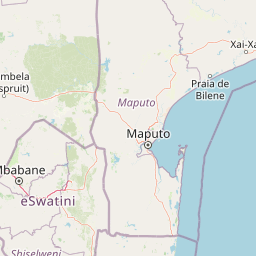
The physical landscape of Hlane Royal National Park consists of flat, low-lying terrain characteristic of the Swazi bushveld region. The terrain is largely savanna woodland, with ancient hardwood trees forming a scattered canopy over the grasslands. Prominent tree species include knobthorn (Senegalia nigrescens), leadwood (Combretum imberbe), and tambuti, all of which are well-adapted to the region's climate and provide critical ecological functions. The park contains numerous shallow pans, which are depressions that collect water during the rainy season and become important wateringholes during the drier months. These pans, combined with the deciduous nature of much of the vegetation, create a landscape that shifts dramatically between wet and dry seasons, with the dry winter months exposing the underlying red soils and creating more open viewing conditions for wildlife observation.
Hlane Royal National Park ecosystems, habitats, and plant life
The ecological character of Hlane is defined by its bushveld ecosystem, which supports a remarkable diversity of habitats within a relatively flat landscape. The ancient woodland areas provide nesting sites for numerous bird species, while the grasslands and pans offer feeding grounds for both browsers and grazers. The park's position in the lowland regions of Eswatini places it in a transitional zone between more mesic highlands and the drier savannas to the west, creating conditions that support a mix of species from different ecological communities. The seasonal flooding of pans creates ephemeral wetland habitats that attract waterfowl and provide breeding grounds for various species, while the permanent waterholes ensure year-round habitat availability for larger mammals.
Hlane Royal National Park wildlife and species highlights
Hlane supports impressive populations of large mammals, including lion, African bush elephant, South African giraffe, and southern white rhinoceros. Herds of wildebeest, zebra, and impala are particularly prominent and congregate around waterholes during the dry winter months from June to September, providing spectacular viewing opportunities. After a long absence from the region, cheetah populations have been successfully reintroduced to the park, adding to the predator diversity that already includes lion. The park's avifauna is exceptional, with the highest density of nesting white-backed vultures recorded anywhere in Africa. Raptors including martial eagles, bateleurs, and long-crested eagles soar above the savanna, while vulture species including white-backed, white-headed, lappet-faced, and occasional Cape vultures gather at carcasses. The southernmost nesting site of the marabou stork is found within the park, and some bird species here are either endangered or locally extinct elsewhere in Eswatini, including the southern yellow-billed hornbill.
Hlane Royal National Park conservation status and protection priorities
As Eswatini's largest protected area, Hlane Royal National Park plays a critical role in regional conservation efforts. The park's IUCN Category VI designation reflects its management approach that balances resource utilization with habitat protection, allowing for sustainable tourism that supports both conservation and local communities. The protection of significant populations of endangered species including white rhinoceros and the reintroduction of cheetah demonstrate active conservation management. The birdlife significance, particularly the highest density of white-backed vulture nests in Africa and the southernmost marabou stork nesting site, establishes the park as a critical location for raptor and vulture conservation in southern Africa. However, the bisection of the park by the MR3 Highway presents ongoing conservation challenges, with hundreds of antelopes, warthog, buffalo, and other wildlife killed annually in vehicle collisions.
Hlane Royal National Park cultural meaning and human context
Hlane Royal National Park represents a unique model of protected area management that honors Eswatini's royal heritage while making natural treasures accessible to the nation. The park's origin as a royal hunting ground reflects the historical relationship between the Swazi monarchy and the land, a connection that continues today as the property remains held in trust for the nation by King Mswati III. The name 'Hlane' itself, meaning wilderness in SiSwati, reflects the cultural significance of untamed natural spaces in Swazi identity. This approach to conservation, where royal lands are transformed into protected areas for public benefit, provides a model for balancing traditional authority with modern conservation goals.
Top sights and standout views in Hlane Royal National Park
The exceptional wildlife viewing opportunities at Hlane make it a premier safari destination, with lion, elephant, giraffe, white rhinoceros, and recently reintroduced cheetah all present within the park. The birdlife is outstanding, particularly the dense populations of white-backed vultures and the southernmost marabou stork nesting colony. The network of game-viewing roads, including routes to Hippo Pool where hides overlook congregations of hippos and crocodiles, provides visitors with immersive wildlife encounters. The park offers accommodation at two distinct camps, Ndlovu Camp near the main entrance and Bhubesi Camp in the northern area, allowing visitors to experience different parts of this vast wilderness.
Best time to visit Hlane Royal National Park
The optimal time to visit Hlane Royal National Park is during the dry winter months from June to September, when wildlife congregates around the remaining waterholes and vegetation is less dense, making animal spotting easier. The dry season brings clear skies and comfortable temperatures, with landscapes that are more open and easier to navigate. However, the wet season from October to May transforms the park with lush green vegetation and filled pans, creating beautiful scenery and excellent birdwatching as migratory species arrive. The park remains accessible year-round, though visitors should be aware that the road between the two main camps requires high-clearance vehicles.