Why Gorongosa National Park stands out
Gorongosa is best known for its dramatic ecological restoration story and its remarkable ecosystem diversity within a single protected area. The park harbors one of Africa's most significant wildlife comebacks, with species populations having been reduced by over 95 percent during civil war and now showing strong recovery. Its combination of valley floodplains, savanna woodlands, miombo forests, and montane rainforests on Mount Gorongosa creates an unusual concentration of habitats. The park is also notable for its leopard and African wild dog reintroduction programs and its role in regional flood moderation.
Gorongosa National Park history and protected-area timeline
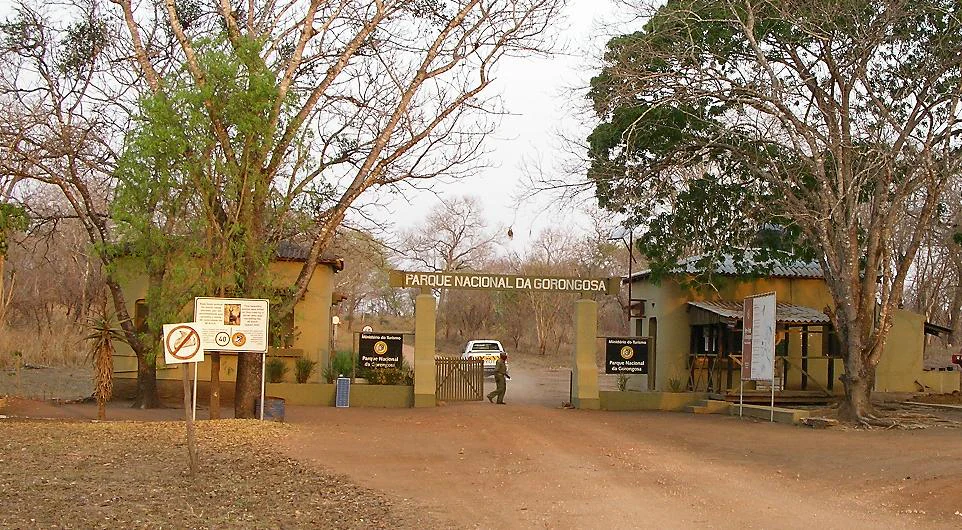
Gorongosa's formal protection began in 1920 when the Mozambique Company established a 1,000 square kilometer hunting reserve for administrators and their guests. The reserve expanded to 3,200 square kilometers in 1935 specifically to protect habitat for nyala and black rhino, both highly prized hunting trophies. By 1940, a headquarters and tourist camp had been established on the floodplain, though it was abandoned two years later due to flooding. Lions subsequently occupied the abandoned building, known as Casa dos Leões, which became a lasting tourist attraction. The area achieved national park status in 1960, and the late 1960s brought significant development including expanded visitor facilities and the first comprehensive scientific studies. An aerial survey conducted during this period documented impressive wildlife populations, including approximately 200 lions, 2,200 elephants, 14,000 buffalo, and 5,500 wildebeest. However, the Mozambican Civil War from 1977 to 1992 devastated the park. Fighting, bombing, and systematic poaching reduced large mammal populations by more than 95 percent, with elephants decimated for ivory and other species slaughtered for food. Some populations, including buffalo and sable antelope, disappeared entirely from aerial surveys for years afterward. Post-war restoration began in earnest in 2004 when the Mozambican Government partnered with the Carr Foundation, initiating infrastructure rebuilding, wildlife reintroductions, and community development programs.
Gorongosa National Park landscape and geographic character
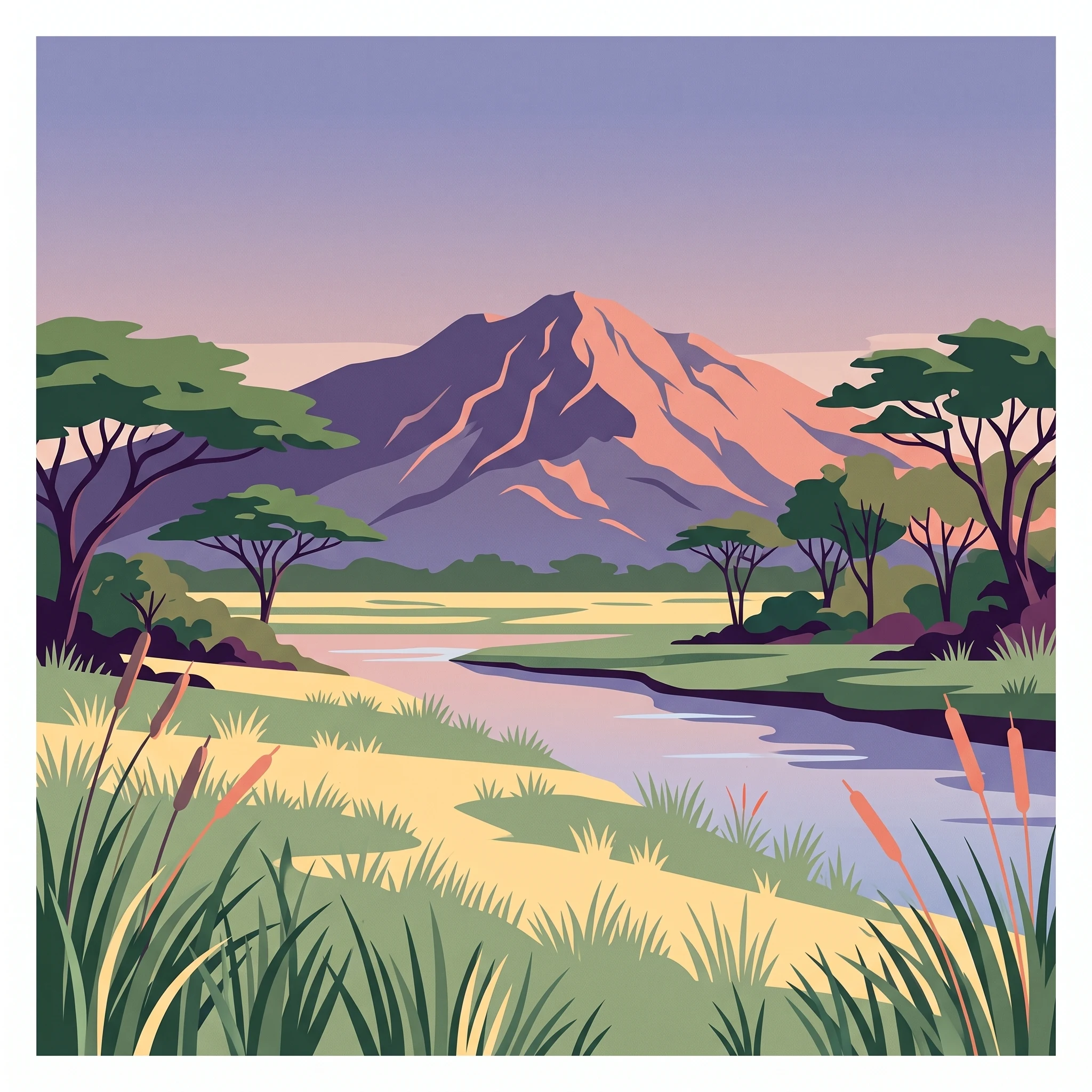
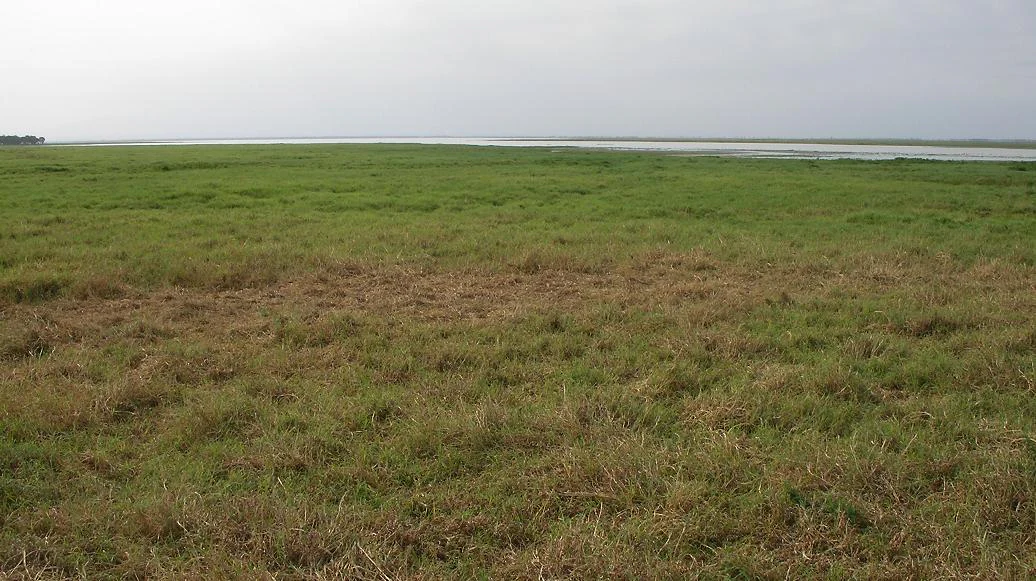
The physical landscape of Gorongosa National Park is defined by its position within the Great African Rift Valley system, a massive tectonic feature that has been forming for approximately 30 million years. The valley floor sits at low elevation, approximately 14 meters above sea level, while the surrounding terrain rises dramatically to the plateaus on either side and to Mount Gorongosa to the west. The landscape exhibits a remarkable diversity of landforms, from the flat, seasonally inundated floodplains around Lake Urema to the undulating terrain of the Cheringoma and Barue Plateaus. Limestone gorges cut into the plateaus, creating sheltered pockets where rainforests have developed. The valley's geology produces a mosaic of soil types that influences vegetation patterns across the park. The hydrological system centers on Lake Urema, a shallow body of water whose size fluctuates dramatically between wet and dry seasons, creating a constantly evolving landscape. Termite mounds are prominent features throughout the savanna, providing elevated terrain and shade for various wildlife species.
Gorongosa National Park ecosystems, habitats, and plant life
The ecological character of Gorongosa is defined by the interplay between its diverse habitats and the seasonal rhythms of water availability. Scientists have identified three primary vegetation types: savanna covering approximately 76 percent of the park, woodlands comprising about 14 percent, and grasslands making up the remainder. The savanna consists of grass and woody species adapted to well-drained soils, while the woodlands include various forest and thicket types. The grasslands occupy areas subjected to harsh seasonal conditions that prevent tree establishment. Following the civil war, tree cover throughout the park increased significantly, likely due to the dramatic decline of large herbivores that previously kept woody vegetation in check. Mount Gorongosa adds further ecological complexity with its rainforests, montane grasslands, riverine forests, and lower elevation savanna woodlands. The valley's hydrological cycle creates distinct seasonal patterns, with the floodplains expanding and contracting and supporting different wildlife communities throughout the year.
Gorongosa National Park wildlife and species highlights
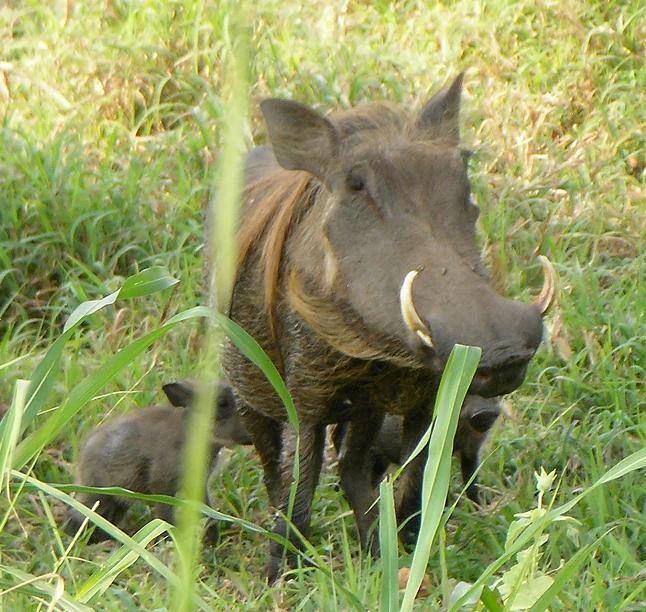
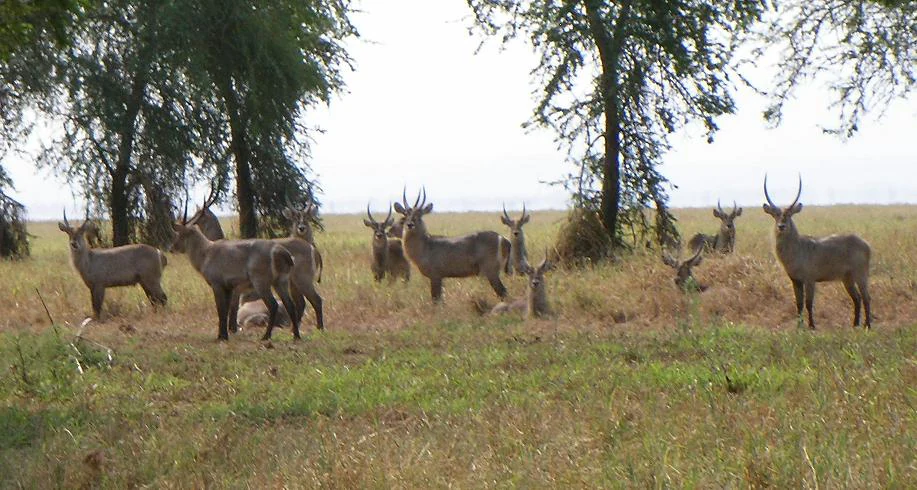
Gorongosa National Park was historically renowned for supporting some of the densest wildlife populations in Africa, including charismatic carnivores, large herbivores, and over 500 bird species. The pre-war aerial surveys documented substantial populations of lions, elephants, African buffalo, wildebeest, zebras, waterbuck, impala, hippos, eland, sable antelope, and hartebeest. The civil war devastated these populations, with some species driven locally extinct, including leopards, African wild dogs, and spotted hyenas. However, the post-war restoration has brought remarkable recovery. Leopards, absent from camera traps for 14 years, were recorded again in 2018 and reintroduction programs began in 2020. African wild dog packs from South Africa were reintroduced in 2018 and 2019, and spotted hyena reintroductions started in 2022. The park remains home to diverse wildlife including warthogs, Cape bushbuck, kudu, and numerous other species that have persisted or recovered in the decades since the conflict.
Gorongosa National Park conservation status and protection priorities
Gorongosa represents a significant conservation priority in southeastern Africa due to its unique combination of Rift Valley ecosystems and its role as a biodiversity corridor. The park's location at the southern end of the Great African Rift Valley places it within a biogeographically important zone. The partnership between the Mozambican Government and the Carr Foundation has made Gorongosa a model for post-conflict conservation, combining wildlife restoration with community development and sustainable ecotourism. The park's restoration has also demonstrated its value beyond biodiversity, with the protected wilderness area moderating water flow during extreme weather events such as Cyclone Idai in 2019, reducing flooding impacts on surrounding human communities. The inclusion of Mount Gorongosa within the park's boundaries in 2010 added important montane and rainforest habitat to the protected area, though this expansion has created ongoing tensions with long-term mountain residents.
Gorongosa National Park cultural meaning and human context
The Gorongosa region has a complex human history that intersects with its ecological narrative. The area was historically managed under Portuguese colonial administration through the Mozambique Company, which established the initial hunting reserve in 1920. Local communities have lived in and around the mountain for generations, and the 2010 expansion of the park to include Mount Gorongosa has created ongoing tensions between conservation objectives and resident livelihoods. The park's management strategy emphasizes developing ecotourism as a means of benefiting local communities, creating economic incentives for conservation among people who share the landscape with wildlife.
Top sights and standout views in Gorongosa National Park
The most compelling highlight of Gorongosa National Park is its extraordinary story of ecological recovery from near-total collapse during the Mozambican Civil War to a functioning ecosystem with growing wildlife populations. The park's habitat diversity, from valley floodplains to montane rainforests, supports a remarkable range of species within a single protected area. The reintroduction of apex predators including leopards, African wild dogs, and spotted hyenas has restored ecological balance. The dramatic seasonal transformation of the landscape, with Lake Urema expanding and contracting and floodplains inundating and drying, creates a dynamic visitor experience. The park also offers access to Mount Gorongosa, whose peaks and gorges contain forests found nowhere else in the region.
Best time to visit Gorongosa National Park
Gorongosa National Park can be visited throughout the year, though the experience varies significantly with the seasons. The dry season, from May to October, offers easier wildlife viewing as animals concentrate around remaining water sources and vegetation is less dense. The landscape during this period is more open and the floodplains recede, allowing access to areas that are underwater during the wet season. The wet season, from November to April, transforms the park with incoming waters and lush vegetation, creating different opportunities for birdwatching and experiencing the floodplain ecosystem at its most dynamic. The shoulder seasons of April and October often provide a balance between accessibility and seasonal character.